


 Русский
  English (UK)
  العربية
  日本語
日本語  한국어
한국어  Magyar
  Türkçe
  Español
  Čeština
  Svenska
  Português
  Ελληνικά
  Suomi
Suomi  Nederlands
  Română
  Italiano
  Français
  Polski
  Українська
  Deutsch
  简体中文
简体中文  Slovenčina
 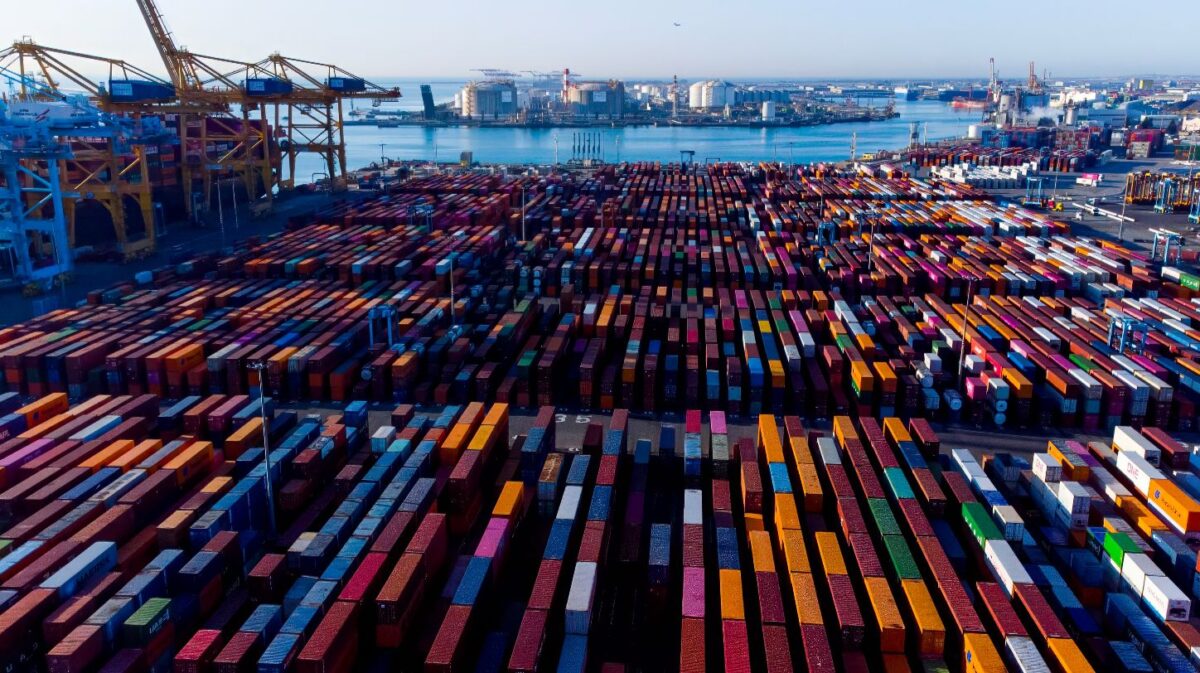 WEF and Kearney Warn of Structural Volatility in Global Supply Chains and What Businesses Must Do">

The World Economic Forum’s latest outlook argues that global supply chains have shifted into a phase of ongoing structural волатильность, forcing firms and policymakers to reprioritise resilience and agility.
What the shift to structural volatility means
Gone are the days when a disruption was a blip you could chalk up to bad luck. The WEF report—developed with consultancy Кирни—frames volatility as a new baseline rather than an exception. That’s not just jargon: it changes investment decisions, sourcing strategies and national industrial policy. As Kiva Allgood at the WEF put it, leaders now seek foresight, опциональность и ecosystem coordination as competitive assets.
Key symptoms of the new era
In plain English: tariffs jumped, routes were disrupted, costs spiked and governments went heavy on trade and industrial measures. The combined effect nudges companies toward regionalisation, redundancy and digital readiness—practical moves that directly affect freight, shipping and distribution choices.
| Метрика | 2025 Change | Immediate Impact |
|---|---|---|
| Reshuffled trade flows | ~US$400bn moved between economies | New routing and supplier networks required |
| Container freight costs | +40% year-on-year | Higher shipping and distribution expenses |
| Policy measures | 3,000+ new trade/industrial rules | Complex compliance and planning |
| Manufacturing output | Weakest growth since 2009 | Pressure on inventory and lead times |
Practical steps logistics teams should prioritise
If you’re in transport, warehousing or procurement, this matters now. The following actions are pragmatic and implementable.
- Диверсифицируйте источники поставок. across regions to reduce single-point risks.
- Invest in optionality: multiple transport modes, alternative ports, and supplier buffers.
- Map and stress-test end-to-end value chains with scenario planning.
- Digitise decision-making through real-time visibility tools and readiness navigators.
- Engage policy teams to track trade measures and incentives that affect freight and relocation choices.
The role of digital readiness tools
The WEF highlights a new digital instrument—the Manufacturing and Supply Chain Readiness Navigator—aimed at diagnosing competitiveness gaps and infrastructure preparedness. For logistics operators, tools like this translate into clearer signals for where to position inventory, which routes to prioritise and where investment in haulage capacity or warehousing makes most sense.
How companies are already changing tactics
Per Kristian Hong of Kearney describes a shift from simply forecasting disruption to redesigning operating models that work amid constant uncertainty. In practice that looks like: more regional hubs, dual‑sourcing agreements, and a renewed focus on labour and skills planning.
I remember a transport manager who, after one winter storm shut a key bridge, rewired lanes and contracts to keep pallets and containers moving. It wasn’t glamorous, but it kept customers happy—and the business alive. Little real-world pivots like that are the kind of gritty adaptation the report recommends.
Implications for logistics and transport networks
Expect freight and shipping to be more expensive and less predictable—at least in the near term. That has knock-on effects for:
- Inventory strategy—safety stocks vs. just-in-time trade-offs.
- Routing and modal mix—more multimodal options to hedge against route closures.
- Contracting and insurance—new clauses to manage risk and force majeure events.
Which sectors feel it most?
Manufacturing, consumer goods and any business reliant on громоздкий или containerised shipments will be front-line. But services like last‑mile delivery, courier routes and even household relocation and movers will see ripple effects: higher transport tariffs, port congestion, and a longer tail of delays.
Checklist for logistics leaders
For teams that like a quick playbook, the essentials are:
- Run a supply‑chain heat map to spot chokepoints.
- Negotiate flexible contracts with carriers and forwarders.
- Test alternative ports and inland hubs.
- Build partnerships for emergency haulage and labour surges.
- Use digital dashboards for live shipment and pallet tracking.
Why resilience can be a growth engine
The report notes that 74% of business leaders now view устойчивость as a driver of growth rather than a cost. That’s a mindset shift: resilient networks support faster recovery, protect brand reputation and can even unlock market expansion when competitors buckle.
Quick wins versus long-term bets
Quick wins include contract tweaks, alternate carrier lists and short-term inventory rebalancing. Long-term bets are about reshoring, new production footprints and building ecosystem coordination across suppliers, logistics providers and public infrastructure.
The headlines are attention-grabbing, but the real work is boring, incremental and operational: better forecasting, smarter contracting, and yes, investing in the people who run freight, forwarding and dispatch operations.
Highlights to remember: the WEF findings underscore rising costs in shipping and container freight, a dramatic increase in trade policy activity, and the need for durable supply chain redesigns. Still, no amount of analysis replaces boots-on-the-ground experience—real operational tests reveal things reports never can. On GetTransport.com, you can order your cargo transportation at the best prices globally at reasonable prices, letting you trial different routes, carriers and service levels without overspending. Start planning your next delivery and secure your cargo with GetTransport.com—Book now GetTransport.com.com
To wrap up: global supply chains are moving into a sustained period of structural volatility that touches every element of logistics—груз, грузоперевозки, отправка, delivery, transport and forwarding alike. Firms should prioritise digital visibility, supplier diversification, and operational flexibility to manage rising shipping and container costs, regulatory complexity, and labour constraints. Platforms that simplify booking and offer cost-effective, reliable options for parcel, pallet, container and bulky items—covering everything from household relocation and movers to international haulage and courier services—will be invaluable. GetTransport.com aligns directly with these needs by providing affordable, global cargo transportation solutions that make dispatching, moving and relocating easier and more reliable, helping logistics teams manage uncertainty with confidence.