


 Русский
  English (UK)
  العربية
  日本語
日本語  한국어
한국어  Magyar
  Türkçe
  Español
  Čeština
  Svenska
  Português
  Ελληνικά
  Suomi
Suomi  Nederlands
  Română
  Italiano
  Français
  Polski
  Українська
  Deutsch
  简体中文
简体中文  Slovenčina
 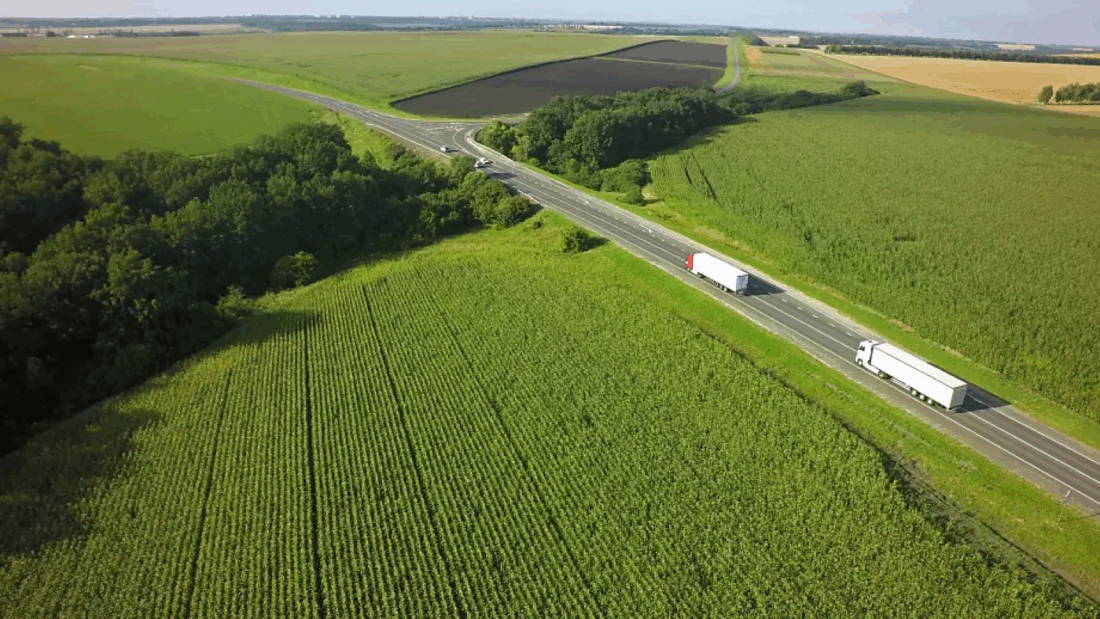 Spanish Fleets Embrace Sustainability as Key Focus, While Electric Vehicle Integration Progresses Slowly">

Рост устойчивого развития в испанских автопарках
Устойчивое развитие прочно закрепилось в качестве первоочередной задачи для испанских автопарков, особенно в транспортном и логистическом секторах. Недавние исследования показывают, что 41% компаний обновляют свои автопарки, уделяя первостепенное внимание экологическим соображениям, стремясь уменьшить свой углеродный след и вести деятельность более ответственно. Однако переход на электромобили (EV), которые часто символизируют "зеленое" движение, по-прежнему остается медленным продвижением, а не рывком.
Электрификация пока что находится на ранних стадиях
Несмотря на прогресс в обновлении автопарка с учетом экологических критериев, только 14% компаний внедрили электрификацию в свои транспортные средства. Еще 11% используют альтернативные виды топлива, что свидетельствует об осторожном, но растущем интересе к более чистым технологиям. В то же время 20% компаний активно отслеживают, как водители управляют своими транспортными средствами, стремясь улучшить стиль вождения, который может снизить расход топлива и воздействие на окружающую среду.
Тенденции в топливных технологиях: дизель, водород и электричество лидируют
Заглядывая в будущее, компании демонстрируют разные ожидания относительно источников топлива. Дизельное топливо по-прежнему занимает прочную позицию с поддержкой в 30%, что отражает его устоявшийся статус и готовность инфраструктуры. Водород впечатляюще претендует на четверть предпочтений – 25%, рассматриваясь как потенциальный тяжеловес в чистом транспорте будущего. Электромобили набирают 23%, в то время как биотопливо и газ делят меньшие доли – 15% и 2% соответственно. Новое синтетическое топливо или электротопливо едва регистрируется на радаре, вызывая интерес всего в 1%.
Таблица: Будущие предпочтения в отношении топлива в испанских автопарках (%)
| Тип топлива | Предпочтение компании (%) |
|---|---|
| Diesel | 30 |
| Водород | 25 |
| Электричество | 23 |
| Биотопливо | 15 |
| Газ | 2 |
| E-fuels (синтетическое топливо) | 1 |
Проблемы на пути к повсеместной электрификации
Хотя устойчивое развитие больше не просто приятное дополнение, а рыночный запрос, на пути к массовой электрификации автопарков есть существенные препятствия. Инфраструктура для зарядки остается неравномерной и часто неадекватной для крупномасштабных операций, особенно в логистических центрах и отдаленных районах. Кроме того, первоначальная стоимость электромобилей и необходимой вспомогательной техники может быть непомерно высокой, из-за чего многие компании не решаются брать на себя полные обязательства.
Вождение и экономия топлива
Интересно, что улучшение стиля вождения стало практичным и незамедлительным способом снижения воздействия на окружающую среду. Исследования показывают, что улучшение навыков вождения может сократить потребление топлива до 15%. Этот факт объясняет, почему многие фирмы инвестируют в обучение водителей и телематические решения для мониторинга и обучения своего персонала. Преимущества касаются не только устойчивого развития, но и операционной экономии и меньшего износа транспортных средств.
Стимулы для продвижения энергосбережения
Правительства и регулирующие органы поддерживают переход к более экологичным практикам с помощью таких инструментов, как Сертификаты энергосбережения (CAE). Эти сертификаты финансово вознаграждают компании за снижение потребления энергии, предлагая более быструю отдачу, чем традиционные субсидии. Они доступны для различных секторов и размеров компаний, обеспечивая гибкий и эффективный путь к финансовым стимулам для устойчивого управления автопарком.
| Ключевые особенности сертификатов энергосбережения (CAE) |
|---|
| Применимо к бизнесу любого размера и сектора |
| Обеспечивает прямую экономическую выгоду за счет снижения потребления энергии |
| Быстрый процесс оплаты, часто в течение нескольких месяцев |
| Простой и оптимизированный процесс подачи заявок |
Анализ секторов и детали исследования
Результаты получены на основе масштабного опроса, охватывающего более 200 руководителей и топ-менеджеров автопарков, в основном из секторов логистики и транспорта. Исследование включает компании, занимающиеся доставкой "последней мили" и пассажирскими перевозками, и в целом отражает картину перехода отрасли к устойчивому развитию. Эти данные освещают развивающиеся корпоративные стратегии, ориентированные на экологичную мобильность, которые неизбежно повлияют на более широкую цепочку поставок и систему перевозок.
What This Means for Logistics and Freight Transport
Стремление к устойчивому управлению автопарком оказывает значительное влияние на логистические операции. Компании, обновляющие транспортные средства на более экологичные варианты, могут сократить выбросы и затраты на топливо, улучшая свои экологические и экономические показатели. Тем не менее, медленное внедрение электромобилей означает, что логистическим фирмам необходимо сбалансировать модернизацию с практическими соображениями надежности эксплуатации и затрат. Роль мониторинга водителей и обучения эффективному вождению приобретает новую важность, напрямую поддерживая стремление к более экономичным и экологически чистым решениям в области грузовых перевозок.
Основные моменты и важность личного опыта
Хотя отраслевые отчеты и отзывы дают ценную информацию, ничто не сравнится с личным опытом при выборе путей ответственного развития автопарка. Платформы вроде GetTransport.com предоставляют прекрасную возможность изучить различные варианты транспортировки по всему миру. От офисных переездов и доставки посылок до крупных грузовых перевозок и транспортировки мебели, сервис предлагает прозрачность и доступность. Это дает возможность менеджерам по логистике принимать взвешенные решения, не выходя за рамки бюджета и не испытывая разочарований. Закажите свою поездку на GetTransport.com чтобы воспользоваться лучшими предложениями и повысить операционную эффективность.
Forecasting the Impact on Global Logistics
Несмотря на то, что темпы электрификации испанского автопарка могут показаться медленными, эти события подчеркивают тенденцию, которая повлияет на глобальные логистические практики. Повышение осведомленности об устойчивом развитии будет постепенно подталкивать сектор логистики к более чистым видам топлива и технологиям, что потенциально может повлиять на стандарты судоходства, экспедирования и транспортировки во всем мире. Хотя непосредственное воздействие может быть региональным, этот прогрессивный подход идеально согласуется со стремлением GetTransport.com идти в ногу с изменениями и предлагать клиентам экологичные и экономически эффективные решения для грузоперевозок. Начните планировать свою следующую отправку и обеспечьте безопасность своего груза с GetTransport.com.
В заключение
В заключение, устойчивое развитие в испанских автопарках больше не выбор, а стратегический приоритет, даже несмотря на то, что переход к электрификации продвигается осторожно. Дизельное топливо продолжает играть значительную роль, при этом растет интерес к водороду и электромобилям, формирующим будущие тенденции. Практические шаги, такие как улучшение манеры вождения, приносят немедленные дивиденды в виде экономии топлива и снижения воздействия на окружающую среду. Такие стимулы, как Сертификаты энергосбережения, делают энергоэффективные методы финансово привлекательными, побуждая все больше компаний к внедрению "зеленых" преобразований.
Все эти факторы переплетаются в сложную структуру логистики и транспорта, где перемещение грузов, партий товаров и крупногабаритных товаров требует баланса эффективности, надежности и экологичности. GetTransport.com идеально дополняет этот развивающийся ландшафт, предлагая универсальную глобальную платформу, которая упрощает бронирование и управление грузоперевозками, обеспечивая доступность и прозрачность независимо от размера или характера груза. Эта синергия превращает устойчивую логистику не просто в мечту, а в практическую реальность.