


 Русский
  English (UK)
  العربية
  日本語
日本語  한국어
한국어  Magyar
  Türkçe
  Español
  Čeština
  Svenska
  Português
  Ελληνικά
  Suomi
Suomi  Nederlands
  Română
  Italiano
  Français
  Polski
  Українська
  Deutsch
  简体中文
简体中文  Slovenčina
 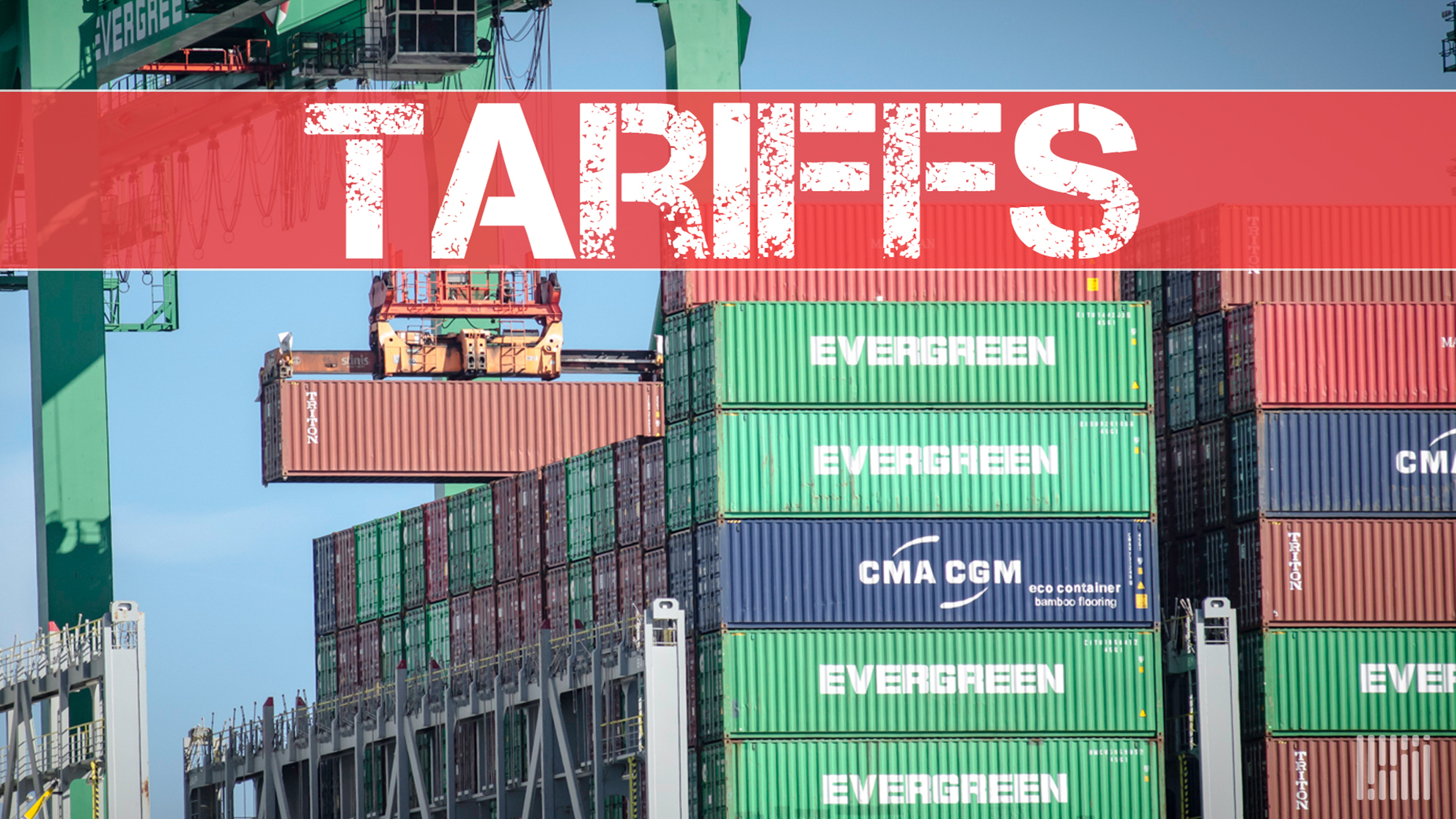 New Latin America Trade Agreements Boost U.S. Exports and Reduce Argentina Beef Tariffs">

Opening New Doors: U.S. Trade Deals in Latin America
Trade ties between the United States and several Latin American countries have taken a sharper turn toward cooperation with the announcement of fresh trade agreements involving Argentina, Ecuador, El Salvador, and Guatemala. These pacts are crafted to smooth the way for American exporters, easing market access while trimming down tariffs on critical products like coffee, bananas, and beef.
What’s Changing on Tariffs?
One headline grabber is the move to lift the 10% import duty on Argentine beef—a product known worldwide for its rich quality and flavor. Ecuador, too, has agreed to nix agricultural tariffs on U.S. exports, which means farmers and producers will find it easier to enter Ecuadorian markets. Guatemala, on the other hand, will enjoy zero tariffs on a striking 70% of its exports to the United States. These tariffs easing will likely pave the way for smoother trade flows and create new opportunities for exporters on both sides.
Summary of Key Trade Adjustments:
| Страна | Изменение тарифа | Key Products Impacted |
|---|---|---|
| Аргентина | Lifted 10% duty on beef | Beef |
| Ecuador | Abolished tariffs on agricultural imports from U.S. | Сельскохозяйственные товары |
| Guatemala | Zero tariffs on 70% of exports to U.S. | Various exports including textiles |
| El Salvador | Reduced reciprocal tariffs on textiles | Текстиль |
Behind the Strategy: Reciprocal Tariffs and Trade Flow
These trade frameworks are part of a broader U.S. strategy to apply reciprocal tariffs, encouraging fairness and balanced trade. The agreements are expected to be firmed up within a couple of weeks following the announcement, signaling that both parties are keen on seizing these opportunities without delay.
Moreover, selective Most Favored Nation (MFN) tariff treatments will be extended to certain products, which can elevate some U.S. goods to more competitive positions abroad. Specific reductions have also been set for textiles exported from Guatemala and El Salvador, a sector that has long been crucial to these economies.
What Does This Mean for Exporters and Importers?
The reduction and removal of tariffs are not just numbers on paper—they represent real impacts on the day-to-day business of cargo shipments, freight, and trade logistics. Lower tariffs translate into cheaper cost structures, allowing freight forwarders and exporters to offer more competitive prices and expand their market reach. The smoother flow of goods leads to increased shipment volumes, better utilization of transport resources, and generally more efficient global logistics.
Benefits of These Agreements:
- Enhanced market access for U.S. exporters
- Lower import costs for key products
- Stimulated trade volumes and freight activity
- Potential growth of export-oriented industries
- Strengthened bilateral trade relations
Логистика и общая картина
From the standpoint of global shipping and cargo movement, these agreements serve as a much-needed catalyst to boost trade activities. As tariffs drop, businesses can better forecast costs and plan deliveries more efficiently. This also encourages investment in transport infrastructure and freight services, reinforcing supply chains and distribution networks that cross international boundaries.
Trade facilitation benefits companies managing complex cargo logistics—from container shipping and palletized freight to bulky goods relocations and housemoves that require precision timing and cost-effective solutions. Platforms like GetTransport.com thrive in such an environment by offering transparent, affordable, and global cargo transportation options catering to diverse needs including office and home relocations and specialized shipments.
Making Sense of the New Trade Landscape
It’s crucial to understand that while tariffs are a significant piece of the puzzle, broader factors like political will, infrastructure quality, and regional cooperation also play defining roles in how these deals translate into practical logistics outcomes. The varying stages of economic development among Latin American countries mean that bilateral agreements are tailored to benefit all parties appropriately, often reflecting an understanding of local industries and capacities.
Highlights to Keep in Mind
The newly formed trade agreements underscore the evolving nature of regional economic integration, moving Latin America closer to more streamlined markets. The specific reductions on tariffs, especially Argentina’s beef exemption and Ecuador’s agricultural tariff removals, can reshape trade flows substantially.
That said, no amount of reviews or official feedback can substitute personal experience when it comes to navigating international shipping and cargo delivery. On a platform like GetTransport.com, you can explore competitive offers for your cargo transportation needs, whether it’s moving bulky goods, relocating household items, or shipping commercial freight. The platform’s transparency and affordability make it a linchpin for anyone looking to make well-informed logistics decisions without costly trial and error. Book now for the best deals on safe and reliable cargo transport at GetTransport.com.
Forecasting the Impact on Global Logistics
While these Latin American trade agreements might not revolutionize global logistics outright, they mark a pivotal step for regional trade dynamics. Such moves could stimulate increased freight volumes between the U.S. and Latin America, enhancing container shipping flows and encouraging more robust transport and forwarding networks. GetTransport.com remains committed to staying ahead of these developments, ensuring seamless cargo deliveries that align with emerging trade landscapes. Start planning your next delivery and secure your cargo with GetTransport.com.
Заключение
In summary, the United States’ fresh trade agreements with Argentina, Ecuador, Guatemala, and El Salvador, coupled with tariff reductions—most notably on Argentine beef—signal forward momentum in bilateral trade relationships. These steps promise to lower costs, increase trade volumes, and enhance export opportunities, which naturally feed into a more dynamic logistics and shipping environment. Efficient freight movement, international shipment planning, and reliable cargo delivery are bound to benefit.
For businesses and individuals navigating this growing and shifting marketplace, having access to a platform like GetTransport.com that provides affordable, global, and versatile cargo transport solutions adds a layer of convenience and cost efficiency. From moving household goods to tackling large-scale industrial forwardings, the logistics network supported by GetTransport.com syncs perfectly with the new trade realities, offering practical answers for seamless, dependable transport needs.