


 Русский
  English (UK)
  العربية
  日本語
日本語  한국어
한국어  Magyar
  Türkçe
  Español
  Čeština
  Svenska
  Português
  Ελληνικά
  Suomi
Suomi  Nederlands
  Română
  Italiano
  Français
  Polski
  Українська
  Deutsch
  简体中文
简体中文  Slovenčina
 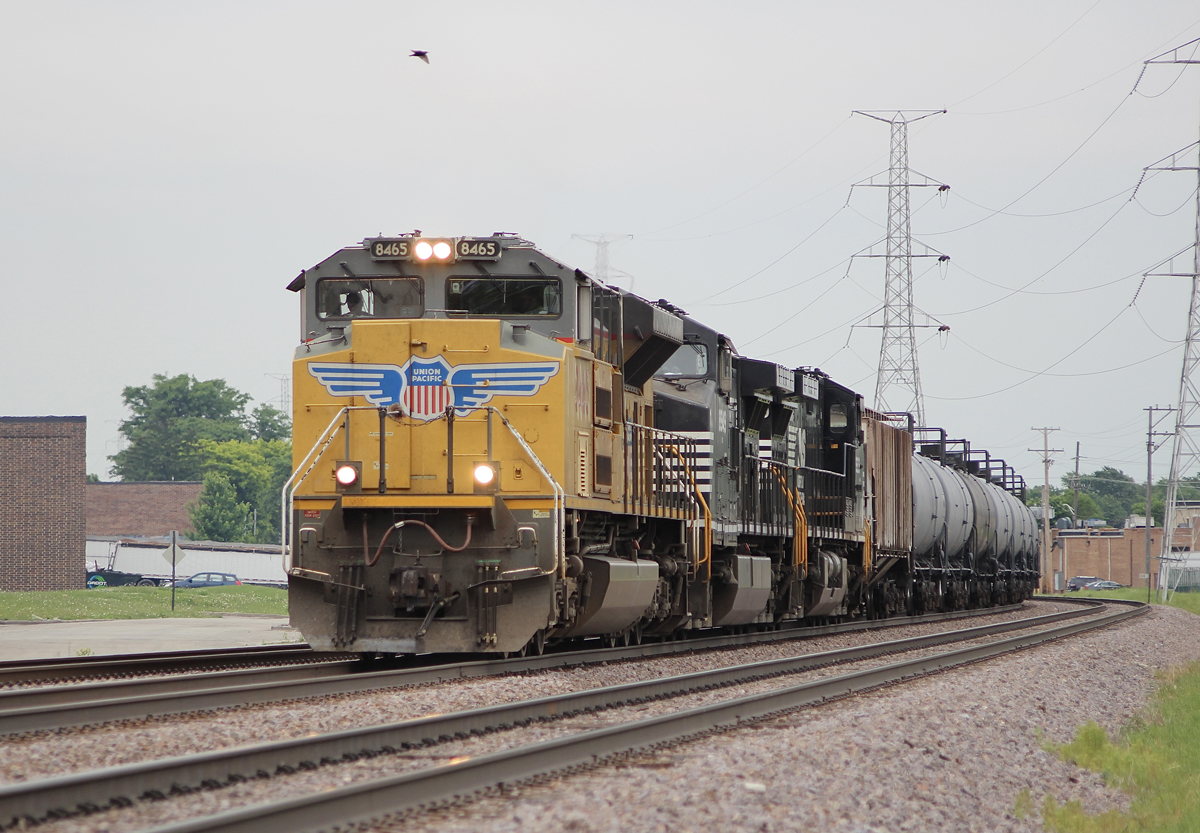 Как слияние Union Pacific и Norfolk Southern может перекроить железнодорожные грузоперевозки и его более широкие последствия">

The Stakes Behind the Union Pacific-Norfolk Southern Rail Merger
The proposed merger between two freight giants, Union Pacific and Norfolk Southern, stands at the crossroads of fierce debate. This union aims to create the first coast-to-coast freight-only rail network in the U.S., sprawling over 53,000 miles of track across 43 states. While some hail it as a logistical breakthrough, others raise red flags about competition, pricing, and service quality.
Concerns from State Authorities on Financial and Security Fronts
Attorneys General from nine states, including Florida, Iowa, and Ohio, have voiced deep reservations concerning the deal. Their collective warning touches on potential risks attached to market concentration, which could lead to monopolistic dominance, raising freight costs and lowering service reliability. Such developments threaten the vitality of critical supply chains, particularly in manufacturing and agriculture sectors.
Key worries include the possibility of curtailed innovation due to reduced competitive pressure, a dialed-up cost of internal shipping undermining the competitiveness of American producers, and a broader economic ripple effect that extends from industrial bases to consumers.
Последствия для грузоперевозок и логистики
The rail industry plays a pivotal role in the flow of goods — from raw materials to finished products — across regional and international supply chains. Enhanced market concentration through mergers can reshape logistics by affecting freight rates, service reliability, and route accessibility.
With the merger poised to consolidate significant rail capacity, there’s concern that some shippers might face higher expenses or diminished service, particularly industries reliant on chemical manufacturing, energy production, and agricultural outputs. This, in turn, could reverberate through the supply chain, impacting distribution networks, delivery schedules, and ultimately costs for consumers nationwide.
Table: Advantages vs Risks of the Union Pacific and Norfolk Southern Merger
| Преимущества | Risks |
|---|---|
| First coast-to-coast freight-only rail network improving connectivity | Potential for monopolistic control reducing competition |
| Streamlined operations and economies of scale boosting efficiency | Higher freight rates impacting manufacturers and agricultural producers |
| Improved job security through union agreements post-merger | Risk of service disruptions or degraded reliability affecting supply chains |
| Backed by major shareholders and some industry unions | Possible throttling of innovation due to market dominance |
Regulatory Oversight: A ‘Thorough and Exacting’ Review
Regulators, particularly the Surface Transportation Board (STB), have been urged to apply a high standard of scrutiny. The board’s own guidelines emphasize that mergers should only proceed if demonstrated benefits such as improved service and safety meaningfully outweigh anti-competitive risks and potential disruptions.
The lawyers’ collective stance is clear: without proving substantial public benefits, the merger risks compromising not just market balance but also the broader economic interests tied to freight transport reliability and affordability.
Industry and Stakeholder Reactions
While thousands of shippers, notably from the petrochemical industry, oppose the merger fearing cost hikes and service drops, some major intermodal and freight service players back the union. Additionally, investors in both companies have largely given their thumbs-up to the $85 billion deal, reflecting confidence in its long-term value creation.
What This Means for the Logistics Sector
At its core, logistics thrives on reliability, flexibility, and competitive pricing. Major rail carriers form the backbone of the supply network, linking production hubs with distribution centers and ports. Any shift in this ecosystem—especially from consolidation—can ripple across freight rates, schedule adherence, and capacity planning.
Potential Effects on Freight, Haulage, and Supply Chains
- Cost Impacts: Increased rail rates might push up expenses for transporters and subsequently for end-users.
- Качество обслуживания: Reduced competition can lead to less incentive for timely delivery, affecting perishable and time-sensitive cargo.
- Инновации: Lack of market rivalry could slow investments in technology and operational improvements crucial for modern logistics.
- Network Reach: Consolidated routes might offer extensive coverage but could also result in service downgrades in less profitable or rural areas.
Logistics Strategy with Mergers Shaping Transport
Companies that rely on rail freight for distribution—whether moving pallets, containers, bulky goods, or performing house moves and vehicle transport—need to stay alert. Adjusting strategies to incorporate potential cost increases or service shifts is critical. This is where flexible, affordable shipping platforms like GetTransport.com come in, offering global solutions that adapt dynamically to changing freight landscapes.
Shipping Types Affected
- Large-scale cargo and freight shipments
- Intermodal freight combining rail and road haulage
- Bulk and heavy equipment transport
- Relocation services including house moves and vehicle transport
Looking Ahead: Experience vs Reviews in Choosing Carriers
Despite all the industry chatter and formal feedback, nothing beats first-hand experience. Reading reviews and expert analysis sets the stage, but trusting reliable, transparent platforms offers immediate, actionable value. GetTransport.com stands out by providing affordable cargo transportation options worldwide, combining convenience with competitive pricing and a broad selection of transport modes.
By leveraging such services, shippers can dodge unexpected costs and disruptions that might arise from railroad consolidation. This ensures smooth freight delivery whether you’re moving office equipment, bulky furniture, or shipping parcels across borders.
Забронировать сейчас на GetTransport.com to experience the ease and reliability of expert freight and cargo transportation tailored to your needs.
The Broader Picture: Merger Impact and Industry Adaptations
While the merger’s direct impact on global logistics might be moderate, given its primarily national focus, it highlights crucial trends in transportation consolidation and market power. Keeping pace with such developments is critical for platforms like GetTransport.com, which remain committed to offering adaptive, cost-effective solutions regardless of shifts in traditional freight landscapes.
Summary of Key Points:
- The proposed merger between Union Pacific and Norfolk Southern aims to unify a massive rail freight network covering 43 states and 53,000 miles of track.
- Significant concerns exist about increased market concentration causing higher costs, reduced innovation, and diminished service reliability affecting industries and consumers alike.
- Regulatory bodies face the challenge of balancing efficiency gains against potential anti-competitive harms through rigorous review.
- Logistics providers and shippers must adapt strategies to navigate potential upheavals in freight pricing and availability.
- Platforms like GetTransport.com provide flexible, affordable alternatives that ease the burden of transport disruptions caused by industry consolidation.
In conclusion, the merger’s potential to reshape freight transport networks underscores the importance of reliable, transparent shipping solutions. For all types of cargo—be it bulky goods, pallets, house moves, or international shipments—leveraging the global reach and competitive edge of services like GetTransport.com ensures your freight moves efficiently with peace of mind.