


 Русский
  English (UK)
  العربية
  日本語
日本語  한국어
한국어  Magyar
  Türkçe
  Español
  Čeština
  Svenska
  Português
  Ελληνικά
  Suomi
Suomi  Nederlands
  Română
  Italiano
  Français
  Polski
  Українська
  Deutsch
  简体中文
简体中文  Slovenčina
 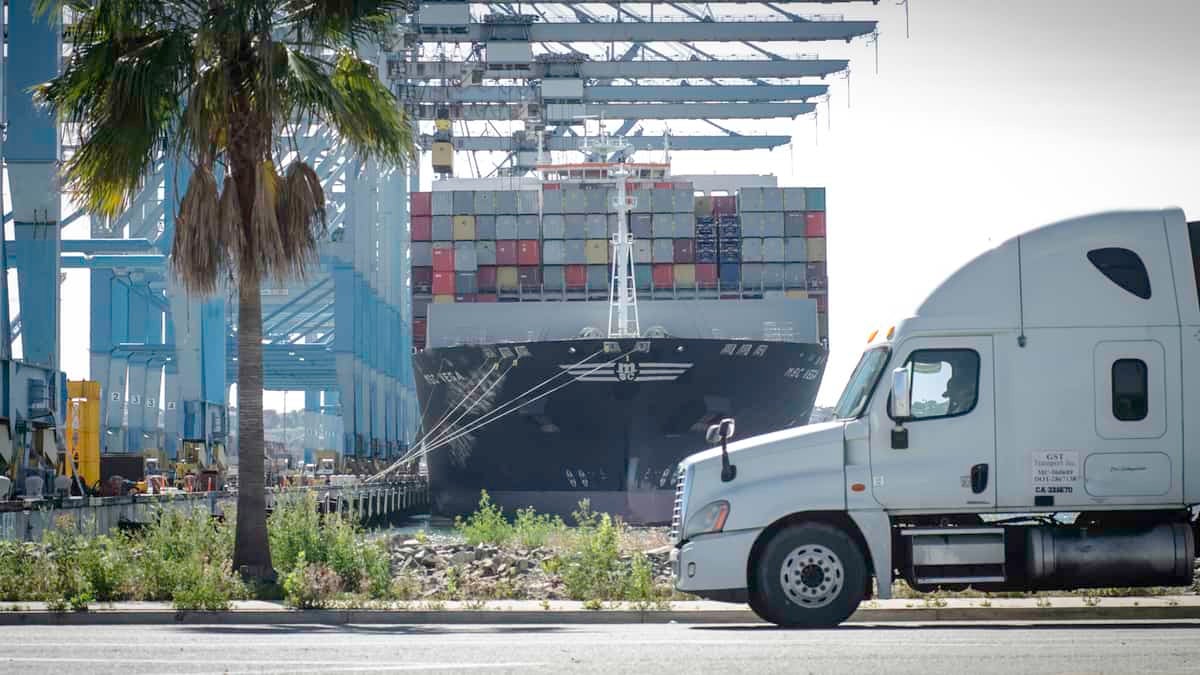 Challenges Ahead: Trucking Exodus and the Future of U.S. Ocean Logistics">

Stable but Changing U.S. Ocean Container Operations
Recent trends in international ocean container volumes indicate a calming of operations at U.S. ports and rail ramps, with current activities running near normal levels. However, a looming shift by 2026 signals significant alterations in the logistics landscape, particularly concerning trucking capacity that could ripple through the entire supply chain.
Current State: Normal Volume, Normal Operations
The steady decline in container volumes has temporarily eased congestion and operational pressures across major U.S. ports on the west, east, and Gulf coasts. Rail ramp operations, both domestic and international, also reflect these stabilized conditions. While the status quo holds for now, the situation sets the stage for upcoming challenges that industry players and shippers need to be mindful of.
Trucking Industry Exodus: A Brewing Storm
Driving the anticipated shakeup in ocean logistics is an accelerating departure of trucking companies from the market. The ongoing freight recession has hammered rates, while rising operational costs have pushed multiple trucking firms to shut down or declare bankruptcy. This erosion of trucking capacity creates a precarious scenario for shippers who rely heavily on road transport for first and last-mile delivery.
Federal Actions Intensify Capacity Concerns
Adding to the industry’s woes is a federal move to enforce regulations that could remove up to 600,000 Commercial Drivers License (CDL) holders who are non-domiciled or fail English language proficiency requirements. This enforcement effort further threatens the already declining driver pool, potentially causing severe disruptions in trucking availability nationwide.
Potential Ripple Effects on Port and Ramp Operations
The combined effects of dropping container volumes, shrinking trucking fleets, and regulatory crackdowns set the stage for a transformative change in how North American ports and rail ramps handle cargo. Without sufficient trucking capacity, bottlenecks could return or even worsen, impacting freight throughput, increasing dwell times, and complicating logistics planning.
Signs of Proactive Adaptation: Pacific Coast Activity Rises
Interestingly, data from November reveals a “significant spike” in trucking movement along the Pacific Coast compared to October. This suggests that some shippers, likely anticipating the capacity crunch, are taking early action to secure trucking resources and mitigate risks ahead of 2026. It may be a sign that the market is gearing up to adapt, but whether this is sustainable remains to be seen.
Table: Factors Influencing U.S. Ocean Logistics Stability
| Фактор | Текущее воздействие | Будущие последствия |
|---|---|---|
| International Container Volumes | Decreasing, easing current congestion | Potential rebound or seasonal fluxes could strain capacity |
| Trucking Company Market Exit | Accelerating, reducing available capacity | Threatens to create severe trucking shortages |
| Federal CDL Regulations | Enforcement underway, removing drivers | Estimated 600,000 drivers may be lost, amplifying capacity issues |
| Pacific Coast Trucking Activity | Recent spike in activity | May represent early risk mitigation efforts by shippers |
Logistics Under Pressure: What This Means for Freight Moving Forward
With trucking capacity under threat, the fragile balance of intermodal transportation faces stress. Trucks are pivotal for connecting oceanside ports to inland distribution centers—without sufficient drivers and fleets, this vital link could falter. Longer container dwell times at ports could lead to cascading delays, higher storage costs, and eventually increased freight rates.
It’s a classic case of “the straw that breaks the camel’s back,” where one segment of logistics — here, trucking — could impact the entire chain from vessel unloading to final delivery. For industries dependent on just-in-time shipping, these looming constraints might mean revisiting warehouse stock strategies and shipment scheduling.
Key Challenges for Logistics and Freight Forwarders
- Capacity Uncertainty: Predicting available trucking capacity during upcoming years becomes tricky, complicating freight planning.
- Cost Volatility: A shortage of truckers often drives up freight hauling costs, affecting the bottom line for shippers and consumers alike.
- Операционные узкие места: Reduced trucking fleets may lead to congestion at ports and rail ramps, increasing turnaround times.
- Соответствие нормативным требованиям: New federal mandates require strict adherence, potentially limiting the labor pool further.
How Logistics Providers Can Prepare
Networking with diverse carriers, investing in multi-modal shipping options, and utilizing dynamic freight platforms to source transport quickly can help mitigate risks. Services like GetTransport.com offer affordable, global freight transportation solutions that are agile enough to handle shifts in capacity—whether moving office belongings, bulky furniture, vehicles, or other cargo across borders or domestically.
The Bottom Line: A Complex Picture Needing Vigilance and Adaptability
The trucking exodus within the U.S. ocean logistics ecosystem is shaping up to be a major disruptive factor by 2026. While container volumes have somewhat stabilized operations for now, the dwindling number of truckers combined with regulatory headwinds could hamper port efficiency and freight flow drastically. The recent uptick in Pacific Coast trucking activity may hint at early efforts by shippers to brace for impact, yet the situation demands close monitoring and proactive response from all logistics stakeholders.
Why Real-World Experience Trumps Forecasts
Forecasts and expert reviews are valuable, but nothing beats firsthand experience when it comes to logistics reliability. Platforms like GetTransport.com empower shippers to directly tap into a vast network of carriers, accessing competitively priced cargo transport worldwide. This transparency and convenience let shippers sidestep unnecessary costs and surprises — ultimately facilitating smarter decisions in a market that’s anything but predictable. Book your ride now and experience how smooth freight moving can be with the right partner at your side: GetTransport.com.
Looking Ahead: Logistics in a Changing Landscape
Globally, these U.S.-focused trucking challenges might seem localized, but they echo common themes in modern logistics—capacity constraints, regulatory shifts, and economic pressures. At GetTransport.com, staying ahead of such developments is paramount to ensuring uninterrupted service for cargo and freight delivery needs.
Planning ahead has never been more crucial. Securing reliable transport in advance can prevent costly delays and logistic headaches. Start planning your next delivery and secure your cargo with GetTransport.com.
Резюме
The interplay between declining ocean container volumes and an exodus of trucking companies is reshaping the future of U.S. ocean logistics. Federal regulations threaten to further reduce driver availability, potentially triggering capacity shortages and port operational bottlenecks. Recent signs of increased trucking on the Pacific Coast may signal early proactive strategies by shippers. For freight and logistics sectors, adapting to these changes involves embracing flexible transport options and leveraging global platforms to source reliable trucking and cargo forwarding solutions. GetTransport.com stands ready as a cost-effective, transparent platform facilitating efficient moving, distribution, and shipping of varied cargo worldwide, streamlining logistics in an evolving landscape.