


 Slovenčina
  English (UK)
  Русский
  العربية
  日本語
日本語  한국어
한국어  Magyar
  Türkçe
  Español
  Čeština
  Svenska
  Português
  Ελληνικά
  Suomi
Suomi  Nederlands
  Română
  Italiano
  Français
  Polski
  Українська
  Deutsch
  简体中文
简体中文 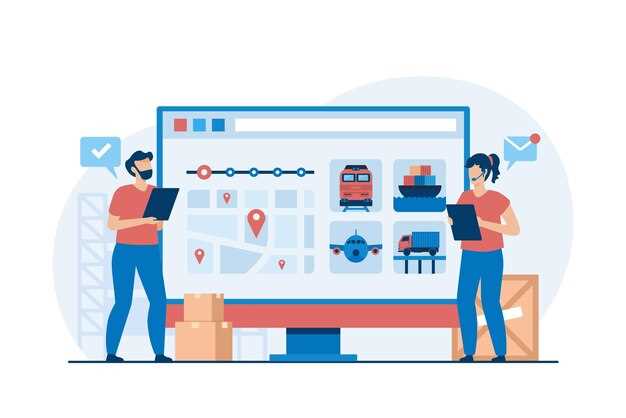 4 Key Features Every Last-Mile Delivery Management Software Must Have">

Choosing real-time routing with traffic-aware dispatch will immediately reduce miles and idle time, boosting productivity. In a case with a 150-vehicle fleet, this approach minimizes idle time by 15–20% and cuts miles by 12–18% in the first three months; after that, benefits compound as routes stabilize. That would take a controlled pilot on a subset of routes, then expand across the network into the broader program to confirm the gains already recorded in similar operations.
End-to-end visibility built on recorded events, GPS traces, and live ETA updates lets you meet windows and reduces inquiries. In case studies, brands report a 20–30% drop in missed ETAs and a 25–40% decrease in status inquiries after adopting this layer. When choosing among systems, look for API access, event-level data, and a portable feed that can be integrated into dashboards; theyre ready to inform daily decisions and, also, to guide the brand and its fleet.
Streamlined driver communications and handoff confirmations keep operations aligned. In-vehicle prompts, automated alerts, and in-app messaging reduce misroutes; theyre able to acknowledge handoffs in real time, and all confirmations are recorded for the brand’s audit trail. This clarity minimizes dispatch errors and improves final-mile execution.
Analytics and benchmarking turn data into actionable steps. A concise guide to choosing a platform should include metrics for final cost per stop, traffic-adjusted time, and productivity per driver. With ready dashboards and available benchmarks, teams can meet targets faster, see the benefits in weeks rather than quarters, and turn insights into everyday improvements. Already, many brands have seen cost per stop fall 8–15% after three months; further, you can extend gains by standardizing handoffs and regional routing.
Ultimate Guide to Last-Mile Delivery Management Software
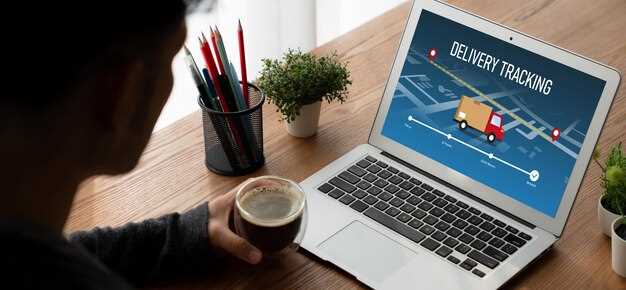
Start with a centralized system that directly connects with brands and carriers, enabling real-time routing, status updates, and automated hand-offs.
Focus on three core capabilities: integration with the supply network, dynamic routing, and end-to-end visibility. These drive measurable improvements in on-time performance and satisfaction.
Through utilization of live data, minimize non-delivery events by optimizing carrier mix, modes, and cargo assignments. Align main objectives with demand patterns to balance workloads before peak periods.
Prioritize drivers and touchpoints: equip mobile apps for status updates, proof of pickup, and cargo scans. This reduces friction and improves satisfaction across partners, especially for brands that operate long-haul routes and multiple vehicles.
Adopt a staged approach: start with essential integrations, then expand to full routing and logistics dashboards. This ensures the rise in efficiency is steady and the risk of disruption is low.
Test each feature against real-world scenarios: on-time, non-delivery, and delivered-confirmation workflows to validate value.
Before selecting a solution, compare integration breadth: ensure support for order orchestration, shipping labels, and non-delivery risk modules. A system that provides delivered status updates, proactive alerts, and proactive exception handling helps minimize non-delivery and boosts customer satisfaction. Already used by several top brands, this approach makes operations more resilient and fully scalable, especially when demand spikes.
| Aspekt | Prax. | Impact |
|---|---|---|
| Carrier integration | APIs with main carriers, including long-haul fleets and regional brands | reduces manual touch by 40-50% |
| Routing optimization | dynamic algorithms that consider demand, routes, cargo, and modes | boosts on-time share by 15-20% |
| Visibility & alerts | live tracking, non-delivery alerts, and delivered confirmations | improves customer satisfaction by 10-25% |
| Driver app | offline maps, touchless scans, status updates to customers and ops | reduces dwell time and speeds hand-offs |
Define Destination Types: Residential, Commercial, Locker, and Pickup Points
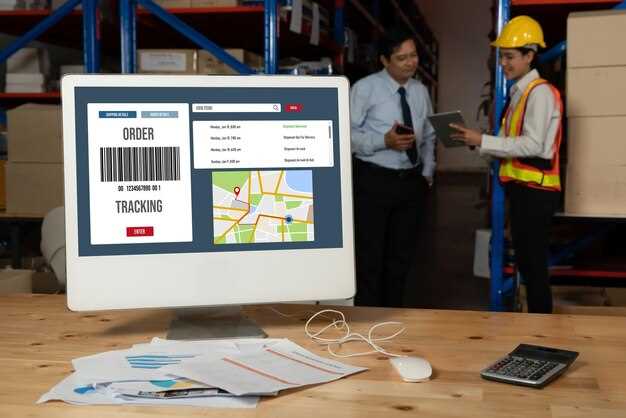
Classify destinations into four types–Residential, Commercial, Locker, and Pickup Points–and encode this taxonomy into routing rules to increase accuracy and reduce trips.
Residential: verified addresses, gate codes, and preferred contact; Commercial: dock width, access doors, pickup windows; Locker: locker ID, release code, and pickup window; Pickup Point: store hours, location ID, and pickup verification.
This categorization shapes routing decisions, improves dock utilization, and minimize manual touch by drivers. The impacts include shorter trips, fewer exceptions, and a lower rate of wrong-handovers.
Below are practical steps to implement, using integration with providers and addressing data quality: map customer addresses to the four types, enrich with fields per type, set up rules that push locker or pickup points to collect in specific windows, and notify drivers accordingly.
Once configured, run a demo to validate assumptions; compare shipping times and report on key metrics such as on-time share, average handover time, and failed handovers. The reason for improvements becomes clear after reviewing the data, and done with the validation, thats the moment to scale.
Integration with courier providers and store networks adds coverage and speeds up onboarding; this approach works with three product families: lockers, stores, and home addresses. These products cover lockers, pickup storefronts, and residential routes. A case demonstrates how a retailer reduced handover attempts by 25% after adopting destination-type routing.
After deployment, track below KPIs: increase in pickup rates at lockers, decrease in failed drop-offs, and a unified report that shows which routes, spots, and providers drive results. That data helps you find optimization opportunities and tailor plans for different regions.
Ultimately, a well-defined destination map reduces problems, lowers manual interventions, and keeps people satisfied while keeping products moving through lanes with minimal waits.
Destination-Type Aware Routing: Apply Rules and Constraints by Destination
Configure rules by destination category and let the routing engine adjust automatically to real-time conditions. This ensures each route meets constraints that match the recipient, whether a store, campus, or residential cluster. Start with a demo in a small group of stores, then, once results are verified, push adoption across the network.
Define destination types such as stores, campuses, residential neighborhoods, and remote depots. For each category, set time windows, access rules, vehicle type, and staging points. Each constraint influences the route decision and helps prevent problems at the point of handoff, addressing needs of managers and customers alike.
Cost control comes from selecting the great-fit fleet for each task and avoiding trips that cause long idle times. By splitting destinations, you can lift cargo visibility, shorten distance, and allow more stops within shift room, reducing the amount of fuel burned. This is especially valuable for last-mile tasks.
Measure success with number-based dashboards: number of non-delivery events, on-time points, and cargo incidents by destination type. A solid rule set should improve route efficiency. Managers can adjust constraints after patterns emerge, and adoption grows as teams see tangible results. This isnt a one-off tweak, it requires ongoing calibration.
For consumers, the impact is tangible: fewer problems, tighter handoff windows, and clearer status updates theyre confident in. Stores report higher throughput, while the fleet gains predictable workloads. After rollout, run a post-demo review to capture lessons learned and refine rules for the network.
Implementation steps: build a destination-type library with attributes, feed accurate demand signals, and maintain room in the route library for exceptions. This sandbox demo allows rapid learning, monitor cost and service level, and ensure the approach scales as demand rises. The result is a repeatable process that improves adoption among managers who want more control over each shipment.
Real-Time Tracking and ETA with Time Windows for Each Destination
Begin with a live-tracking layer that shows vehicle position, ETA, and a time window for each destination. This includes per-stop targets that absorb snarls and vary with traffic, weather, and load. Set default windows for urban routes at 10-15 minutes and 15-25 minutes for longer legs, then adjust based on observed performance.
todays operations require well-informed signals; the platform should show ETA shifts as conditions change and carry a clear history of deviations. The system ensures a likely arrival range for each stop, so planners can find and keep customers and dispatchers informed. This approach gives dispatchers a look at performance trends and provides them with concrete signals to act on.
Dynamic routing and time windows are pillars of an efficient operation; they are the main anchors that set expectations and prevent brittle schedules. These windows should be dynamic and adjustable based on real-time feeds from traffic, weather, and driver pace, with each destination assigned a suitable window that balances reliability and carrier availability.
Historical data shows that aligning windows with actual routes raises on-time share, and yields a reliable ETA band within a tight margin. Start with a baseline of 15 days of corridor data and test windows of 5, 10, or 15 minutes depending on distance and curb rules. In urban markets, aim for 85-92 percent of arrivals within the chosen window, and use wider slots for peak periods to protect overall reliability.
Electric fleets and bicycle-based operations are very suitable for dense urban zones, where e-commerce flows often demand near-doorstep time. Time windows help ensure carriers can carry shipments without excessive idle time while keeping end customers satisfied. While these options are available, maintain charging schedules, bike checks, and routine vehicle health checks to avoid delays during high-pressure periods.
Implementation steps start with defining time-window templates, then integrate telematics and a mapping engine that feeds live ETAs. Run a pilot in a single district to find practical defaults, then scale. Main tasks include setting per-stop windows, enabling automatic re-dispatch if ETA drifts beyond window, and notifying customers with accurate status updates. These measures ensure high adherence and reduce manual interventions.
The payoff is measurable: higher on-time rates, lower customer inquiries, and less pressure on drivers. Available dashboards reveal per-route performance, highlight snarls, and guide continuous improvement. Attention to per-destination windows would raise service quality and lower risk during peak periods.
Delivery Proof, Exceptions, and Compliance by Destination Type
Implementujte overovací proces s ohľadom na typ cieľa: potvrdenie dotykom pri odovzdávaní a automatické zaznamenávanie dôkazov, následne smerovanie na prístupný panel pre každý typ cieľa. Tento prístup zlepšuje presnosť, znižuje priestor na interpretáciu a šetrí čas pri auditoch.
- Mestské destinácie
Mestské trasy si vyžadujú viacbodový záznam dotyku: fotografia dverí, časová pečiatka a GPS súradnice automaticky zaznamenané v momente odovzdania. Zahrňte rýchle, voliteľné potvrdenie príjemcu, aby ste zaistili správnu interakciu. Dôkazy sa zaznamenávajú a ukladajú na paneli, aby sa zabezpečila konzistentnosť skúseností počas zmien. V praxi to znižuje problémy o merateľnú hodnotu a urýchľuje časové okno obratu, pričom správy ukazujú rýchlejšie časy uzávierky a menej sporov pre husto osídlené koridory.
- Prímestské koridory
Dôkaz by mal podporovať odovzdávanie pri chodníku alebo vo vstupnej hale, s fotografiou, časovou pečiatkou a poznámkou o spôsobe prístupu (recepcia, interkom alebo kód). Automatická synchronizácia udržiava dáta presné a prístupné a systém by mal okamžite označiť akúkoľvek nezhodu. Toto nastavenie šetrí čas cestovania, zlepšuje úspešnosť prvého pokusu a prináša vyššiu mieru dokončenia v ten istý deň.
- Vidiecke a odľahlé lokality
Funkcia snímania s offline podporou je nevyhnutná: zaznamenávajte dotyk, časovú pečiatku a polohu, keď je pripojenie slabé, a potom automaticky synchronizujte, keď je signál k dispozícii. Zaznamenané dôkazy sa stávajú súčasťou panela pre celú flotilu, čo umožňuje rýchlejšie obnovy, ak sa doručenie nedokončí. Špeciálna manipulácia môže byť potrebná pri oneskoreniach spôsobených počasím, ale hlavný dôkaz zostáva konzistentný a sledovateľný.
- Obytné budovy s viacerými nájomníkmi
Používajte kombináciu fotografií, poznámok z dverí a kontrol prístupu (interkom, kód budovy alebo vrátnik). Zabezpečte, aby boli dôkazy automaticky zaznamenané a prepojené s konkrétnou jednotkou, čo zvyšuje zodpovednosť a znižuje priestor pre nesprávne doručenie. Tento prístup podporuje prehľadnosť miestnosť po miestnosti a plynulejší zážitok pre príjemcov.
Výnimky a eskalácia podľa typu cieľa
- Bežné dôvody
Neprístupnosť, nesúlad adresy, nedostupnosť príjemcu, bezpečnostné zadržanie alebo zastavenie kuriérom z bezpečnostných dôvodov. Každá udalosť by mala obsahovať jasnú, kódovanú poznámku spolu s priloženým dôkazom (fotografia, časová pečiatka a údaje o polohe) a mala by sa odraziť v paneli pre dohľad flotily.
- Spracovanie a opakovania
V prípade, že nastane výnimka, vygenerujte automatické okno pre opakovaný pokus a upovedomte príslušný pár vodičov. Zaznamenajte dôvod, priložte dôkazy a navrhnite alternatívne miesta vyloženia alebo časové okná. Táto prax predchádza opakovaným cestám a zlepšuje celkovú efektívnosť.
- Kontroly dodržiavania predpisov
Skontrolujte každú výnimku voči cieľovým pravidlám (ochrana súkromia, riadenie prístupu a štandardy zaznamenávania). Zaistite, aby bolo použité rozmazanie tváre a minimalizácia údajov tam, kde je to potrebné, a aby boli doby uchovávania v súlade so zásadami. Správa by mala pokrývať každý prípad a zdôrazniť faktory, ktoré viedli k vyriešeniu alebo opakovaniu.
Súlad podľa typu cieľa: údaje a správa
- Mestský
Centralizované vykazovanie zahŕňa kontroly presnosti, dotykovú ochranu a záznamy dôkazov pre každú kvapku. Udržiavajte krátke intervaly uchovávania údajov na podporu cieľov udržateľnosti a minimalizáciu neporiadku v paneli.
- Suburban
Balíky s dôkazmi by mali byť vyhľadateľné podľa adresy, bytu a spôsobu prístupu. Hľadiská prístupnosti (šírka dverí, prístupnosť pre rampy a časové obmedzenia) by mali byť zdokumentované v každom prípade, čím sa zlepší celkový zážitok pre obyvateľov aj správcov nehnuteľností.
- vidiecky a odľahlý
Uchovávajte offline dôkazy bezpečne s automatickou synchronizáciou po pripojení na internet. Zahrňte poznámky o obmedzeniach pripojenia a faktoroch súvisiacich s počasím, aby ste vysvetlili akékoľvek medzery. Tento prístup udržiava dátový súbor kompletný a užitočný pre audity a reportovanie o udržateľnosti.
- Rezidenčné komplexy
Pripojte identifikátory na úrovni jednotiek a záznamy concierge ku každej udalosti. Zabezpečte, aby bol prístup k údajom obmedzený len na autorizované roly a aby spracovanie bolo v súlade s požiadavkami na ochranu súkromia. Systém by mal poskytovať transparentné, auditovateľné správy, ktoré podporujú neustále zlepšovanie v celom vozovom parku.
Celkovo navrhovaný prístup zachováva presnosť dôkazov, umožňuje podniknúť kroky na základe výnimiek a zabezpečuje, že každé odovzdanie je potvrdené dotykom a zaznamenané raz. Buduje rýchlejší a zodpovednejší tok, ktorý by uspokojil zainteresované strany, podporuje ciele udržateľnosti a poskytuje jasné, dátami riadené prehľady v každej správe.