Získať aplikáciu


Píšuci redaktor pre oblasť dopravy a logistiky
Alexander Petrunin pokrýva trhy s nákladnou dopravou a logistikou v Európe, Spojených štátoch a SNŠ – od sprievodcov po Portugalsku, Španielsku a Francúzsku až po cezhraničnú kamiónovú dopravu a licencovanie prepravcov. Jeho články sa zameriavajú na praktické rady pre odosielateľov a prepravcov: trasy, faktory cien a regulácie.

How Brexit Has Impacted Logistics in the UK
The United Kingdom's decision to leave the European Union, commonly known as Brexit, has reshaped the logistics landscape in profound ways. As businesses adapted to new regulations, customs procedures, and trade agreements, the logistics sector faced significant challenges. From increased paperwork to supply chain delays, Brexit has forced companies to rethink their logistics strategies. This article explores the key impacts of Brexit on UK logistics and how businesses can adapt to the new realities.
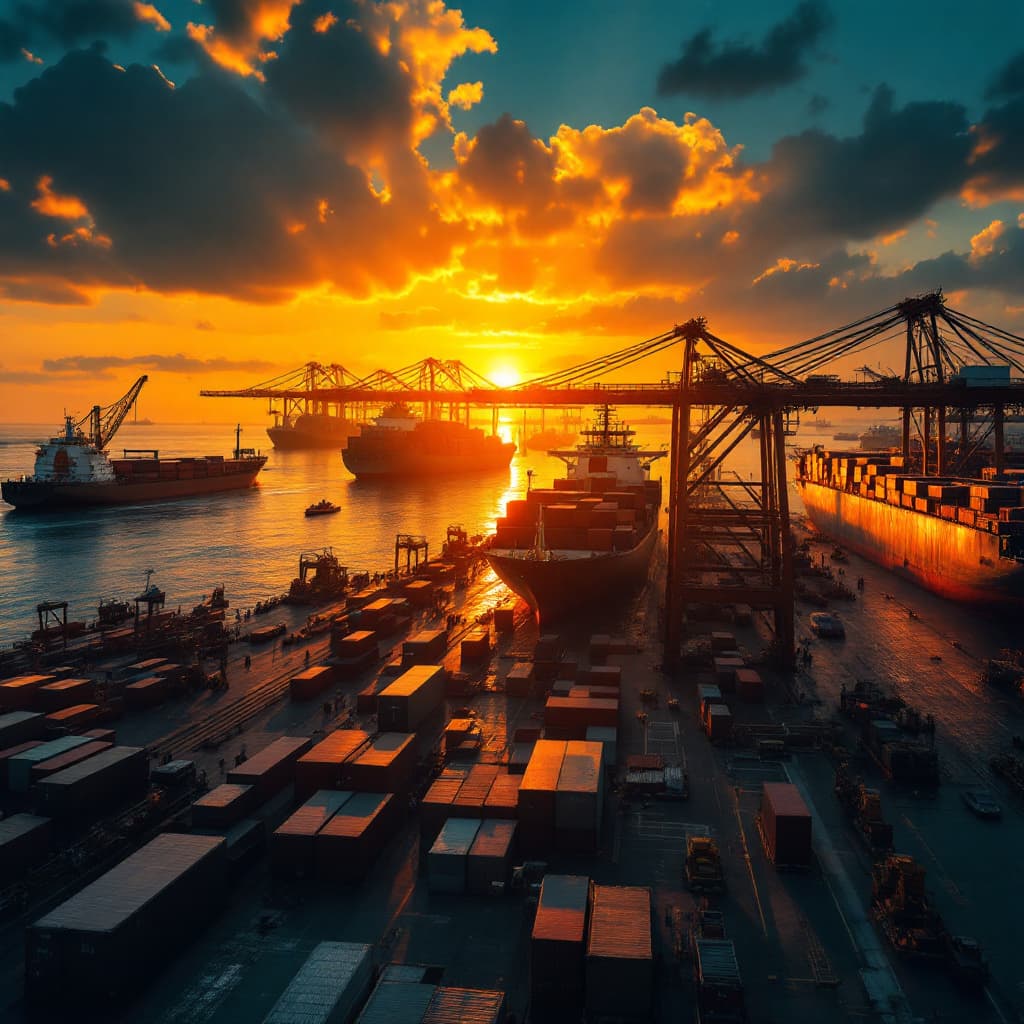
Logistics in China: Managing a Complex Supply Chain
China, as the world's largest exporter and a global manufacturing hub, has one of the most intricate and dynamic logistics networks. Managing supply chains in this vast country presents unique challenges and opportunities. From its extensive infrastructure and technological advancements to regulatory nuances and regional disparities, understanding how to navigate China's logistics landscape is critical for businesses seeking operational efficiency and global competitiveness. This article examines the complexities of logistics in China and provides strategies for effectively managing supply chains.

Logistics in Germany: Efficiency and Innovation
Germany is often hailed as the logistics hub of Europe, renowned for its highly efficient infrastructure, advanced technologies, and commitment to innovation. With its strategic location at the heart of Europe, Germany’s logistics sector plays a crucial role in facilitating trade within the continent and globally. This article explores the key factors that make Germany’s logistics system a global benchmark, as well as the innovations driving its continued success.
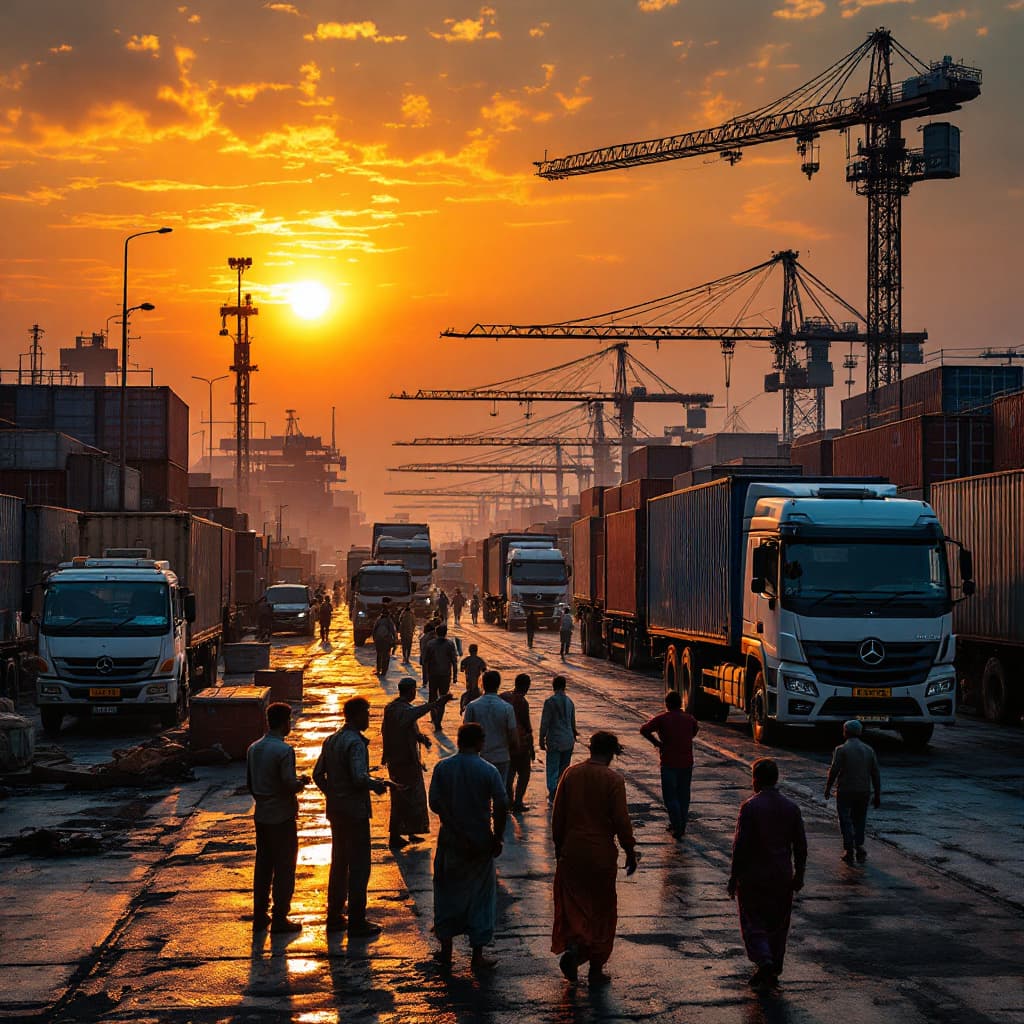
Logistics in India: How Transport Networks Are Evolving
India, one of the fastest-growing economies in the world, is witnessing a logistics revolution. With its vast geography and diverse terrains, the country’s transportation networks play a pivotal role in connecting rural and urban areas, facilitating trade, and supporting economic growth. Over the years, India has made significant strides in developing its logistics infrastructure. Moreover, it is integrating advanced technologies and addressing historical challenges. This article explores how India’s transport networks are evolving to meet modern demands.

Logistics in Japan: Technology and Sustainable Development
Japan, a global leader in technology and innovation, has one of the most efficient logistics systems in the world. Known for its precision, reliability, and advanced infrastructure, the country’s logistics industry is a cornerstone of its economy. In recent years, Japan has focused on integrating cutting-edge technologies and sustainable practices to address environmental concerns and evolving market demands. Consequently, this article explores how technology and sustainability are shaping the future of logistics in Japan.
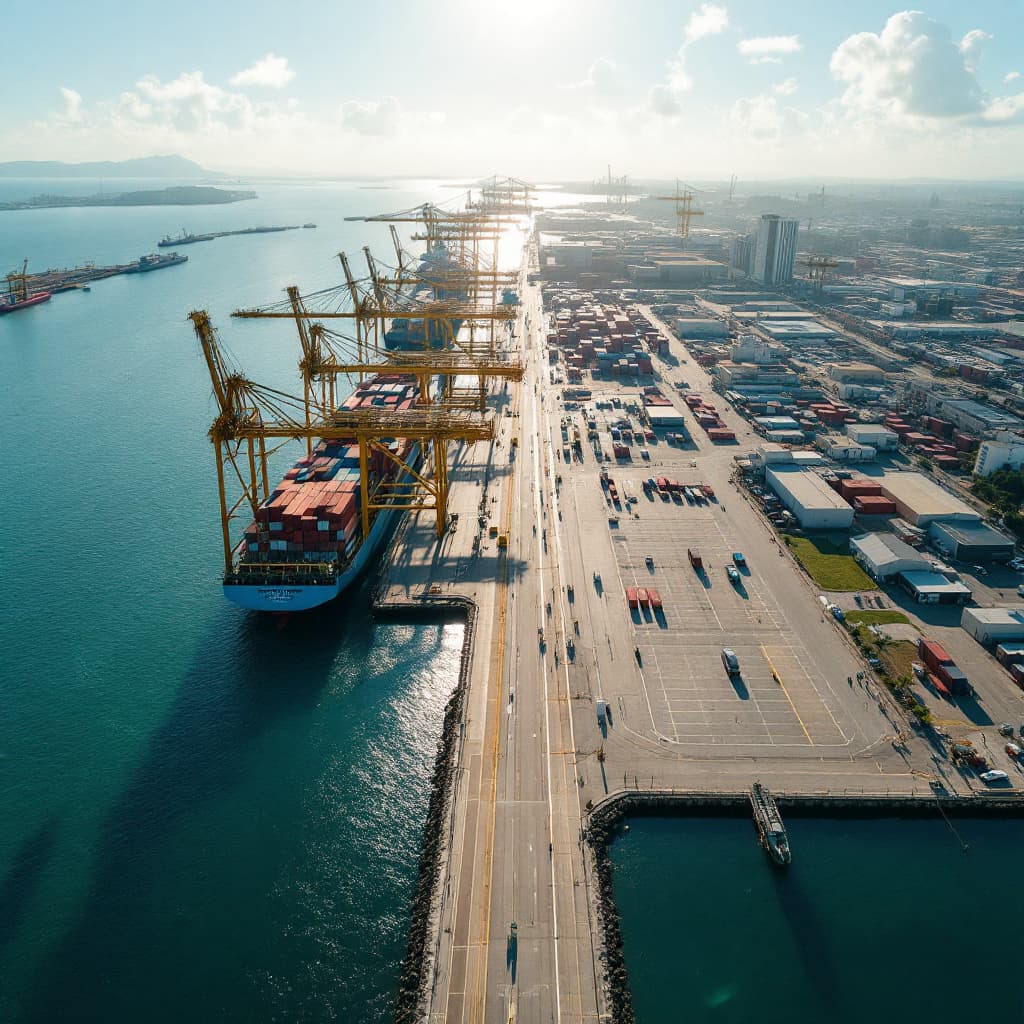
Logistics in Brazil: Challenges and Opportunities
Brazil, the largest country in South America, boasts a vibrant and diverse economy that heavily relies on logistics to connect its sprawling regions. From the Amazon Rainforest to industrial hubs in São Paulo, managing the flow of goods across Brazil’s vast terrain presents unique challenges. However, with strategic investments and innovations, the country is turning its logistical complexities into opportunities. This article explores the key challenges and potential opportunities shaping Brazil’s logistics sector.
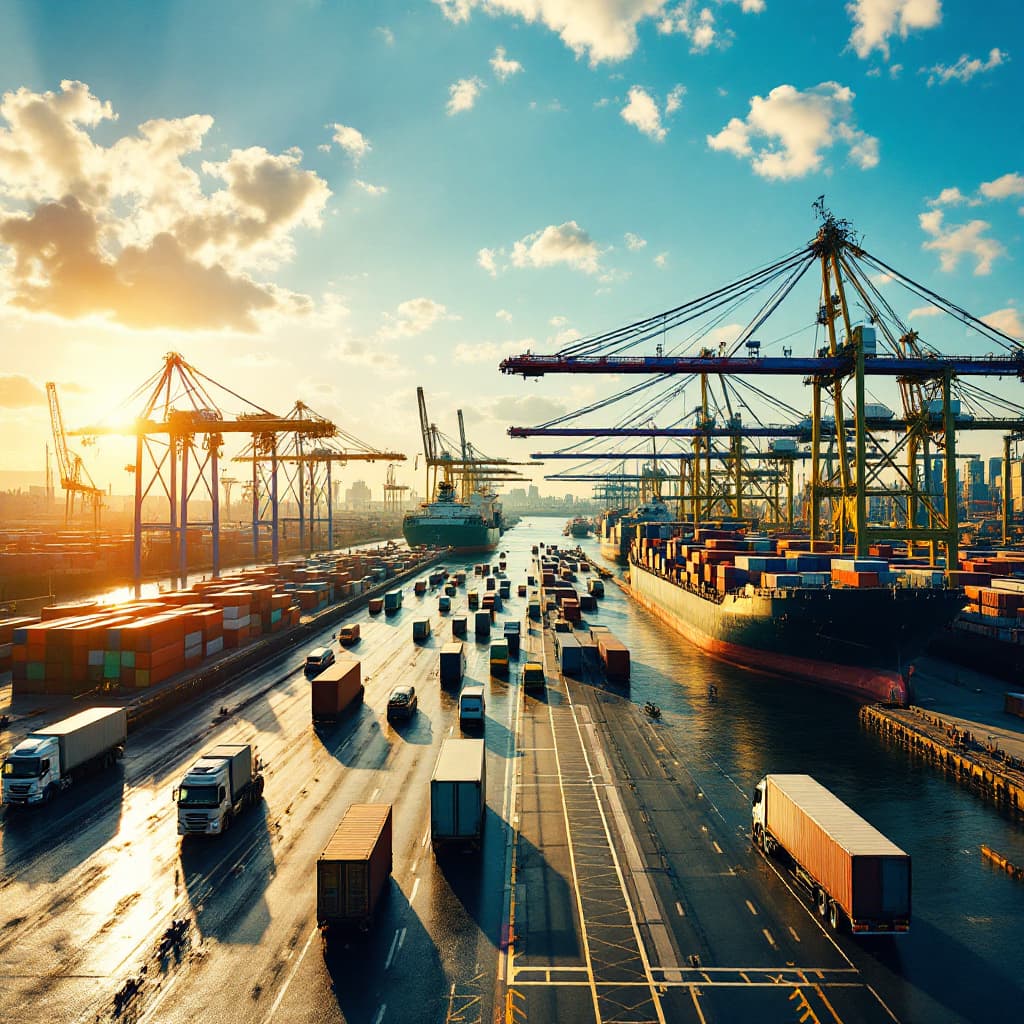
Logistics in Australia: Managing Remote Regions
Australia, known for its vast landscapes and remote communities, presents unique challenges for logistics and supply chain management. The country's major cities, such as Sydney and Melbourne, are well-connected, but transporting goods to rural and remote areas requires advanced planning, innovative solutions, and significant investment. Despite these challenges, Australia has developed a robust logistics network that continues to evolve with technological advancements and infrastructure improvements. This article explores the key obstacles in Australian logistics and the strategies used to ensure efficient supply chain operations.

Logistika na Blízkom východe: Prehľad vyvíjajúcich sa trhov
Blízky východ sa stáva kľúčovým logistickým uzlom, ktorý spája Európu, Áziu a Afriku prostredníctvom strategických obchodných koridorov. Rýchly hospodársky rast regiónu, investície do infraštruktúry a vyvíjajúce sa obchodné politiky ho zar
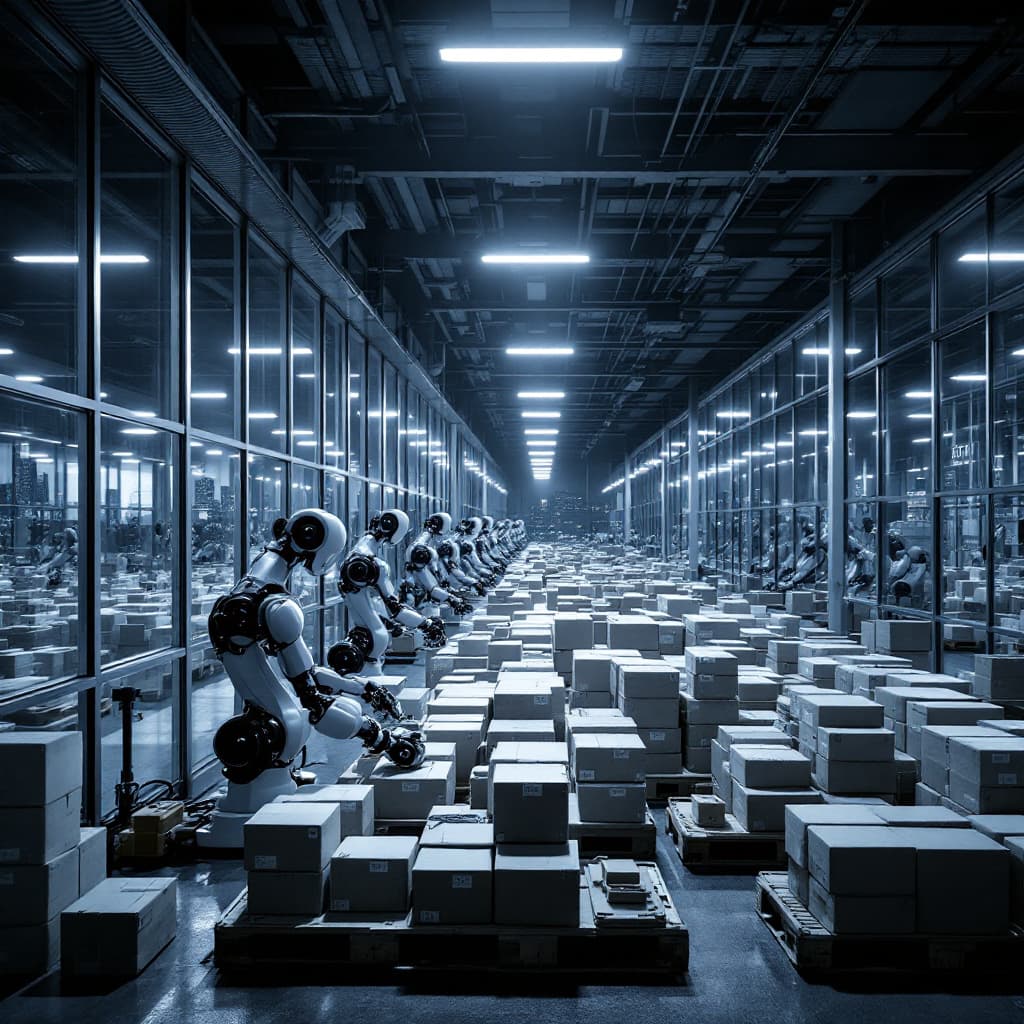
Warehouse Robotics: How It Works
Warehouse robotics is revolutionizing the logistics inWarehouse robotics is revolutionizing the logistics industry by automating various warehouse operations, including inventory management, order fulfillment, and transportation of goods. These robotic systems enhance efficiency, reduce labor costs, and minimize human errors. As businesses seek to optimize their supply chains, the adoption of robotics in warehousing continues to expand. Consequently, companies are focusing on integrating robotics to improve overall workflow. This article explores how warehouse robotics functions and the different types of robots used in modern warehouses.

The Impact of 5G on Logistics: What You Need to Know
The rise of 5G technology is transforming industries worldwide, and logistics is no exception. With faster data transmission, ultra-low latency, and enhanced connectivity, 5G is set to revolutionize supply chain management, transportation, and warehouse automation. As a result, businesses can expect greater efficiency and improved operations. This article explores how 5G is reshaping logistics, its key benefits, and what businesses need to know to stay ahead in a rapidly evolving landscape.

Virtual Reality in Logistics Training: A New Era
The logistics industry is evolving rapidly, driven by technological advancements that enhance efficiency and streamline operations. One of the most significant innovations in recent years is the adoption of Virtual Reality (VR) in training programs. VR is revolutionizing how logistics professionals acquire skills, improving safety, efficiency, and workforce preparedness. This article explores how virtual reality is transforming training in logistics, the key benefits it offers, and what the future holds for this technology in the industry. The Role of Virtual Reality in Logistics Training 1. Immersive Learning Environments VR creates realistic, interactive simulations where trainees can
Applying Machine Learning in Inventory Management
Efficient inventory management is crucial for businesses seeking to optimize operations, reduce costs, and enhance customer satisfaction. Traditional inventory management relies on historical data and rule-based systems, which often struggle to adapt to changing demand patterns. Machine learning (ML) is revolutionizing this field by providing predictive analytics, automation, and real-time insights. This article explores how machine learning is applied in inventory management, its key benefits, and future trends in the industry.