


 Slovenčina
  English (UK)
  Русский
  العربية
  日本語
日本語  한국어
한국어  Magyar
  Türkçe
  Español
  Čeština
  Svenska
  Português
  Ελληνικά
  Suomi
Suomi  Nederlands
  Română
  Italiano
  Français
  Polski
  Українська
  Deutsch
  简体中文
简体中文 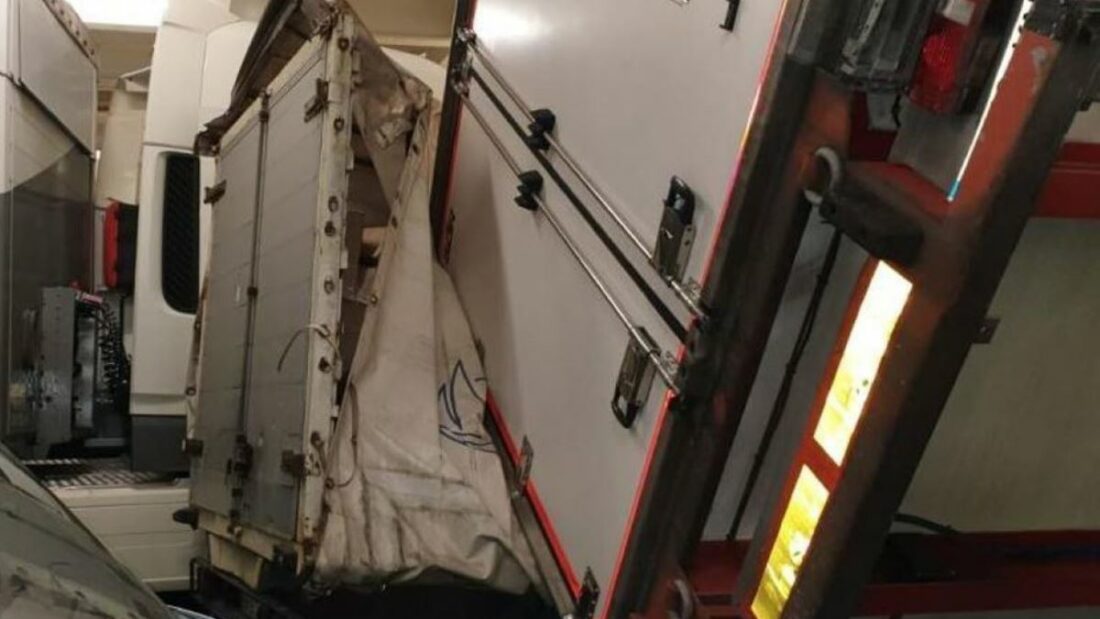 Komplexné pokyny EÚ pre zabezpečenie nákladu nákladných vozidiel v námornej doprave a ich vplyv na logistiku">

The Critical Role of Cargo Securing in Truck Transport via Ferries
Transporting cargo by truck is no simple feat, especially when it involves crossing seas on ferries. The safety concerns tied to cargo securing in these conditions are profound. Unlike the predictable nature of highway travel, maritime conditions introduce turbulent elements like unpredictable waves and weather, which can cause cargo to shift dangerously if not properly fastened. This calls for thorough attention to EU regulations designed to mitigate accidents and keep freight systems flowing smoothly.
Why Proper Cargo Securing Matters More at Sea
On the road, improperly secured cargo can cause accidents, but add a choppy sea voyage into the mix, and the risks multiply exponentially. Ferries sway and heave, pushing and pulling loads in all directions—forward, backward, side-to-side, and even up and down. These dynamic forces far exceed normal road stresses. When cargo isn’t firmly anchored, it transforms into a hazard not just for the transport vehicle, but for the entire vessel and those on board. The stakes are high, involving potential damage, delays, and costly disruptions to the delivery chain.
EU’s Regulatory Framework for Cargo Securing in Maritime Freight Transport
The EU has laid out a comprehensive set of rules for cargo securing that all transport operators must heed. Being familiar with these is crucial for drivers, freight forwarders, and logistics managers aiming to avoid fines and operational headaches.
| EU Regulation | Kľúčové zameranie | Implikácie |
|---|---|---|
| Directive 2014/47/EU | Rigorous inspection at roadsides and ports | Non-compliance may lead to vehicle immobilization, causing delays and supply chain interruptions |
| EU Good Practice Guidelines (2014) | Standard-setting best practices for cargo securing methods | Widely accepted as industry gold standard across member states |
| EN 12195-1 | Technical basis for calculating securing forces and correct use of securing devices | Frequent reference by inspectors for compliance verification |
Shared Responsibility Along the Supply Chain
Cargo securing is no one-person job; it’s a collaborative effort. Drivers must be trained and aware of securing principles according to regulations such as Directive 2003/59/CE, ensuring competence in both theoretical knowledge and practical application. Equally, loading teams, dispatchers, and logistics operators share the responsibility for a safely secured shipment, particularly when dealing with ferry crossings that add complexity.
Technical Essentials for Securing Cargo on Ferries
To keep cargo stationary amidst the tossing of the sea, securing must be comprehensive in all axes:
- Forward and backward
- Side to side
- Vertical movement
Uneven weight distribution can jeopardize both road safety and vessel stability, so cargo should be placed and balanced strategically to counteract sudden stops or sharp turns.
Proper Equipment for the Job
Only certified, well-maintained equipment should be used when securing cargo:
- Straps and chains
- Load bars and internal locks
- Anti-slip mats and edge protectors
Remember, anti-slip mats and edge protectors aren’t just accessories—they significantly increase friction and prevent wear, preserving the integrity of securing straps and enhancing safety.
Force Calculations: Don’t Wing It!
The required force for securing cargo isn’t guesswork. According to EN 12195-1, calculations are mandatory to ensure the load withstands:
- 0.8 g forward forces (simulating emergency braking)
- 0.5 g lateral forces (simulating sharp turns)
Utilizing vehicle attachment points rated for these calculated forces is essential—an eyeballed job won’t cut it here.
Special Cargo Considerations Before Boarding
Oversized or Heavy Loads
These fall under specific regulations such as Directive 96/53/CE and require national permits. While services like Freightlink can assist with permit management, the onus of compliance and securing logistics remains firmly on the transporter.
Hazardous Materials
Transporting dangerous goods adds another layer of responsibility. The ADR regulation overlaps with general securing rules, demanding specialized packaging and securing techniques that also conform to EN 12195-1 and ADR’s Part 7/8 specifications.
Practical Tips to Keep the Operation Smooth and Safe
- Regular training: Equip your team with up-to-date theory and hands-on training in cargo securing and locking.
- Pre-departure checklists: Make it mandatory to verify securing devices and load stability before reaching the port gate.
- Equipment maintenance: Regularly inspect and replace worn straps, chains, and mats. Port inspectors will definitely check!
- Clear documentation: Keep detailed records of load plans, force calculations, and staff training for audits and inspections.
Summary of EU Cargo Securing Regulations Impact on Logistics
The stringent application of Directive 2014/47/EU and adherence to EN 12195-1 standards aren’t just bureaucratic hurdles—they are the armor protecting drivers, cargo, and company reputations against risks inherent in marine freight transport involving ferries. Securely fastened cargo translates into fewer accidents, reduced delays, and more reliable delivery schedules, benefiting all stakeholders within the logistics and freight forwarding sectors.
Why Trusting Reviews Is Not Enough in Cargo Securing
Even the most honest feedback and glowing reviews can’t replace firsthand experience, especially in cargo transportation where conditions vary dramatically. Platforms like GetTransport.com empower users with access to a global marketplace of transport options, offering not only affordability but also transparent, reliable, and versatile transport solutions—from office relocations and furniture shipping to vehicle haulage and bulky freight delivery. This flexibility lets transporters choose the best option tailored to their unique needs without burning a hole in the pocket.
With GetTransport.com’s user-friendly interface and vast network, decision-makers can confidently book shipments knowing they are backed by a trusted partner that understands the nuances of logistics operations and EU regulatory compliance. Book your ride today and reap the benefits! GetTransport.com
Looking Ahead: How EU Cargo Securing Rules Shape Global Logistics
While EU cargo securing regulations primarily affect regional maritime transport, their influence extends beyond borders by setting a high bar for safety and operational excellence. These standards encourage global logistics players to maintain rigorous protocols, fostering safer and smoother freight flows worldwide. For platforms like GetTransport.com, staying aligned with such developments ensures they offer clients solutions that are both compliant and cost-effective.
Start planning your next freight delivery with confidence and secure your cargo effectively with GetTransport.com.
Záverečné myšlienky
In essence, the EU’s regulations on securing truck cargo on ferries highlight the intricate balance between safety, operational efficiency, and legal compliance in maritime freight transport. Proper load securing using certified equipment, comprehensive training, and adherence to force calculation standards are paramount to prevent accidents and delays. This directly translates to smoother logistics and better service reliability for customers and transporters alike.
Platforms like GetTransport.com provide a seamless way to match these stringent requirements with practical, affordable transport services across the globe. Whether moving a house, delivering pallets of goods, or trucking vehicles, their broad selection, transparency, and commitment to compliance make them an essential ally for anyone looking to navigate the complexities of international freight forwarding and cargo dispatch.