


 Slovenčina
  English (UK)
  Русский
  العربية
  日本語
日本語  한국어
한국어  Magyar
  Türkçe
  Español
  Čeština
  Svenska
  Português
  Ελληνικά
  Suomi
Suomi  Nederlands
  Română
  Italiano
  Français
  Polski
  Українська
  Deutsch
  简体中文
简体中文 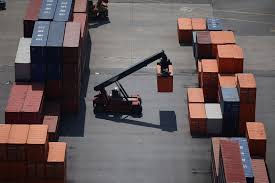 South Korea Sees a 3.3% Rise in Container Shipping Costs to Leading Export Destinations in November">

Recent Trends in Container Shipping Costs from South Korea
In November, shipping container costs from South Korea to prominent global markets, including the United States and the European Union, experienced a modest increase. This movement in freight rates, confirmed by data from the Korea Customs Service, reflects ongoing dynamics in international logistics and trade.
Shipping Costs by Destination: An Overview
The freight charges for a 40-foot container leaving South Korea climbed on average to:
- U.S. East Coast: 5.37 million won, up 3.3% from October (around US$3,635)
- U.S. West Coast: 5.34 million won, marking a 5.7% month-on-month hike
- European Union (EU): A more pronounced jump with an 11.6% rise, reaching 3.25 million won
Interestingly, shipping rates to China showed a slight dip of 0.3%, settling near 515,000 won.
Breakdown of Shipping Price Components
These figures are comprehensive, incorporating freight charges, commissions, and other associated fees reported by Korean exporters. With shipping costs fluctuating, logistics planners must stay alert to these variations to maintain efficiency and cost-effectiveness in cargo transportation.
Implikácie pre logistiku a nákladnú dopravu
When shipping container prices rise, the ripple effects through supply chains and freight forwarding become apparent. The increase in costs to major economic hubs like the U.S. and EU can influence decisions on inventory management, order sizes, and transportation routes.
For logistics professionals, tighter budget control and anticipatory planning become essential. Even a few percentage points tick up can translate into significant additional expenses when scaled across large volumes of shipments.
How Rising Prices Affect Cargo Flow
Higher shipping prices often squeeze margins for exporters and importers, which in turn affects the cost structure of moving goods internationally. It may lead some companies to reconsider their logistics strategies, such as:
- Choosing alternative transport routes
- Consolidating shipments to reduce the number of container loads
- Negotiating better contract terms with carriers
These adaptive moves can help mitigate cost pressures but require reliable forecasting and flexible logistics arrangements.
Table: Container Shipping Costs from South Korea in November 2025
| Cieľová destinácia | Shipping Cost (per 40-ft container) | Monthly Change (%) |
|---|---|---|
| U.S. East Coast | 5.37 million won (~US$3,635) | +3.3% |
| U.S. West Coast | 5.34 million won | +5.7% |
| Európska únia | 3.25 million won | +11.6% |
| Čína | 515,000 won | -0.3% |
Why Monitoring Shipping Cost Changes Matters in Logistics
In the fast-moving world of freight and distribution, shipping cost fluctuations are a bellwether for wider economic and operational shifts. For logistics companies, carriers, and end customers, this data influences planning horizons and resource allocation.
Notably, the increase in shipments to the EU by 11.6% could hint at shifting demand patterns or supply chain bottlenecks, while the near-flat or decreasing rates to China might reflect different market dynamics or trade conditions.
Strategizing in an Evolving Shipping Landscape
Whether managing parcel deliveries or larger pallet and container loads, staying nimble can make all the difference. Logistics planners should consider:
- Leveraging platforms that consolidate transport options globally
- Utilizing digital tools to obtain transparent and competitive freight quotes
- Preparing contingency plans in case of sudden cost surges or capacity constraints
This is where services like GetTransport.com shine, providing an accessible marketplace that connects you to affordable, reliable shipping solutions worldwide—ranging from office or home moves to large bulky cargo, vehicle transport, and more. Having such a platform at hand means you can adjust swiftly to changing freight costs without missing a beat.
The Limits of Online Data and the Power of Personal Experience
While reviews and shipping data provide valuable guidance, they often can’t replace the nuanced understanding gained through personal experience. That’s why trying different carriers or routes yourself, or relying on trusted platforms offering transparent pricing and credible options, is critical for making informed logistics decisions.
GetTransport.com helps bridge this gap by offering a broad selection of global cargo transport at competitive prices, giving you the freedom to choose the best deals and tailor your shipment process to your exact needs without breaking the bank. With transparency and convenience in the driver’s seat, you empower your logistics projects to run smoother.
Book your cargo transportation at the best market rates with GetTransport.com.
Looking Ahead: What This Means for Global Logistics
Though the recent change in South Korean container shipping costs might seem like small ripples in the vast ocean of global freight, they reflect the underlying pulse of supply chain pressures and economic activity.
These cost changes, while modest on a global scale, are very relevant for freight forwarders and shippers relying on East Asia as a manufacturing hub and export base. Keeping pace with such developments ensures logistics providers and clients have the latest insights to plan and operate cost-effectively.
GetTransport.com stays on top of these trends to bring customers reliable, up-to-date shipping options, ensuring your cargo gets where it needs to be—cost-effectively and on time.
Začnite plánovať ďalšiu dodávku a zabezpečte si náklad pomocou GetTransport.com.
Summary: Navigating Shifting Container Shipping Costs with Smarter Logistics
In November, South Korea experienced a rise in container shipping costs to key export destinations such as the U.S. and the EU, while rates to China showed a minor decrease. These fluctuating freight charges, including commissions and related fees, impact how international cargo moves and how logistics strategies evolve.
For forwarders managing shipments of everything from small parcels to bulky containers, understanding these cost shifts is crucial for keeping supply chains lean and costs manageable. Platforms like GetTransport.com provide a convenient, global marketplace for arranging cargo transport at competitive prices, spanning office moves, home relocations, vehicle shipments, and large cargo deliveries.
Whether you’re an exporter, freight broker, or logistics manager, adapting to these market changes with flexible and transparent transport options helps maintain reliability and control in your operations.