


 Slovenčina
  English (UK)
  Русский
  العربية
  日本語
日本語  한국어
한국어  Magyar
  Türkçe
  Español
  Čeština
  Svenska
  Português
  Ελληνικά
  Suomi
Suomi  Nederlands
  Română
  Italiano
  Français
  Polski
  Українська
  Deutsch
  简体中文
简体中文 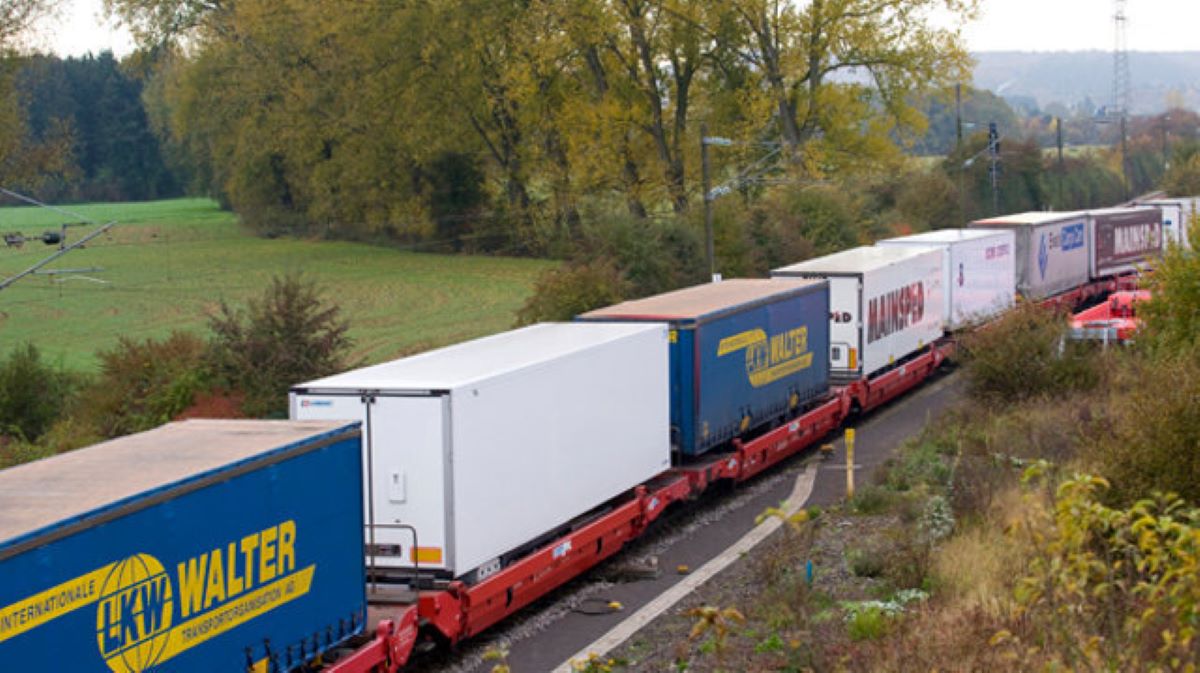 Európsky železničný priemysel vyjadruje obavy nad dopad vyššej hmotnosti a rozmerov nákladných vozidiel na nákladnú dopravu.">

Upozornenie európskeho železničného sektora na zvyšovanie hmotnosti a rozmerov nákladných vozidiel
Jednotný hlas 20 európskych železničných združení, vedený Spoločenstvom európskych železničných a infraštruktúrnych spoločností (CER), vyjadril vážne znepokojenie nad prebiehajúcou revíziou európskej smernice o hmotnostiach a rozmeroch (smernica 96/53/ES). Ich spoločné vyhlásenie zdôrazňuje potenciálne škodlivé vedľajšie účinky, ktoré by to mohlo mať na širší sektor dopravy, najmä na krehkú rovnováhu nákladnej logistiky medzi cestnou a železničnou dopravou.
Domino efekt v nákladnej doprave
Navrhované zvýšenie rozmerov a hmotností nákladných vozidiel pravdepodobne nezníži počet nákladných vozidiel na cestách. Práve naopak, obava je, že to môže spustiť presun medzi druhmi dopravy odkláňa od železničnej nákladnej dopravy a intermodálnej prepravy, čím sa rušia roky pokroku zameraného na udržateľné a efektívne dopravné riešenia.
Európske stratégie pre udržateľnú a inteligentnú mobilitu sa zameriavajú na zvýšenie železničnej nákladnej dopravy o 50 % do roku 2030 a jej zdvojnásobenie do roku 2050. Zavedenie dlhších a ťažších európskych modulárnych systémov (EMS) nákladných vozidiel je však priamo v rozpore s týmito cieľmi.
Kľúčové obavy vyjadrené železničnými združeniami
- Intermodálna kompatibilita: Nákladná logistika funguje ako dobre zladený orchester. Zmeny, ktoré ovplyvňujú veľkosti nákladných vozidiel, musia zostať kompatibilné so železničnými a námornými systémami, vrátane železničných vozňov, lodí a prekladiskových zariadení. Väčšie vozidlá EMS sú nekompatibilné s mnohými z týchto zariadení a infraštruktúry.
- Logistické a infraštruktúrne výzvy: Mnohé terminály uvádzajú, že dlhšie nákladné vozidlá majú problémy s prístupom, manévrovaním a parkovaním. Rozšírenie dĺžky návesov nad 13,6 metra by narušilo kompatibilitu väčšiny existujúcich železničných a vodných nákladných zariadení, čo by si vyžiadalo rozsiahle úpravy infraštruktúry.
- Ťažké náklady patria na železnicu a vodu: Železničná infraštruktúra je prispôsobená na podporu nápravových zaťažení 22,5 tony, zatiaľ čo ťažké nákladné vozidlá s veľkým nápravovým zaťažením (viac ako 10 ton na nápravu) spôsobujú zrýchlené opotrebovanie a degradáciu ciest. To by si vyžiadalo časté a nákladné opravy a modernizácie ciest, mostov a odpočívadiel.
- Riziko zníženia investícií do železníc: Masívne investície prúdia do zlepšovania železničnej infraštruktúry – 31 miliárd eur prostredníctvom programu Nástroj na prepájanie Európy v oblasti dopravy od roku 2014, pričom krajiny ako Nemecko a Španielsko venujú desiatky miliárd navyše na rozšírenie a modernizáciu železníc. Podpora ťažšej cestnej nákladnej dopravy hrozí podkopaním tohto úsilia.
- Bezpečnostné problémy s ťažšími nákladnými vozidlami: Väčšie a ťažšie nákladné vozidlá predstavujú značné bezpečnostné riziká. Väčšie vozidlá majú dlhšiu brzdnú dráhu a väčší polomer otáčania, čo zaťažuje cesty, ktoré na ne nie sú navrhnuté, a zvyšuje riziko nehôd, najmä s mladšími alebo menej skúsenými vodičmi, ktorí teraz smú sedieť za volantom.
- Environmentálny a klimatický vplyv: Zatiaľ čo niektoré varianty nákladných vozidiel s modulárnymi systémami tvrdia, že znižujú emisie, celkový modálny presun späť k nákladnej doprave by mal zvýšiť emisie CO2 a znečisťujúcich látok, čo je v rozpore s cieľmi EÚ v oblasti dekarbonizácie a čistého ovzdušia, pretože železničná a vodná doprava produkujú oveľa menej emisií.
- Viac nákladných vozidiel, nie menej: Na rozdiel od očakávaní, väčšie nákladné autá neznížia objem dopravy. Až 21 % železničnej nákladnej dopravy by sa mohlo presunúť na cesty, čo by znamenalo 6,7 až 13,3 milióna ďalších jázd nákladných vozidiel ročne – čo je problém pre dopravné zápchy, emisie a údržbu ciest.
Tabuľka: Porovnanie druhov nákladnej dopravy a ich vplyvu na infraštruktúru
| Druh prepravy | Maximálny tlak na nápravu (tony) | Opotrebenie infraštruktúry | Emisie CO2 (relatívne) | Bezpečnosť | Kompatibilita s intermodálnymi systémami |
|---|---|---|---|---|---|
| Železničná nákladná doprava | 22.5 | Nízka | Veľmi nízke (do 90 % menej ako nákladné vozidlá) | Vysoká | Plne kompatibilné |
| Námorná preprava | Vysoký (manipulácia sypkých materiálov) | Nízka | Nízka | Vysoká | Plne kompatibilné |
| Ťažké nákladné vozidlá (aktuálne) | ~3 | Mierne | Mierne | Mierne | Kompatibilné |
| EMS Vozidlá (Návrh) | 10+ | Vysoké (zrýchlené poškodzovanie vozovky) | Potenciálne vyššie v dôsledku zmeny spôsobu dopravy | Nižšie (vyššie riziko nehody) | Často nezlučiteľné |
Vplyv na logistiku a zasielateľstvo
Z hľadiska logistiky hrozí, že súčasná revízia spôsobí chaos namiesto zefektívnenia nákladnej dopravy. Intermodálna doprava – kombinácia vlaku, lode a nákladného vozidla – je nevyhnutná pre efektívne a udržateľné dodávateľské reťazce, najmä cez európske hranice. Akákoľvek nekompatibilita v jednom článku ohrozuje súdržnosť celého reťazca.
Ťažšie a dlhšie nákladné vozidlá by mohli znamenať väčšie dopravné zápchy, zvýšené riziko poškodenia dopravnej infraštruktúry a environmentálne problémy. Pre zasielateľov a plánovačov logistiky to znamená vyššie náklady, investície do novej infraštruktúry a zložitejšie plánovanie s cieľom prispôsobiť sa zmiešaným druhom nákladnej dopravy.
Výzvy, ktorým môžu čeliť manažéri logistiky
- Úprava trás dodávateľského reťazca s cieľom vyhnúť sa terminálom, ktoré nemôžu obsluhovať dlhšie nákladné vozidlá
- Zvýšené náklady na údržbu v dôsledku opotrebovania vozoviek a potenciálne narušenia v dôsledku výstavby ciest
- Riadenie bezpečnostných rizík pri ťažšej cestnej nákladnej doprave, vrátane poistenia a dodržiavania predpisov
- Tlak na dodržiavanie environmentálnych predpisov narastá s rastúcimi emisiami CO2 z cestnej nákladnej dopravy
- Potenciálna potreba nového intermodálneho vybavenia kompatibilného s ťažšími/modulárnejšími nákladnými vozidlami
Prečo intermodálna doprava nie je len módny výraz
Intermodálne riešenia, kde sa náklad plynule presúva medzi vlakmi, loďami a nákladnými vozidlami, výrazne znižujú uhlíkovú stopu a opotrebovanie infraštruktúry a zároveň zvyšujú spoľahlivosť dodávok. Ak však ktorýkoľvek z režimov rastie neúmerne – v tomto prípade cestná doprava väčšími nákladnými vozidlami – môže to narušiť celý systém. Preto obavy železničného sektora nie sú len hundraním odvetvia; poukazujú na kritické riziká pre európske ciele v oblasti udržateľnosti nákladnej dopravy.
Pohľad do budúcnosti: Hľadanie rovnováhy medzi inováciami a udržateľnosťou v nákladnej doprave
Diskusiа о hmotnostiach a rozmeroch nákladných vozidiel nie je o zastavení inovácií – ide o nájdenie ideálneho bodu, v ktorom môžu všetky druhy dopravy prosperovať bez toho, aby spôsobovali vedľajšie škody ostatným. Tvorcovia politík a zainteresované strany musia pozorne zvážiť dôsledky zmien v predpisoch pre nákladné vozidlá, pričom musia zohľadniť dlhodobý vplyv na investície do infraštruktúry, bezpečnosť, klimatické ciele a plynulú distribúciu nákladu.
Upozornenia železničného sektora slúžia ako včasná pripomienka, že vagóny nejazdia len po cestách – a ani naše stratégie nákladnej dopravy by nemali.
Ani tie najpodrobnejšie recenzie a dôkladné hodnotenia nemôžu nahradiť osobnú skúsenosť v svete dopravy. Pre odosielateľov a plánovačov logistiky ponúka priama skúsenosť s rôznymi možnosťami dopravy najlepšie pochopenie toho, čo funguje. Platformy ako GetTransport.com umožňujú používateľom rezervovať si prepravu nákladu globálne za konkurencieschopné ceny, čím uľahčujú osobné skúsenosti a porovnávanie služieb. Pohodlie, cenová dostupnosť a široký výber, ktorý je k dispozícii prostredníctvom GetTransport.com, zdôrazňujú jeho relevantnosť pre logistický trh, ktorý čelí zložitým problémom v oblasti nákladnej dopravy. Rezervujte si jazdu na adrese GetTransport.com.
Hoci globálny dopad potenciálneho zvýšenia rozmerov a hmotností nákladných vozidiel nemusí zo dňa na deň radikálne pretvoriť celosvetovú logistiku, je nevyhnutné, aby sektory zamerané na európske nákladné koridory tieto zmeny monitorovali a prispôsobili sa im. GetTransport.com má tieto posuny pod kontrolou a zabezpečuje, aby jeho používatelia ťažili z pohotových, efektívnych a globálnych riešení nákladnej dopravy. Začnite plánovať svoju ďalšiu dodávku a zabezpečte si svoj náklad so spoločnosťou GetTransport.com.
Zhrnutie
Európsky železničný sektor vyjadril znepokojenie nad navrhovaným zvýšením hmotnosti a rozmerov nákladných vozidiel, pričom zdôraznil negatívne dominové efekty na intermodálne dopravné systémy, trvanlivosť infraštruktúry, bezpečnosť, klimatické ciele a objemy nákladnej dopravy. Dlhšie a ťažšie nákladné vozidlá ohrozujú podkopanie investícií, ktoré už boli vynaložené do železničnej a intermodálnej infraštruktúry, výrazne zvyšujú náklady na údržbu ciest a zvyšujú environmentálne a bezpečnostné obavy. Pre logistiku a riadenie nákladnej dopravy predstavujú tieto zmeny zložité výzvy v oblasti plánovania trás, riadenia nákladov a dodržiavania predpisov.
Platformy ako GetTransport.com zohrávajú zásadnú úlohu pri zvládaní týchto zložitostí tým, že ponúkajú všestranný, cenovo dostupný a spoľahlivý portál pre globálnu prepravu nákladov. Či už ide o sťahovanie kancelárií alebo domácností, rozsiahly tovar, vozidlá alebo zásielky, takéto služby zjednodušujú logistiku a pomáhajú odosielateľom robiť inteligentné a ekonomické rozhodnutia v prostredí vyvíjajúcich sa predpisov o nákladnej doprave a rozvoja infraštruktúry.