


 Slovenčina
  English (UK)
  Русский
  العربية
  日本語
日本語  한국어
한국어  Magyar
  Türkçe
  Español
  Čeština
  Svenska
  Português
  Ελληνικά
  Suomi
Suomi  Nederlands
  Română
  Italiano
  Français
  Polski
  Українська
  Deutsch
  简体中文
简体中文 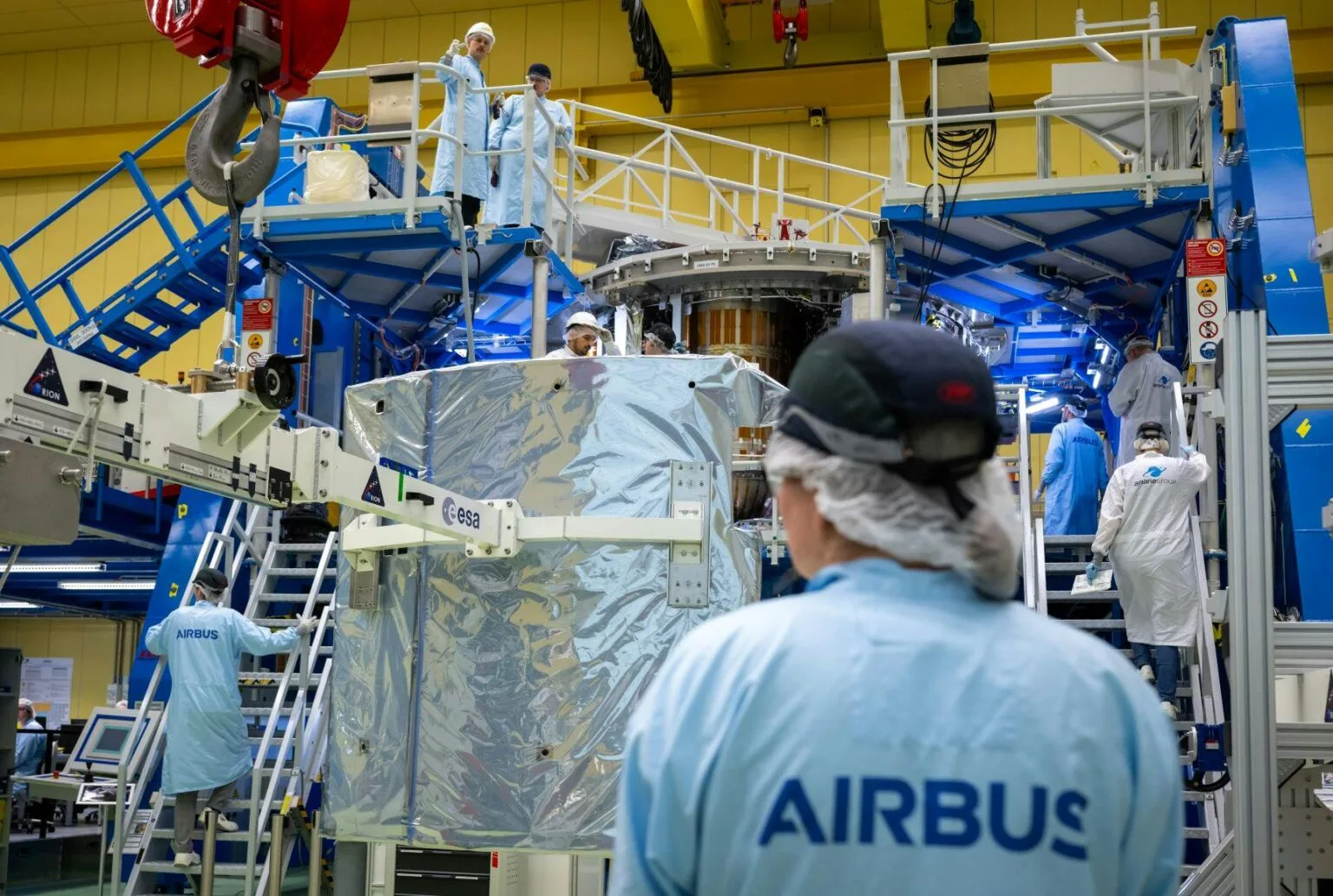 Airbus Prepares Fourth European Service Module for Artemis IV Mission to Support Lunar Exploration">

Európsky servisný modul pripravený na let Artemis IV
Štvrtý európsky servisný modul, známy ako ESM-4, bol dokončený v závode spoločnosti Airbus v nemeckých Brémach a teraz je pripravený na prepravu do Kennedyho vesmírneho strediska NASA na Floride. Tento modul je určený na integráciu s modulom posádky Orion na podporu ďalšieho ambiciózneho kroku v lunárnom prieskumnom programe Artemis od NASA.
Chrbtica cesty Artemis IV do hlbokého vesmíru
Európsky servisný modul, skonštruovaný spoločnosťou Airbus na základe zmluvy s Európskou vesmírnou agentúrou (ESA), je nevyhnutný komponent navrhnutý na podporu a napájanie kozmickej lode Orion. Jeho úloha presahuje obyčajný transport; zabezpečuje astronautom životnú podporu, pohon, energiu a termoreguláciu potrebnú pre ich misiu na Mesiac a lunárnu stanicu Lunar Gateway, prvú mesačnú vesmírnu základňu ľudstva.
Tento vesmírny modul ponúka:
- Pohon: Vybavený 33 motormi, vrátane výkonného hlavného motora prepracovaného z orbitálneho manévrovacieho systému raketoplánu Space Shuttle, ktorý poskytuje dostatočný ťah na únik z gravitačného poľa Zeme a vstup na obežnú dráhu Mesiaca.
- Životná podpora: Zabezpečuje vodu, kyslík a tepelnú reguláciu na udržanie bezpečnosti a pohodlia astronautov.
- Výkon: Štyri solárne panely vyprodukujú až 11,2 kW elektrickej energie, čo stačí na napájanie niekoľkých priemerných domácností na Zemi, pričom samotný ESM spotrebuje len 10% tejto energie.
- Tepelná regulácia: Tento systém, ktorý spravuje spoločnosť Thales Alenia Space Italia, udržuje teplotu vo vnútri modulu Orion pre posádku medzi 18 a 24 stupňami Celzia, pričom vyvažuje rozptyl tepla a izoláciu.
Komplexná cesta vesmírneho modulu
Po odoslaní z Brém do Kennedyho vesmírneho centra prejde ESM-4 náročným testovaním pred integráciou s modulom posádky Orion. Táto integrácia je kritická, pretože tieto dva moduly tvoria jednu kozmickú loď schopnú cestovať do hlbokého vesmíru a vykonávať dôležité operácie počas cesty.
Misie Artemis IV má za cieľ dopraviť Medzinárodný obytný modul, známy ako Lunar I-Hab, na stanicu Gateway, a tým poskytnúť domov a laboratórium pre astronautov obiehajúcich okolo Mesiaca. Spoločnosť Airbus a jej sieť európskych subdodávateľov predvádzajú svoje schopnosti v oblasti medzinárodnej spolupráce s týmto špičkovým hardvérom.
Autonómia a inžinierske výkony na palube
ESM má vysoký stupeň palubnej autonómie, ktorú riadi obslužný modul Orion. To zahŕňa životne dôležité systémy, ako je regulácia teploty a otáčanie solárnych krídel, aby sledovali Slnko, čo umožňuje astronautom sústrediť sa na ciele misie bez toho, aby sa museli starať o prevádzkové detaily kozmickej lode.
Pohonný systém zahŕňa 33 motorov: hlavný motor produkujúci 26,5 kilonewtonov ťahu, záložné pomocné trysky na korekcie obežnej dráhy a menšie motory na presné riadenie polohy. To umožňuje vesmírnej lodi rotovať, dokovať a navigovať s presným ovládaním – čo je nevyhnutné pre manévre v lunárnych vzdialenostiach.
Ako Artemis IV ovplyvňuje globálnu logistiku
Preprava sofistikovaného modulu, ako je ESM-4, z Nemecka do Spojených štátov, po ktorej nasleduje jeho integrácia a vypustenie, ilustruje obrovskú komplexnosť a presnosť, ktorú moderná logistika vyžaduje. Koordinácia presunu masívnych a vysoko hodnotných leteckých a kozmických komponentov cez kontinenty zahŕňa dôkladné plánovanie, spoľahlivých prepravcov a prísne bezpečnostné a manipulačné protokoly. Každý krok v tomto dodávateľskom reťazci ovplyvňuje harmonogram a úspešnosť misie.
Logistika v leteckom priemysle je príkladom potreby systémov, ktoré zaručujú bezpečnú a včasnú dodávku citlivého nákladu – vlastnosti, ktoré sa odrážajú v komerčnej nákladnej a dopravnej preprave. Platformy ako GetTransport.com ponúkajú všestranné a cenovo výhodné riešenia prepravy, ktoré podporujú všetko od sťahovania kancelárií a domácností až po medzinárodnú prepravu objemných nákladov, ako je nábytok, vozidlá a priemyselné zariadenia.
Tabuľka: Kľúčové vlastnosti európskeho servisného modulu (ESM-4)
| Funkcia | Popis |
|---|---|
| Propulsion System | 33 motorov vrátane hlavného motora s ťahom 26,5 kN plus pomocné a stabilizačné trysky. |
| Napájací zdroj | Štyri solárne panely generujúce 11,2 kW, pričom 90% pripadá na obytný modul a 10% využíva ESM. |
| Tepelná regulácia | Udržiava vnútornú teplotu medzi 18 °C a 24 °C, aby sa zabezpečilo pohodlie posádky a funkčnosť zariadenia. |
| Životná podpora | Poskytuje astronautom počas misie základné zdroje, ako je kyslík a voda. |
Širší obraz: Kozmické lode a logistika nákladu
Tento zložitý proces montáže a prepravy ukazuje, ako logistika podporuje nielen pozemskú nákladnú dopravu, ale aj kritický pohyb globálnych leteckých a kozmických komponentov. Načasovanie, manipulácia a sledovanie ESM-4 zo zariadení Airbusu na miesto štartu NASA sú príkladom zložitej koordinácie potrebnej pre vesmírne misie – koordinácie, ktorá odráža logistické výzvy pri doručovaní nákladov po celom svete.
Spoľahlivá nákladná preprava zaisťuje, že sa dodržiavajú časové osi misií bez ohrozenia citlivého hardvéru alebo bezpečnosti budúcich misií s posádkou. Ako sa odvíjajú ambiciózne projekty ako Artemis IV, zdôrazňujú zásadnú úlohu robustnej logistickej infraštruktúry pri podpore špičkovej vedy a prieskumu.
Prečo osobná skúsenosť v logistike prekonáva recenzie
Čítať o Európskom servisnom module a jeho ceste môže byť vzrušujúce, ale osobná skúsenosť pri výbere logistického partnera sa ničomu nevyrovná. Ani tá najúprimnejšia spätná väzba a nadšené recenzie nedokážu plne zachytiť nuansy kvality služieb, včasnosti alebo starostlivosti pri manipulácii.
Používanie služieb ako GetTransport.com umožňuje zákazníkom prístup k širokému výberu globálnych možností prepravy za konkurencieschopné ceny. Táto transparentnosť a pohodlie umožňujú odosielateľom robiť rozhodnutia prispôsobené ich potrebám bez toho, aby museli rozbiť bank alebo sa obávať neočakávaných meškaní.
Platforma ponúka zjednodušený prístup k preprave čohokoľvek, od predmetov pre domácnosť až po objemný náklad, a podporuje rôznorodé logistické požiadavky spoľahlivými riešeniami. Zarezervujte si prepravu nákladu s GetTransport.com aby ste sa dnes na vlastnej koži presvedčili, aké jednoduché, cenovo dostupné a globálne môže sťahovanie nákladu byť.
Záver: Význam zásielky ESM-4 v globálnom kontexte dopravy
Zhrnuté a podčiarknuté, preprava štvrtého Európskeho servisného modulu spoločnosti Airbus je viac než len míľnik v prieskume vesmíru – je to dôkaz zložitej a precíznej modernej logistiky. ESM-4 nielenže zabezpečuje život a energiu v lunárnych misiách, ale nám aj pripomína náročnú koordináciu, ktorá je nevyhnutná pri manipulácii s komplexným nákladom cez hranice.
Táto snaha podčiarkuje, ako letecká a kozmická doprava zdieľa základné črty s komerčnou nákladnou dopravou v logistike: spoľahlivosť, načasovanie, starostlivá manipulácia a bezproblémová integrácia v rámci globálnych dodávateľských reťazcov. Či už ide o presun modulov vesmírnych lodí alebo medzinárodných kontajnerových zásielok, logistika zostáva chrbtovou kosťou, ktorá zabezpečuje, že všetko dorazí na miesto určenia bezpečne a včas.
Platformy ako GetTransport.com spájajú cenovú dostupnosť, rozsiahle možnosti a jednoduchosť použitia pre tých, ktorí hľadajú riadenie nákladnej dopravy, prepravy alebo prepravy objemného tovaru globálne – ideálne na riešenie rôznorodých potrieb medzinárodnej prepravy, zasielateľstva a autodopravy.