


 Slovenčina
  English (UK)
  Русский
  العربية
  日本語
日本語  한국어
한국어  Magyar
  Türkçe
  Español
  Čeština
  Svenska
  Português
  Ελληνικά
  Suomi
Suomi  Nederlands
  Română
  Italiano
  Français
  Polski
  Українська
  Deutsch
  简体中文
简体中文 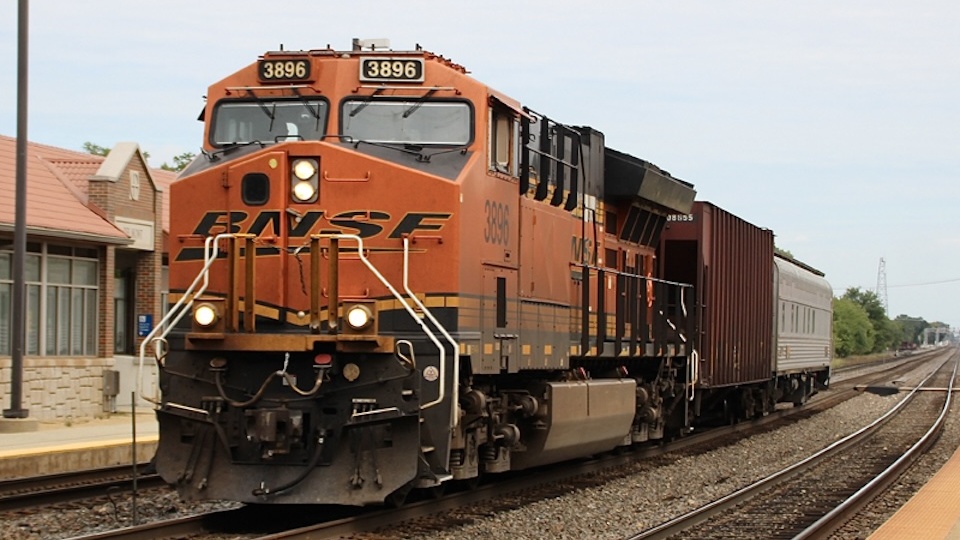 FRA Greenlights Expanded Use of Automated Track Inspections to Cut Weekly Visual Railway Checks">

Federal Railroad Administration’s New Waiver: What’s Changing?
The Federal Railroad Administration (FRA) has given the green light for an expanded use of automated track inspection technology through a newly approved five-year waiver. This move permits railroads to cut down on traditional visual inspections from twice a week to just once weekly, provided these are supported by at least monthly automated track inspections and specific reporting protocols.
This decision marks a significant shift in the way rail track safety is monitored, giving technology a more prominent role alongside human inspections. The FRA and the railroad sector alike emphasize that this blend of tech and eyeball checks aims to boost safety and operational efficiency on the nation’s rails.
Key Conditions of the Automated Inspection Waiver
The waiver comes with a dozen conditions designed to keep safety front and center:
- Railroads must notify the FRA 30 days in advance before expanding automated inspections.
- They must specify the exact track subdivisions included, which cannot be changed for a year.
- Automated inspections must cover all main tracks and sidings of those subdivisions at least once every month.
- The frequency of visual track inspections can be reduced from twice to once per week.
- There’s a requirement to submit monthly and annual reports detailing the inspection results.
- In case of any derailments on tracks under the waiver, reports must be filed within 24 hours.
Balancing Technology with Traditional Safety Checks
According to FRA officials, such as Chief Safety Officer Karl Alexy, expanding automated track geometry measurement systems (TGMS) will allow railroads to effectively combine technology with reduced human visual inspections. This complementary approach is expected to catch faults that might otherwise slip past the human eye.
FRA Administrator David Fink remarked, “Automation does not replace visual inspections but enhances them. This method is designed to improve rail safety by identifying potential problems early.” Similarly, Transportation Secretary Sean Duffy highlighted that this innovation enables preemptive identification of risks before they pose a danger to passengers and crews.
Industry Response: Embracing Innovation
Stránka Association of American Railroads (AAR) welcomed the waiver as a progressive step. They asserted that automated track inspection technology has been proven as a reliable safety tool and that its broader adoption will raise the reliability and efficiency of rail networks nationwide.
Opposition from Labor Unions
Not everyone is on board with this pivot toward automation. Railroad unions, notably the International Association of Sheet Metal, Air, Rail and Transportation Workers-Transportation Division (SMART-TD), oppose the waiver. They argue it could have negative consequences for safety as it appears to prioritize cost reduction and manpower downsizing over thorough inspection.
Jared Cassity, SMART-TD’s national safety and legislative director, criticized the move, suggesting the industry’s ultimate goal is to improve their financial metrics rather than safety. He warned that cutting visual inspections could jeopardize the integrity of infrastructure, threaten the environment, and impact the communities along the rail lines.
Why the Debate Matters to Logistics
Railroads are the backbone of many cargo and freight logistics, hauling everything from raw materials like coal to finished products and containers. Reliable track inspections are paramount in preventing accidents that disrupt supply chains. This new approach to inspections will influence how freight is transported efficiently and safely across vast distances.
For logistics operators and freight forwarders, embracing technology-enhanced safety measures might mean fewer unexpected delays and safer transit of goods. However, this comes with the challenge of ensuring that automation complements—not compromises—the rigorous scrutiny required to maintain track safety.
Inspection Frequency Before and After Waiver
| Inspection Type | Previous Standard | New Waiver Allowance |
|---|---|---|
| Visual Track Inspections | Twice per week | Once per week |
| Automated Track Inspections | Varied usage, generally less frequent | At least once per month for all track subdivisions |
Potential Implications for Rail Freight Logistics
- Zvýšená efektivita: Automated monitoring can identify faults early and reduce manual inspection downtime.
- Riadenie nákladov: Reducing human inspections could lower operational costs but has to be balanced against safety risks.
- Spoľahlivosť dodávateľského reťazca: Enhanced inspection systems promote smoother freight travel and fewer disruptions.
- Environmental and Community Safety: Vigilance is necessary to prevent accidents that could impact track-side communities and the environment.
Understanding the Full Picture Beyond Reviews
The utility and safety of expanding automation in track inspections cannot be fully captured by reports or opinions alone. While the best reviews and honest feedback provide useful insights, there’s no substitute for real-world experience. This is where platforms like GetTransport.com shine by offering access to global cargo transportation services with transparent, reliable, and cost-effective options. Users benefit from extensive choices whether moving office or home items, delivering bulky cargo, or handling vehicle transport.
By letting customers tap into competitive pricing and reliable shipping options, GetTransport.com helps make informed decisions without spending a dime more than necessary or risking disappointments. Rezervujte si jazdu today on GetTransport.com zažiť pohodlie a cenovú dostupnosť na vlastnej koži.
The Broader Logistics Landscape and Future Outlook
Although this FRA waiver might be a localized regulatory update, it signals a forward-leaning trend for integrating automation in logistics-related infrastructure management worldwide. Cargo and freight transport heavily rely on railroads as a cost-effective and high-volume mode of shipping. Enhancements in track safety through technology may not shake global logistics immediately but represent incremental yet vital evolution toward smarter, safer freight movement.
GetTransport.com stays on the pulse of these advances, ensuring customers’ cargo shipments align with the best industry practices. Whether handling parcels, pallets, container hauls, or bulky goods, this service is about simplifying shipping complexities with reliable solutions that meet modern demands.
Začnite plánovať ďalšiu dodávku a zabezpečte si náklad so službou GetTransport.com.
Zhrnutie
The FRA’s recent approval of a five-year waiver broadening the use of automated track inspection technology to reduce visual checks reflects the rail industry’s ongoing journey toward technological integration. With essential conditions to safeguard safety and stricter reporting mandates, this move potentially enhances operational efficiency and track safety by catching problems that human inspectors might overlook.
Despite union concerns about job impacts and safety risks, the adoption of automation aligns with the overarching goals of modern logistics—streamlining freight transportation while protecting assets, communities, and cargo integrity. For logistics companies and shippers alike, this development translates to a future where rail freight remains a reliable, effective backbone for moving goods sustainably and securely.
GetTransport.com, offering global, affordable, and versatile transport solutions—from household moves to large heavy cargo deliveries—stands ready to support these shifts. By providing transparent, convenient access to world-class freight services, the platform ensures that shippers enjoy peace of mind and efficiency in their logistics operations, keeping pace with industry innovations.