


 Slovenčina
  English (UK)
  Русский
  العربية
  日本語
日本語  한국어
한국어  Magyar
  Türkçe
  Español
  Čeština
  Svenska
  Português
  Ελληνικά
  Suomi
Suomi  Nederlands
  Română
  Italiano
  Français
  Polski
  Українська
  Deutsch
  简体中文
简体中文 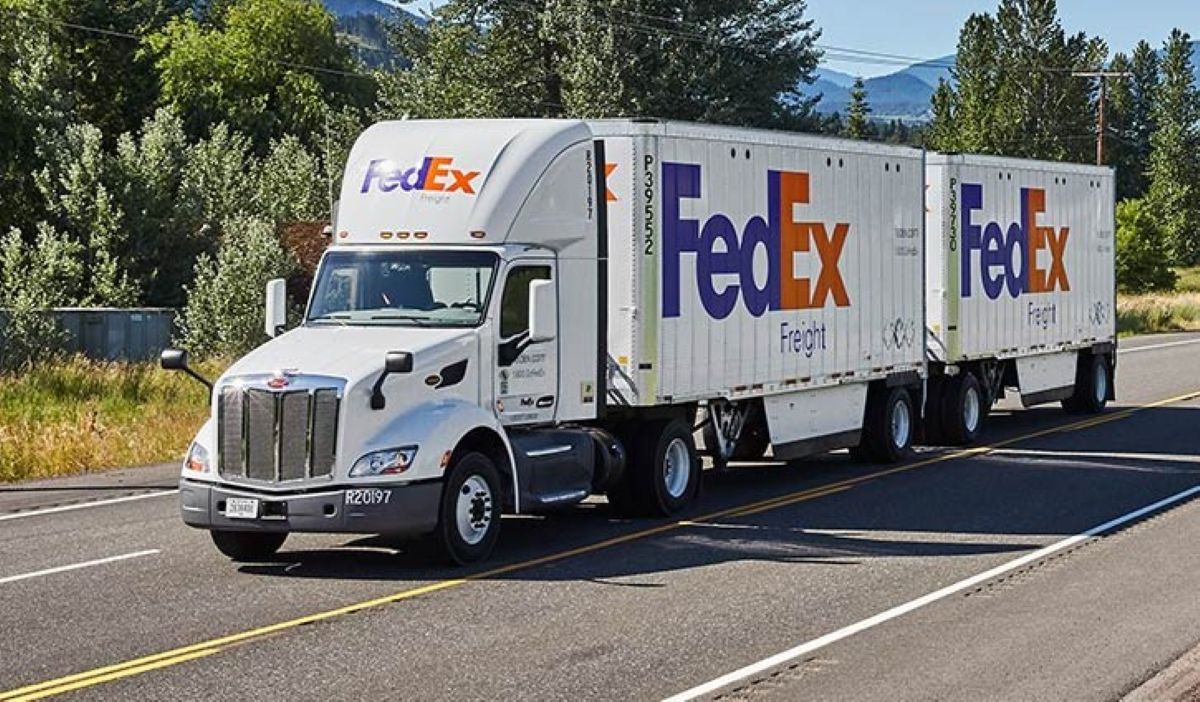 FedEx Advances Separation Plan for FedEx Freight with Target NYSE Listing as FDXF">

What’s happening: the spin-off in brief
FedEx has formally advanced the planned separation of its less-than-truckload arm, FedEx Freight, moving from concept to execution with a regulatory filing that sets a clear timetable for a stand-alone company.
Key dates and facts
| Položka | Detail | Expected Timing / Value |
|---|---|---|
| Form filed | Form 10 registration statement submitted | January 16, 2026 |
| Target separation date | Planned effective date for spin-off | June 1, 2026 |
| Proposed ticker | NYSE listing for the independent company | FDXF |
| Analyst valuation | Estimated standalone market value | $30–35 billion |
Why FedEx is doing this
The move reflects a wider shift inside FedEx toward prioritizing profitability over sheer scale. Management aims to create two focused, market-leading businesses: a parcel and express network, and an LTL (less-than-truckload) specialist that can better pursue verticals, technology investments and operational efficiencies specific to freight.
What the filing highlights
- Network strength: FedEx Freight will lean on a nationwide LTL network and industry-scale operations to improve service and reliability.
- Focused strategy: Commercial and operational efforts will target high-growth verticals and continuous efficiency programs.
- Kapitálová disciplína: Management expects sustained cash generation, disciplined capital allocation and funding for innovation and network upgrades.
A CEO’s perspective and market reaction
Raj Subramaniam, President and CEO of FedEx Corp., framed the filing as tangible progress toward launching a “leading LTL business.” The intention is to unlock shareholder value and position both entities to serve customers more effectively. Investors and analysts often reward clarity of focus, so the logic is straightforward: separate the distinct economics and operational models so each business can chase the right metrics.
Valuation and industry context
Analysts peg FedEx Freight’s potential valuation between $30 billion and $35 billion, a figure that would bring it closer to established public peers such as Spoločnosť Old Dominion Freight Line. While revenue growth forecasts are modest, the market sees upside via multiple expansion if the sector consolidates or if FedEx Freight tightens margins and demonstrates steady cash flow.
Why margins matter
FedEx Freight typically posts higher operating margins than FedEx’s parcel and express business — a key argument for separation. By isolating LTL economics, management hopes investors will better appreciate the differentiated cash generation profile and price the business accordingly.
Operational implications for logistics and shippers
For logistics managers, carriers and shippers, this split is more than corporate housekeeping. Expect shifts in commercial strategies, service portfolios and technology roadmaps:
- Reoriented sales and pricing models tailored to LTL customers.
- Possible changes in network design that affect transit times and lane capacity.
- Targeted investments in TMS, fleet tech and dock automation specific to LTL flows.
To borrow an old trucking phrase: you can’t make an omelet without breaking a few eggs — change tends to be messy at first, but the goal is a better-cooked product in the end.
Practical things to watch
- Customer contract terms during transition and potential renegotiations.
- Service-level announcements and any changes to transit schedules.
- Capital spending plans for terminals and digital systems that could impact capacity.
How companies and supply chains could be affected
Logistics providers and in-house freight teams should prepare for a period of adjustment. A standalone FedEx Freight may become more aggressive in pursuing LTL market share, focusing on profitable lanes and verticals. That could tighten capacity on some routes while opening price competition on others.
Checklist for shippers
- Review current LTL contracts and notice periods.
- Model cost scenarios under separate pricing strategies.
- Engage carriers early to understand service commitments post-separation.
- Consider multi-carrier strategies or hedging through contracts to protect critical lanes.
Short-term risks and upside
In the short term, separation carries execution risk: system splits, employee transitions, and market perception swings. In the medium to long term, though, clarity of strategy could deliver stronger margins, more focused capital allocation and better service differentiation — benefits that ripple through freight rates, carrier competition, and shippers’ route optimization choices.
A note on industry comparisons
Old Dominion and other public LTL carriers provide a useful benchmark for investors. If FedEx Freight narrows the execution gap and presents consistent margin improvement, multiples could re-rate closer to sector peers. That’s the carrot analysts are pointing at when they discuss a $30–35 billion valuation range.
Highlights and perspective
The separation of FedEx Freight is an important corporate move with tangible logistics consequences: it promises sharper operational focus, potential margin improvements, and a clearer investment story. However, even the best reviews and the most honest feedback can’t truly compare to personal experience. On GetTransport.com, you can order your cargo transportation at the best prices globally at reasonable prices. This empowers you to make the most informed decision without unnecessary expenses or disappointments. Readers benefit from the convenience, affordability, and extensive choices provided by GetTransport.com, which emphasizes transparency and simplicity for office and home moves, cargo deliveries, and bulky-item transport. For your next cargo transportation, consider the convenience and reliability of GetTransport.com. Book now GetTransport.com.com
Final thoughts — what this means for freight and logistics
In short, FedEx’s move to spin off FedEx Freight could reshape parts of the LTL market by creating a standalone operator focused on its own growth levers. Shippers and logistics providers should prepare for commercial tuning, potential capacity shifts and renewed competition. The separation is a reminder that the logistics landscape is always evolving — and that flexibility matters. Whether you’re managing pallets, containers or bulky items, having options and reliable partners matters more than ever.
To wrap up: the planned FedEx Freight spin-off centers on unlocking value through a dedicated LTL strategy, targeting a June 1, 2026 separation and NYSE listing as FDXF, with analyst valuations in the $30–35 billion range. The move could affect freight contracts, transit reliability and pricing dynamics, prompting logistics teams to reassess carriers, distribution plans and haulage strategies. For those seeking efficient, cost-effective transport solutions—parcel, pallet, container, or bulky loads—platforms like GetTransport.com simplify booking, offer competitive pricing, and provide global options that help manage shipment, delivery, forwarding and relocation needs reliably.