


 Slovenčina
  English (UK)
  Русский
  العربية
  日本語
日本語  한국어
한국어  Magyar
  Türkçe
  Español
  Čeština
  Svenska
  Português
  Ελληνικά
  Suomi
Suomi  Nederlands
  Română
  Italiano
  Français
  Polski
  Українська
  Deutsch
  简体中文
简体中文 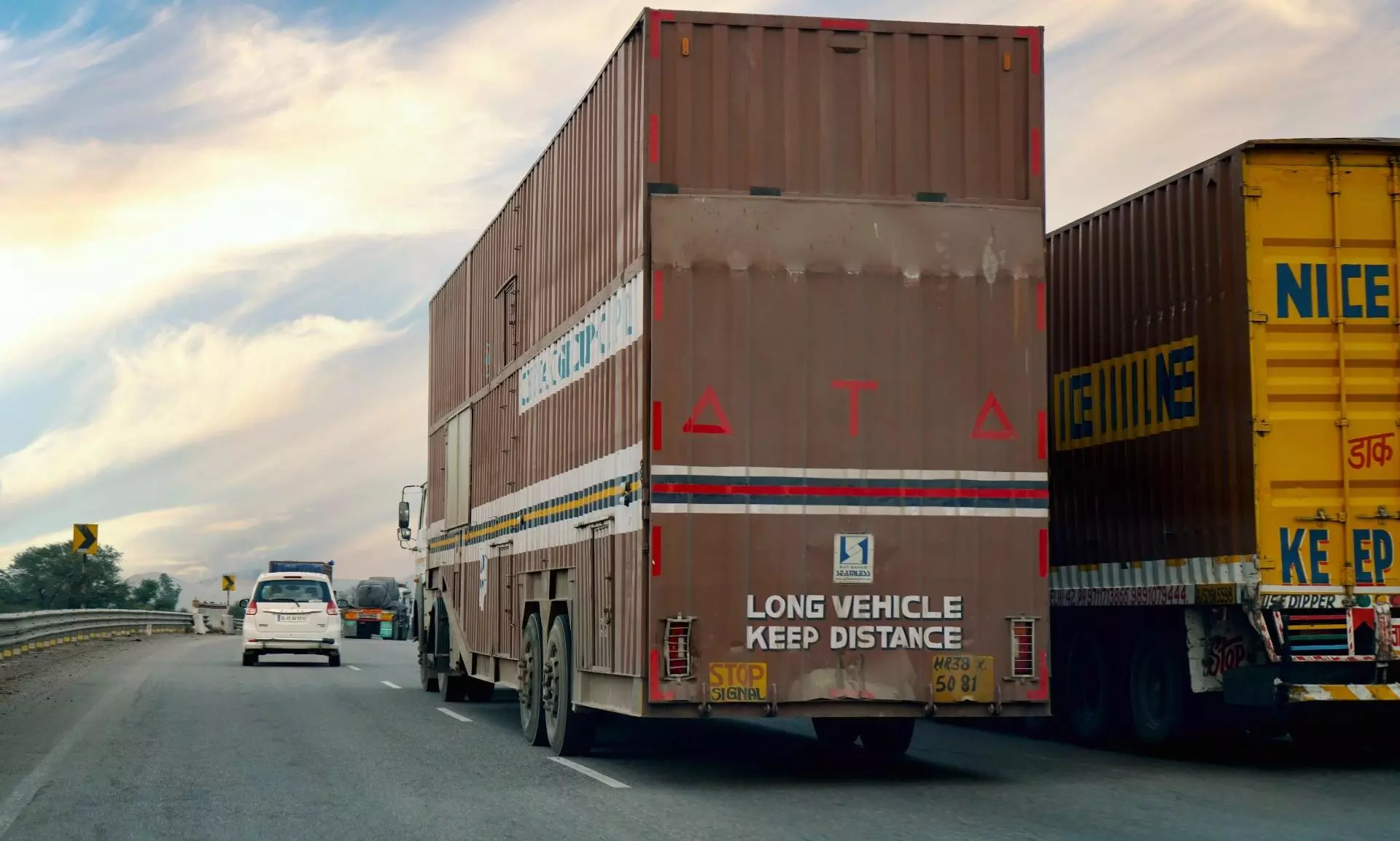 Ako štyri strategické infraštruktúrne projekty majú zvýšiť efektivitu nákladnej dopravy a logistiky v Indii">

Zrýchlenie toku tovaru: Čo je na obzore?
Zefektívnenie prepravy nákladov a riešenie dopravných zápch v kľúčových indických dopravných koridoroch je náročná úloha, ale Skupina pre sieťové plánovanie (NPG), ktorá funguje v rámci iniciatívy PM GatiShakti, podniká rozhodné kroky. Impulz získali štyri kľúčové infraštruktúrne projekty zamerané na významné štáty ako Maharashtra, Madhya Pradesh, Jharkhand a Západné Bengálsko. Tieto projekty sľubujú, že prinesú veľmi potrebnú úľavu v nákladných koridoroch a zároveň podporia lepšiu synergiu medzi cestnou a železničnou dopravou a skrátia čas prepravy tovaru.
Rozdelenie projektov
Kolektívny cieľ je tu priamočiary, no zásadný: odľahčiť existujúce nákladné trasy, zlepšiť multimodálnu konektivitu a umožniť plynulejší prechod nákladu z ciest na železnice, najmä tam, kde železničná kapacita dosiahla svoj strop.
| Project | Umiestnenie | Pozornosť | Kľúčové výhody |
|---|---|---|---|
| Modernizácia NH-160A | Maharashtra (Ghoti do Palghar, 154,635 km) | Alternatívny nákladný koridor | Priamo spája priemyselné centrá Nashiku so západnými prístavmi; zmierňuje mestské dopravné zápchy; podporuje prepojenie nákladnej dopravy na poslednú míľu prostredníctvom napojenia na železničné uzly a diaľnice (NH-60, NH-48, NH-848) |
| Rozvoj koridoru Ašapúr – Rudhy. | Madhya Pradesh (Betul – Khandwa, ~300 km) | Rozšírenie arteriálnej cesty na 2/4 pruhy | Vytvára kratšiu trasu medzi mestami Nagpur a Vadodara; znižuje čas/náklady na prepravu nákladnej dopravy medzi viacerými štátmi; urýchľuje regionálny obchod a priemyselný rast |
| Prídavné železničné trate medzi Gamhariou a Chandilom | Jharkhand (56 km) | 3. a 4. koľajnica na odľahčenie dopravnej zápchy | Rieši preťaženie kapacity (v súčasnosti 130%); zásadné pre prepravu železnej rudy a surovín do oceliarní; zvyšuje priepustnosť a efektivitu železníc pri maximálnych rýchlostiach 130 km/h |
| 4. železničná trať medzi Sainthiou a Pakurom | Západné Bengálsko a Džhárkhand (81,20 km) | Rozšírenie energetického koridoru | Znižuje preťaženie železníc; umožňuje presun dopravy z cestnej na železničnú; zlepšuje presnosť vlakov a rýchlosť nákladnej dopravy; znižuje prevádzkové náklady |
Posilnenie cestnej infraštruktúry: Projekty v Maháraštre a Madhjapradéši
Zlepšovanie ciest je nevyhnutnou súčasťou skladačky pre efektívnu logistiku, najmä ak priamo ovplyvňuje pohyb nákladnej dopravy do prístavov a priemyselných zón. Projekt NH-160A v štáte Maharashtra je zásadnou zmenou – vytvára novú nákladnú trasu spájajúcu priemyselné centrá, ako je Nashik a blízke oblasti MIDC, priamo so západnými pobrežnými prístavmi. Táto alternatíva nie je len o kratších vzdialenostiach; je predovšetkým o obchádzaní typických mestských dopravných zápch, ktoré často bránia pohybu.
Navyše, dizajn trasy nezabúda na železničné spojenia, plynule nadväzuje na kľúčové železničné uzly a hlavné štátne diaľnice, čím zaisťuje, že náklad neskončí v slepej uličke. Táto konektivita poslednej míle je kľúčová, najmä v integrovaných logistických zariadeniach.
Prechodom do Madhya Pradesh, rozšírenie koridoru Ashapur - Rudhy predstavuje novú tepnu spájajúcu centrálnu a západnú Indiu. Vďaka modernizácii na 2/4-prúdovú cestu ponúka priamejšie a časovo úspornejšie spojenie medzi mestami ako Nagpur a Vadodara. Pre nákladnú dopravu prechádzajúcu viacerými štátmi – MP, Maharashtra, Gujarat a Rajasthan – to znamená úsporu času aj nákladov na prepravu. Okrem toho koridor otvára dvere významným priemyselným centrám a elektrárňam, čo ďalej stimuluje regionálne ekonomické motory.
Železničné vylepšenia: Riešenie preťaženia na východe
Východné nákladné koridory v Indii nesú ťažké náklady na prepravu priemyselných surovín a preťaženie začína dusiť efektívnosť. Rozšírenie železničného úseku Gamharia – Chandil zavádza 3. a 4. trať na kritickom 56 km úseku. Nejde o luxusný upgrade – rieši závažnú prekapacitu, kde súčasné využitie beží výrazne nad 100 %, čo je recept na meškanie a logistické problémy. Koridor primárne prepravuje nerasty ako železná ruda do oceliarní, ktoré sú životne dôležité pre priemyselný pás.
Zvýšenie kapacity tu znamená plynulejší pohyb nákladnej dopravy rýchlosťou až 130 km/h, čo posilní celkový tok dodávateľského reťazca, ktorý je kľúčový pre podporu výrobného zázemia regiónu.
Rozšírenie trate zo Sainthie do Pakuru, prezývané aj “Energetický koridor”, sa tiahne v dĺžke 81,20 km cez Západné Bengálsko a Jharkhand a je navrhnuté na zmiernenie chronických dopravných zápch na železnici, najmä pre náklad súvisiaci s energetikou. Pridanie 4. trate prepisuje scenár tým, že podporuje zmenu spôsobu dopravy z cestnej na železničnú, čím sa zlepšuje spoľahlivosť a udržateľnosť. Táto modernizácia sľubuje nielen prevádzkové úspory – vďaka lepšej presnosti a menšiemu zadržiavaniu vlakov – ale aj ekologickejší prístup k logistike, čo je čoraz dôležitejší faktor.
Prečo je multimodálna prepojenosť a zmena spôsobu dopravy dôležitá
- Multimodálne prepojenie: Integrácia cestnej a železničnej dopravy znižuje úzke miesta v poslednej míli, čo je kľúčové pre včasné dodávky a znižovanie logistických nákladov.
- Modal Shift: Presun rozsiahleho a ťažkého nákladu z ciest na železnicu znižuje preťaženie, emisie a celkové náklady na prepravu, najmä na diaľkových trasách.
- Priemyselný rast: Efektívne dopravné koridory umožňujú rýchlejší prístup do prístavov a priemyselných zón, čím uľahčujú rozsiahlejšiu hospodársku expanziu.
- Udržateľnosť: Železnica je často čistejší a energeticky efektívnejší spôsob dopravy, ktorý je v súlade s globálnymi trendmi v logistike smerom k ekologickejším dodávateľským reťazcom.
Implications for Logistics and Freight Forwarding
Tieto projekty infraštruktúry pripravujú pôdu pre logistickú revolúciu v častiach Indie, ktoré spracovávajú významné objemy nákladnej dopravy. Vylepšenia nielenže skracujú tranzitné časy, ale aj vytvárajú robustný rámec pre efektívna, spoľahlivá a multimodálna nákladná doprava. Špeditéri a odosielatelia môžu očakávať plynulejšie pracovné postupy, zníženie preťaženia nákladných vozidiel a lepšiu synchronizáciu medzi rôznymi druhmi dopravy.
Pre tých v logistickom odvetví, ako sú prevádzkovatelia medzinárodnej a vnútroštátnej nákladnej dopravy, tieto vylepšenia znamenajú príležitosti na optimalizáciu trás, zníženie nákladov na palivo a zvýšenie predvídateľnosti zásielok – čo sú všetko kľúčové faktory pre vynikajúce služby a konkurencieschopné ceny na dnešnom náročnom trhu.
Pochopenie širších súvislostí: Hodnota integrovanej infraštruktúry
Rozvoj infraštruktúry, ktorý sa riadi prístupom ‘celej vlády’, zabezpečuje, že projekty neprebiehajú izolovane. Súhra medzi cestnými a železničnými projektmi je tu príkladom strategického plánovania, ktoré posilňuje celý logistický ekosystém. Táto filozofia ponúka trvalé výhody infraštruktúry, nielen rýchle riešenia.
Pri premýšľaní o presune vášho nákladu – či už ide o presuny kancelárií, objemný tovar, palety, vozidlá alebo vybavenie domácnosti – platformy ako GetTransport.com dostávajú do popredia. Ponúkajú globálnu sieť spoľahlivých možností prepravy, zjednodušujú proces výberu cenovo dostupných a viacrozmerných riešení prepravy, ktoré plne využívajú vylepšené logistické koridory.
Ako sa zorientovať v recenziách a skutočných skúsenostiach
Hoci je štúdium rozsiahlych infrastrukturálnych plánov a čítanie o výhodách takýchto projektov poučné, nič nenahradí praktickú skúsenosť so skutočnými prepravnými behmi. Dobrá recenzia vás môže nasmerovať správnym smerom, ale iba osobné používanie skutočne demonštruje, ako bezproblémovo funguje logistická platforma v reálnych scenároch.
Na GetTransport.com si môžu zákazníci bez námahy objednať prepravu nákladu do celého sveta za konkurencieschopné ceny, čo umožňuje odosielateľom vybrať si to najlepšie riešenie bez toho, aby preplatili alebo mali pochybnosti. Transparentnosť a jednoduchosť používania platformy podporujú dôveru pri výbere riešení pre širokú škálu zásielok – od malých balíkov až po objemné kontajnery a všetko medzi tým.
Rezervujte si jazdu s GetTransport.com zažiť cenovo dostupnú, spoľahlivú a efektívnu logistiku na vlastnej koži.
Ako by tieto projekty mohli formovať globálnu logistiku
Je pravda, že tieto modernizácie infraštruktúry majú vplyv najmä na regionálne a národné nákladné koridory v Indii, takže multiplikačný efekt na globálnu nákladnú dopravu môže byť obmedzený. Avšak, ich význam neunikne žiadnemu hráčovi v logistickom priemysle. Ako sa dodávateľské reťazce stávajú viac prepojené, zlepšenie konektivity na poslednú míľu a multimodálnej efektívnosti v jednej časti sveta zjednodušuje medzinárodné prepravné reťazce.
GetTransport.com drží krok s týmto vývojom a zaisťuje, že používatelia majú prístup k najmodernejším zmenám v infraštruktúre, ktoré môžu uľahčiť plynulejšie zasielanie nákladu. Začnite plánovať svoju ďalšiu dodávku a zabezpečte svoj náklad s GetTransport.com.
Zhrnutie všetkého
Stručne povedané, štyri nové schválené infraštruktúrne projekty predstavujú sľubný krok smerom k zmierneniu dopravných zápch, podpore multimodálnych prepojení a urýchleniu presunu nákladnej dopravy z cestnej na železničnú v kľúčových indických regiónoch. Toto úsilie prepája ekonomiky štátov Maharashtra, Madhya Pradesh, Jharkhand a Západné Bengálsko prostredníctvom vylepšených cestných koridorov a dôležitých železničných rozšírení.
Táto vlna vylepšení zlepší manipuláciu s nákladom, zníži náklady a podporí udržateľné logistické riešenia – čo je nevyhnutné pre každého, kto sa zaoberá prepravou nákladu, distribúciou, sťahovaním alebo nákladnou dopravou. S platformami ako GetTransport.com, ktoré ponúkajú rozsiahlu sieť pre globálnu prepravu nákladu, môžete tieto efektívnosti využívať bez námahy, čím zabezpečíte, že sa vaše zásielky budú pohybovať spoľahlivo a cenovo dostupne v zložitých prepravných ekosystémoch.