


 Slovenčina
  English (UK)
  Русский
  العربية
  日本語
日本語  한국어
한국어  Magyar
  Türkçe
  Español
  Čeština
  Svenska
  Português
  Ελληνικά
  Suomi
Suomi  Nederlands
  Română
  Italiano
  Français
  Polski
  Українська
  Deutsch
  简体中文
简体中文 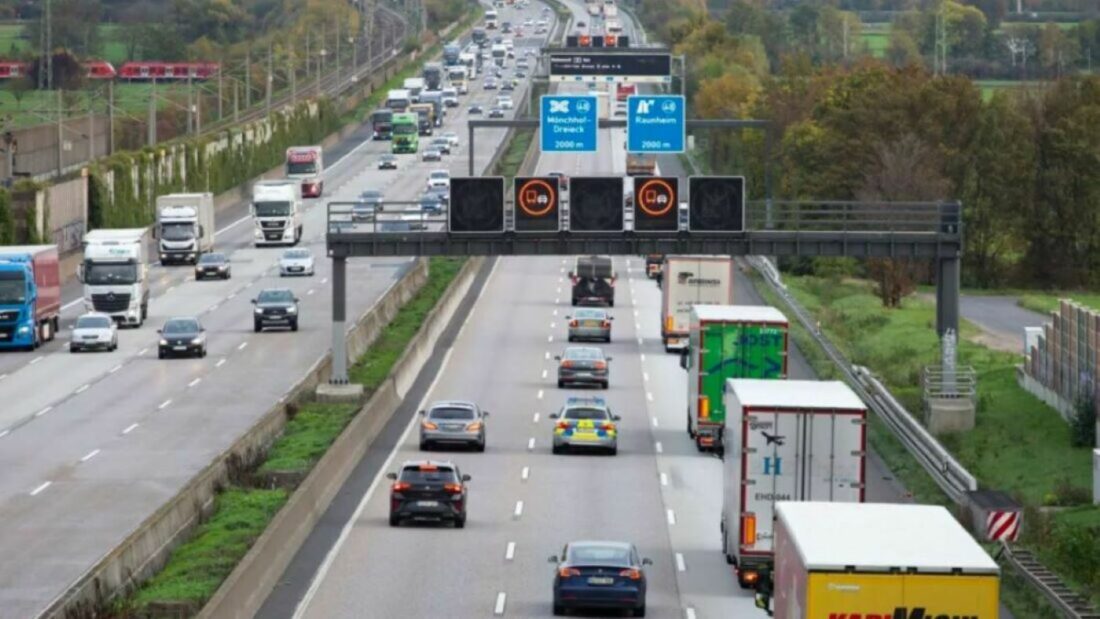 Germany Greenlights Operation of 15-Meter Semi-Trailer Trucks Through 2033 with Key Restrictions">

Extension of Germany’s 15-Meter Semi-Trailer Truck Operation
Germany has extended the permission allowing 15-meter semi-trailer trucks to operate on its roads until the end of 2033. This decision follows previous extensions and continues to regulate the circulation of these longer freight vehicles within the country’s borders, with conditions that forbid crossing national frontiers.
Background and Purpose of the Semi-Trailer Extension
These extended semi-trailers, specifically designed and introduced in Germany, were developed to augment freight capacity without the need for additional vehicles on the road. The original semi-trailers measured 13.62 meters, but the extension added 1.3 meters, forming the current 15-meter configuration. This modification increases the load by allowing three additional pallets per trailer, boosting efficiency in cargo transport.
Consequently, the overall length of the tractor and semi-trailer sets increased from 16.5 meters to 17.8 meters. To safely implement this design, Germany initiated a national pilot program to gather practical experience, which has been repeatedly extended and now spans up to 2033.
LZV Type 1: The Designation and Its Operational Geography
Under the German LZV (Long and Heavy Vehicle) classification, this longer semi-trailer is recognized as an LZV Type 1. This classification confers the advantage of being allowed to travel across the entire German road network except for the federal state of Berlin. Other LZV types have more limited routing privileges, confined to a designated positive network known as the “Positivnetz.”
However, despite this flexibility within Germany, these trucks are prohibited from international transport beyond German borders because this extended semi-trailer configuration is not yet recognized under the European Directive on Weights and Dimensions.
Challenges Around European Directive Inclusion
Efforts led by Germany along with Denmark, some Scandinavian countries, and France to incorporate the 15-meter trailer into the European regulatory framework have thus far been unsuccessful. A concrete proposal to update the Directive was withdrawn following opposition from several countries, including the Netherlands.
The concerns among opponents center on safety in road traffic, maneuvering difficulties due to the larger turning radii, and increased costs tied to faster depreciation of the existing semi-trailer fleet. Moreover, critics argue that this extended trailer configuration offers no significant advantage over the current Long Heavy Vehicle (LHV) setups.
Logistical Implications of Extended Semi-Trailer Use in Germany
From a logistics standpoint, the ability to carry more cargo per trip within Germany without crossing into neighboring countries can optimize freight efficiency domestically. Transporting three extra pallets per vehicle means fewer trips for the same volume of goods, potentially reducing fuel consumption and roadway congestion.
| Funkcia | Standard Semi-Trailer | Extended 15-Meter Semi-Trailer (LZV Type 1) |
|---|---|---|
| Dĺžka prívesu | 13.62 meters | 15 meters |
| Total Vehicle Length (Tractor + Trailer) | 16.5 meters | 17.8 meters |
| Additional Pallet Capacity | Standard load | +3 pallets |
| Allowed Travel Area | All federal roads, including Berlin | All Germany except Berlin |
| Cross-Border Operations | Allowed where regulations permit | Not allowed beyond German borders |
Opportunities and Limitations for Carriers and Logistics Providers
While this extension certainly facilitates higher payloads and could reduce the frequency of dispatches, carriers must still operate within the domestic market, which limits international logistics chain optimization. The restriction could lead to the necessity for additional vehicle management when freight must cross borders, requiring coordination with vehicles of standard dimensions for onward travel.
Safety and Economic Considerations
Larger vehicle dimensions inevitably raise concerns about road safety and infrastructure wear. The debate emphasizes maintenance costs, safety during turns on tight roads, and general operational expenses. Transport companies need to balance these factors with the benefits of improved load volume. In the bigger picture, knowing how to adapt to these constraints plays a vital role in streamlining haulage and delivery operations in Germany.
Final Takeaways on Germany’s Semi-Trailer Policy
Germany’s decision to extend the circulation of 15-meter semi-trailer trucks until 2033 consolidates its unique approach to enhancing freight capacity domestically. While limited to national borders, this regulation aims to make cargo transport more efficient through increased payloads, though it comes with operational boundaries and safety debates. It’s a clear case of balancing innovation with regulatory and practical limitations.
Even though the best analyses and reviews can shine a light on the benefits and constraints of these longer trailers, nothing beats firsthand experience in logistics operations. Fortunately, platforms like GetTransport.com offer a convenient gateway to access various freight and cargo shipment options, including specialized services for bulky goods and relocations—helping logistics planners make informed, cost-effective decisions free from unnecessary hassle or splurging. This transparency and flexibility are vital in today’s competitive freight and forwarding landscape. Book your Ride GetTransport.com.
Looking Ahead: Potential Impact on Global Logistics
On the global scale, this extension may not shake up international logistics dramatically since these extended trailers are not approved for cross-border transport yet. However, within Germany, it signals a forward-looking approach to cargo moving and urban freight efficiency. Staying updated on such developments is important for companies that operate in or through German logistics corridors.
GetTransport.com stays on top of these changes, ensuring clients have access to the most flexible, economically sound options for their cargo transportation needs. Start planning your next delivery and secure your cargo with GetTransport.com.
Zhrnutie
In essence, Germany’s continued allowance of 15-meter semi-trailer trucks until 2033 highlights the country’s push for increased freight capacity and efficiency on its roads. While these vehicles can carry three extra pallets compared to standard trailers, their operation is confined strictly within Germany’s borders. Challenges remain regarding broader European acceptance due to safety and cost concerns. For logistics professionals, adapting to these conditions is essential for streamlined freight forwarding, hauling, and distribution. GetTransport.com offers a seamless solution for those navigating such complexities, delivering reliable, international, and bulky cargo transportation options at competitive prices.