


 Slovenčina
  English (UK)
  Русский
  العربية
  日本語
日本語  한국어
한국어  Magyar
  Türkçe
  Español
  Čeština
  Svenska
  Português
  Ελληνικά
  Suomi
Suomi  Nederlands
  Română
  Italiano
  Français
  Polski
  Українська
  Deutsch
  简体中文
简体中文 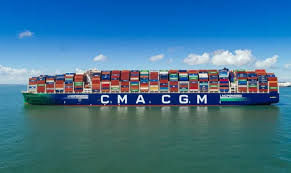 Získanie špeciálnych lodí na LNG vládou oživuje dohodu Cochin Shipyard s CMA CGM">

Government Incentives Light the Way for Specialised Shipbuilding
The Indian government has handed new clarity on what counts as a ‘specialised ship,’ fueling fresh momentum in the shipbuilding sector, especially for vessels powered by dual-fuel engines running on LNG, methanol, or ammonia. This move has a direct impact on Cochin Shipyard Ltd (CSL), positioning it to benefit from enhanced financial assistance as it prepares to build six environmentally friendly liquefied natural gas (LNG)-powered container ships for the French shipping giant CMA CGM.
Defining ‘Specialised Ships’ and Unlocking Financial Aid
Under the newly drafted government guidelines supporting shipbuilding, ships equipped with dual-fuel main engines—running on alternatives like methane-based liquefied natural gas—have officially been classified as specialised vessels. This is monumental because it means shipbuilders like CSL can access an extra 15-25% in government financial aid, a significant boost that sweetens the pot on contract bids.
Specifically, the scheme offers 15% additional assistance on contract values under ₹100 crore and a generous 25% above that threshold. For example, if a specialised ship contract totals ₹300 crore, CSL stands to receive 15% on the first ₹100 crore plus 25% on the remaining ₹200 crore, easing financial pressure and enhancing competitiveness.
Implications for the CMA CGM Contract
This scheme perfectly aligns with the contract signed between CSL and CMA CGM on October 14, 2025, where CSL committed to building six 1,700 TEU (Twenty-Foot Equivalent Unit) LNG-powered container ships. These will be the first of their kind constructed on Indian soil, marking a milestone in not only shipbuilding but also sustainable shipping technologies for regional logistics.
The Specialised Ship Categories Under the New Scheme
The revamped shipbuilding financial assistance scheme categorises 19 types of specialised vessels, with several new additions. The list covers:
- LNG and LPG carrying vessels
- Passenger vessels with over 500-passenger capacity under MS Act/SOLAS
- Chemical tankers and various offshore platforms (floating production, storage, offshore drilling rigs)
- Special purpose ships such as cable laying, wind turbine service vessels, hybrid and green vessels
- Vessels equipped with dual-fuel main engines, including those powered by methanol or ammonia
- Diving support vessels equipped with a moonpool (a vertical hull shaft connecting the deck and sea for diving operations)
This comprehensive approach pushes the envelope in the maritime industry, encouraging innovation and cleaner solutions that ultimately trickle down to better global logistics practices.
Financial Assistance Tied to Domestic Content and Timely Delivery
One interesting condition that emerges from the guidelines is the link between the financial aid and domestic content in ship construction. If a vessel uses less than 30% Indian-origin components or services, it becomes ineligible for financial aid altogether. Partial aid is granted progressively from 30% to below 40% domestic content, and full aid if domestic content reaches 40% or more.
Timelines matter too. For non-specialised vessels, ships must be delivered within four years of contract signing, while specialised vessels get an extended period of up to six years to meet the deadline. This fosters a healthy balance between quality, innovation, and project management efficiency in India’s shipbuilding industry.
How This Development Ripples Into Global and Domestic Logistics
| Aspekt | Impact |
|---|---|
| Domestic Shipbuilding Growth | Boosts India’s capacity to build high-tech, green vessels, encouraging innovation and job creation. |
| Environmental Advances | Fosters cleaner fuel alternatives in shipping, reducing carbon footprint and aligning with sustainability trends. |
| Efektívnosť nákladov | Financial assistance reduces production costs, enabling competitive pricing for Indian-built vessels on the global stage. |
| Globálna dynamika lodnej dopravy | Increases share of large container ships equipped for dual-fuel in vital trade routes, influencing freight patterns and logistics chains. |
| Logistics & Freight Forwarding | Enhanced availability of specialised vessels improves reliability and options in sea cargo dispatch, benefiting global supply chains. |
What It Means for Shipping Companies and the Logistics Industry
The impact of these specialised ships isn’t just confined to the shipyards; it cascades down to shipping companies looking to modernise fleets with greener, fuel-flexible vessels. Such a transition promises more efficient freight delivery with lower emissions, a huge win for the environment-conscious logistics market. Plus, the upshot of more shipbuilding at competitive prices adds muscle to India’s position as a growing maritime hub.
Key Takeaways and Beyond
The clear government policies on ‘specialised ships’ and the accompanying financial incentives are vital for accelerating India’s leap into modern shipbuilding, marking the CSL-CMA CGM contract as a flagship example. It propels not only technological advancement and economic growth in ship production but also positively reshapes global logistics by facilitating sustainable and specialized maritime transport.
The Real Deal: Why Personal Experience Still Counts
All the policies and financial perks in the world could set the stage, but the actual proof is in the pudding—seeing these specialised vessels perform in real operations is the true litmus test. Reviews and official data offer guidance, but nothing beats firsthand insight when choosing partners for complex logistics or freight delivery needs.
Luckily, platforms like GetTransport.com empower businesses and individuals alike to tap into an extensive network of cargo transport services worldwide. Whether it’s office relocation, shipping bulky goods, vehicle haulage, or container deliveries, users find reliable, affordable solutions that match their needs.
By enabling transparent comparison of prices and services globally, GetTransport.com helps customers steer clear of overpriced deals or logistical surprises. The convenience and variety it offers perfectly align with the current environment where specialised shipping contracts like CSL’s hint at a broader revolution in transport technology and supply chain fluidity. Book your ride and get the best offers at GetTransport.com.
Looking Ahead: The Logistics Horizon and Government-Backed Innovations
While this specific government support might not immediately alter global logistics at a macro scale, it undeniably resonates within the Indian maritime industry and its extended supply chains. As more specialised, dual-fuel vessels come online, shipping firms and freight forwarders will benefit from diversified fleets and improved fuel economics.
GetTransport.com keeps its finger on the pulse, recognising how such developments foster innovation and sustainability in cargo transport, striving to support customers with the best tools and connections for efficient, cost-effective logistics. Start planning your next delivery and secure your cargo with GetTransport.com.
Zhrnutie
The government’s classification of LNG-powered dual-fuel vessels as ‘specialised ships’ and the clear financial incentives tied to this status have catalysed an important shipbuilding contract between Cochin Shipyard Ltd and CMA CGM. This initiative not only boosts India’s domestic shipbuilding industry but also champions environmental innovation through cleaner maritime technology.
Such progress extends its influence to global shipping and logistics by encouraging efficient, reliable vessel designs that can reshape freight, dispatch, and cargo handling. Platforms like GetTransport.com dovetail with this narrative, offering users worldwide an accessible, transparent hub for diverse logistics needs—be it large bulky transports, container shipments, or regular house moves.
Ultimately, the synergy between government policy, shipbuilding advances, and logistic services empowers a smoother, smarter international freight ecosystem ready for future challenges.