


 Slovenčina
  English (UK)
  Русский
  العربية
  日本語
日本語  한국어
한국어  Magyar
  Türkçe
  Español
  Čeština
  Svenska
  Português
  Ελληνικά
  Suomi
Suomi  Nederlands
  Română
  Italiano
  Français
  Polski
  Українська
  Deutsch
  简体中文
简体中文 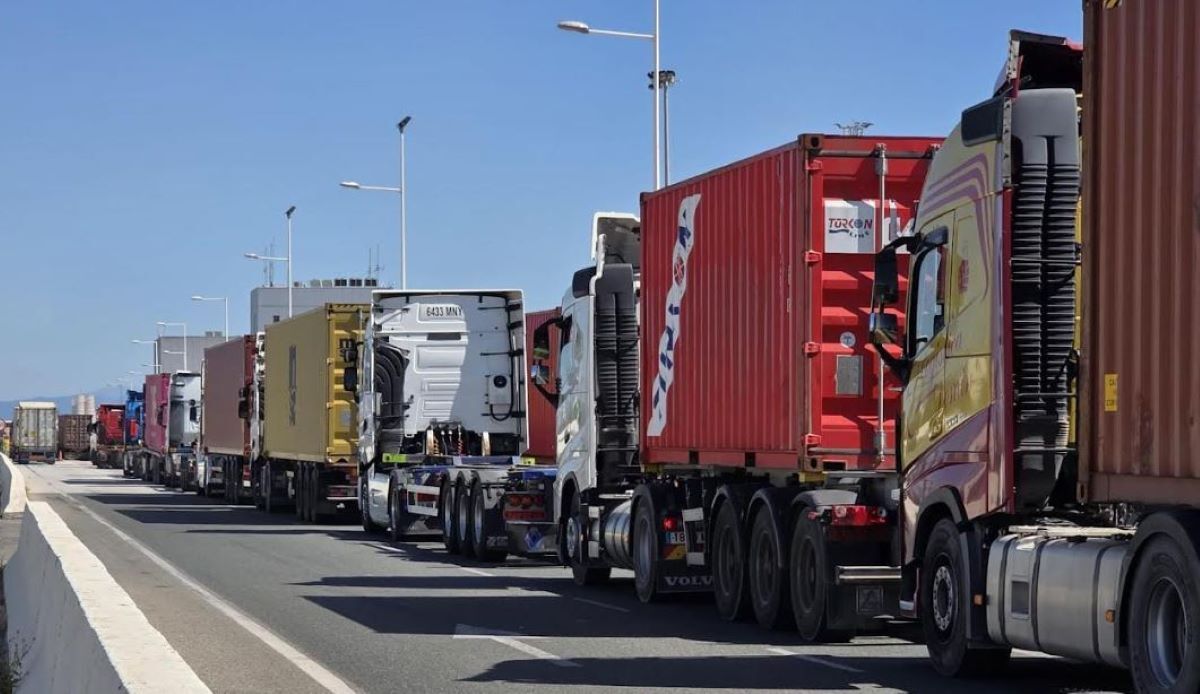 Key Insights into the 44-Tonne Rule and Mass-Dimension Reforms for Intermodal Freight Transport">

New Mass Regulations for Intermodal Transport: Decoding Exceptions
The evolving landscape of freight transport includes important updates to the permissible mass limits, especially concerning intermodálna doprava. Intermodal transport refers to the movement of goods using multiple modes, such as road, rail, or sea, without handling the cargo itself when switching modes. Understanding the legal exceptions for intermodal mass limits is vital for efficient logistics management.
What Qualifies as Intermodal Transport?
Intermodal transport encompasses:
- Operations combining transport modes that involve carrying one or more containers or swap bodies up to 45 feet in length, as defined by regulatory frameworks.
- Transport leveraging waterways or maritime routes combined with road segments that do not exceed 150 km within the EU territory, ensuring accessibility to appropriate intermodal terminals.
Specific vehicle configurations are eligible for increased maximum authorized mass (MAM), with some combinations allowed up to 46 tonnes under intermodal conditions.
Vehicle and Mass Limits by Configuration
| Typ vozidla | Maximum Authorized Load (Tonnes) | Poznámky |
|---|---|---|
| Four-axle articulated trucks | 38–40 | Dependent on suspension and axle spacing; axle overloads must be avoided |
| Articulated combinations (2+3 or 3+2 axles) | 46 | Conditioned by vehicle certification values (≥46,000 kg M.T.M.R.) |
| Road trains (2+2 axles) | 38 | Subject to specific axle load values (F.3 and O.1.3) |
| Road trains (2+3 axles) | 44 | Certification requirements as above |
| Road trains (3+2 or 3+3 axles) | 46 | Must meet certification standards (≥46,000 kg M.T.M.R.) |
Interpreting the 2-Tonne Mass Allowance and 46-Tonne Maximum
An important question is under what circumstances transportation exceeds the current maximum authorized mass by 2 tonnes, reaching up to 46 tonnes. This applies specifically when road transport occurs for containers or swap bodies of 20 feet or longer involved in maritime transport over EU member states, respecting certain route limits:
- Road segments must lie between the cargo loading point and the nearest suitable railway terminal for either embarkation or disembarkation.
- Road segments cannot exceed 150 km as the crow flies from the port of maritime or inland waterway loading/unloading.
However, these allowances face practical limitations posed by international directives, such as Directive 96/53/EC concerning vehicle weights and dimensions across EU borders, which keeps the upper mass limits in check.
Challenges in Distance and Terminal Definitions
There are areas of ambiguity in the regulations, especially around the allowed road distances linking rail terminals and ports, due to wording that can imply unrestricted distances in legal texts. Logically, however, the 150 km limit should still apply. Furthermore, the precise definition of an “appropriate transport terminal” for intermodal exchanges remains unclear, leading to a need for clearer guidance from regulatory authorities.
Limitations on Mass Allowances in International Combined Transport
For international combined shipments, the regulations restrict the maximum allowable mass for intermodal vehicles in cross-border transport. Specifically:
- Mass limits of 44 tonnes or less apply when containers have destinations within EU member states or third countries.
- Road trains in international combined transport are capped at 40 tonnes MAM.
These restrictions keep the playing field level and maintain infrastructure safety but can complicate transport planning for cross-border logistics.
Summary of Key Mass and Vehicle Compliance Factors
To legally operate at the 46-tonne mass limit in intermodal transport, operators must carefully assess several technical parameters:
- F.3 certification value in the tractor unit — must be 46,000 kg or above.
- Weight distribution factors like F.2 and F.2.1 to prevent axle overloads across both tractor and semi-trailer vehicles.
- Compliance with axle load limits and European Union transport regulations for international shipments.
Impact on the Logistics and Freight Industry
These evolving mass and dimension rules have a direct impact on logistics strategy. For example:
- Transport operators must select suitable vehicle combinations certified for higher MAM to optimize payload.
- Intermodal routes need careful planning to respect distance and terminal criteria to benefit from weight exceptions.
- Compliance with varying international regulations demands real-time navigation of complex legal frameworks, influencing routing and fleet choice.
These factors overall influence freight costs, efficiency, and sustainability in supply chains, especially when integrating road, rail, and maritime transport modes.
In a Nutshell: Weighing Up the 44-Tonne and Intermodal Transport Reforms
| Topic | Essential Point |
|---|---|
| Intermodal Transport Definition | Use of combined modes with containers or swap bodies max 45 feet, respecting EU road segment length limits. |
| Mass Limits | Max 44 tonnes generally, with possible increase to 46 tonnes under specific configurations and conditions. |
| Vehicle Configurations | Multiple axle combinations allowed with certification; avoid axle overload. |
| Legal and Technical Restrictions | Constraints from Directive 96/53/EC limit international operations above set masses. |
| Operational Challenges | Unclear regulations on terminal definition and certain road distances require regulatory clarification. |
While these regulations set the framework, nothing beats personal experience in understanding what works best on the road and across borders. Sometimes, the real-world operational challenges don’t perfectly align with the neat definitions on paper. That’s where services like GetTransport.com step in, offering a flexible platform to coordinate cargo transport efficiently. With access to competitive pricing and diverse transport options—be it home or office relocations, vehicle transportation, or shipping bulky cargo—GetTransport.com simplifies logistics by matching reliable carriers to your unique shipment needs worldwide. You get transparency, affordability, and peace of mind without the headache of legal intricacies. Rezervujte si jazdu s GetTransport.com to navigate these complexities seamlessly.
Forecasting the Impact on Global Logistics
On a global scale, these regulations may not cause seismic shifts, but they do underline the importance of understanding regional nuances in freight transport legislation. For platforms like GetTransport.com, staying ahead of such updates means being able to offer transport solutions that meet the latest legal requirements, enhancing reliability and customer satisfaction. As freight operators adjust to these norms, the logistical emphasis will shift towards optimizing vehicle configurations and improving intermodal route planning. Začnite plánovať svoju ďalšiu dodávku a zabezpečte si náklad s GetTransport.com.
Záver
Mass and dimension reforms, including the 44-tonne rule and its intermodal transport exceptions, are shaping how freight moves across Europe and beyond. Understanding allowable weights, vehicle configurations, and legal limits is vital for efficient logistics and compliance. These changes influence operational decisions, from vehicle selection to route mapping and intermodal connections, affecting the entire supply chain’s profitability and sustainability. Services like GetTransport.com shine in this context by providing cost-effective, reliable, and flexible cargo transportation solutions tailored to the complexities of modern freight forwarding. Whether handling pallets, bulky shipments, or full container loads, GetTransport.com makes global dispatch and haulage straightforward and accessible.