


 Slovenčina
  English (UK)
  Русский
  العربية
  日本語
日本語  한국어
한국어  Magyar
  Türkçe
  Español
  Čeština
  Svenska
  Português
  Ελληνικά
  Suomi
Suomi  Nederlands
  Română
  Italiano
  Français
  Polski
  Українська
  Deutsch
  简体中文
简体中文 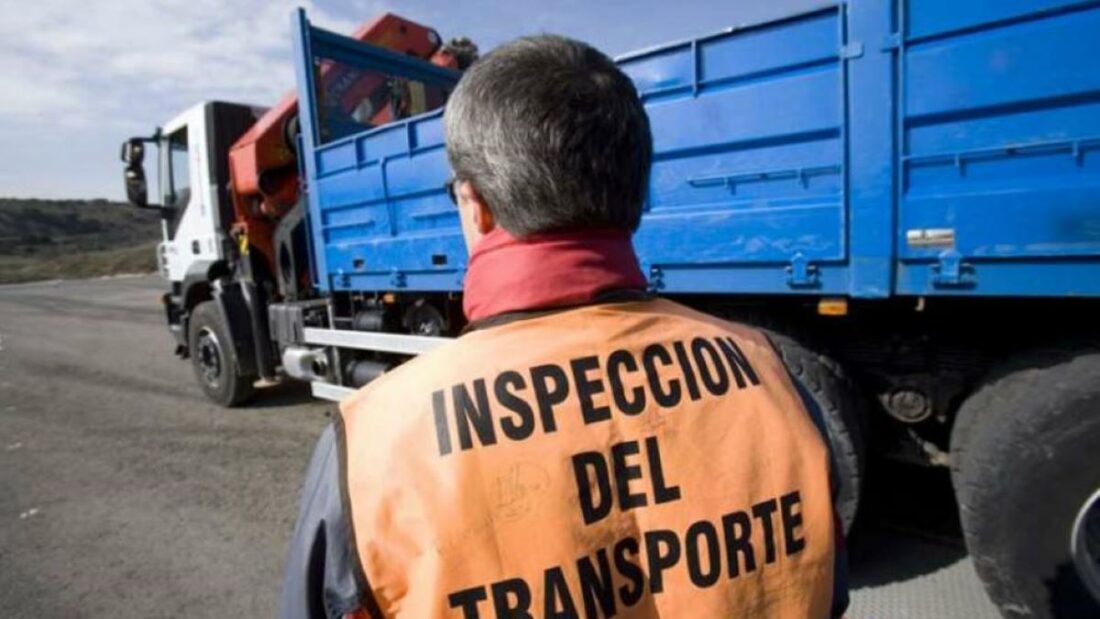 Key Focus Areas of the 2026 National Transport Inspection Plan: Weights, Digital Documents, and Intelligent Tachograph Technology">

Overview of the 2026 National Transport Inspection Plan
The upcoming National Transport Inspection Plan for 2026 aims to strengthen oversight in the road transport sector by focusing on new weight regulations, digital documentation, and the adoption of smart tachographs for both heavy and light vehicles. This comprehensive plan backs stricter enforcement to enhance compliance and operational transparency.
Core Inspection Priorities for Road Transport
The Ministry of Transport has emphasized several pivotal objectives for the upcoming year. One of the main priorities is controlling adherence to the 44-ton maximum vehicle weight limit, which came into effect this past October, with tanker vehicles subject to these rules starting in late January. Another key priority is the mandatory use of digital transport documents to be enforced from October 5, 2026.
Furthermore, the rollout of second-generation digital tachographs, initially required for heavy vehicles engaged in international transport from 2025 and to be extended to light vehicles by mid-2026, will also be a focus of inspection efforts. These technologies are expected to enhance the precision of transport activity monitoring and compliance verification.
Weight Control and Its Enforcement
The regulation around the 44-ton weight limit carries zero tolerance for any load surpassing the maximum technically permissible weight of the transport vehicle. Margins of tolerance, as set in the current penal framework under the transport law, will no longer apply once these maximum weights are exceeded, signaling the government’s intent to clamp down firmly on overloads.
| Aspekt | Podrobnosti na | Dátum účinnosti |
|---|---|---|
| Maximum weight limit | 44 tonnes for general vehicles; tankers effective from Jan 23, 2026 | October 23, 2025; January 23, 2026 (tankers) |
| Digital transport document | Mandatory use for all road transport activities | October 5, 2026 |
| Smart digital tachograph | Second generation deployment for both heavy and light vehicles | From 2025 for heavy, July 2026 for light vehicles |
Combatting Late Payments and Unfair Competition
Alongside regulatory controls, the plan maintains a sharp focus on tackling payment delays, which remains the most frequent grievance among carriers. The Ministry reports progress in significantly reducing average payment times by nearly 30 days over the past three years—recognition that has reached European policy discussions as a benchmark for wider application beyond the transport sector.
The inspection will continue to clamp down on companies set up in low-cost countries primarily to skirt fair competition rules, a practice known as “company delocalization.” To address this, close cooperation with labor inspection agencies and cross-border data sharing through European Union systems will be intensified.
Loading and Unloading Restrictions Under Scrutiny
The enforcement of the prohibition on loading and unloading activities in transport centers and logistic platforms remains on the agenda. Recent surveys of over 750 transport professionals indicate that while most claim compliance above 70%, about 30% perceive regular breaches. This discrepancy is prompting targeted inspection initiatives to ensure full observance of existing regulations.
Summary of Key Inspection Targets
- 44-ton transport weight limits: strict enforcement with no tolerance for overload.
- Digital transport documents: mandatory implementation across the sector.
- Smart tachographs: adoption of advanced monitoring technology for payload and driving times.
- Payments and competition: ongoing battle against late payments and unfair practices.
- Loading operations: crackdown on unauthorized loading/unloading in designated zones.
Encouraging Industry Participation and Transparency
The Ministry encourages transport operators to utilize the anonymous reporting portal available on its website. This tool aids in identifying breaches and focusing inspection resources on the most critical issues affecting the industry.
The finalization of the Inspection Plan for 2026 involves input from national road transport associations, regional authorities, and highway enforcement agencies, ensuring a well-rounded approach to regulation and compliance.
Why This Matters in Logistics and Freight Transport
Enforcing weight limits and digitizing documentation streamlines freight operations, reducing bottlenecks and disputes in cargo deliveries. Smart tachographs contribute to safer and more transparent transport, cutting down unauthorized operation hours and enhancing driver welfare. The crackdown on unfair competition and payment delays improves market fairness, encouraging reliable carriers to thrive.
For logistics providers and freight forwarders, adapting to these regulatory changes means a smoother flow of goods, fewer legal snags, and better predictability in shipment planning. Operators of bulky cargo, vehicles, and large freight consignments will find these updates particularly impactful.
Inspection Plan Highlights and the Value of Firsthand Insight
While reviews and reports can paint a robust picture of the observational focus for 2026, nothing beats firsthand experience. Transport professionals can test these changes directly through real-life operations and witness the effectiveness of these measures in improving freight flow and industry standards.
GetTransport.com offers an excellent solution for those in search of affordable, global transport options, whether it’s office relocations, home moves, or handling large freight and vehicle shipments. The platform’s vast transport network and user-friendly experience enable customers to engage services that meet evolving compliance norms without breaking the bank.
The transparency and convenience of GetTransport.com empower shippers to make well-informed decisions, enjoying a variety of affordable and reliable options tailored to their unique cargo, shipment, and haulage needs. Rezervujte si jazdu na GetTransport.com today.
Pozícia vpred: Dopad na globálnu logistiku
While this inspection plan is primarily national, it reflects a broader global trend toward digitalization, tighter compliance, and enhanced transparency in transport logistics. Such initiatives pave the way for more integrated and efficient international freight systems, encouraging other countries to adopt similar measures in the future.
For logistics professionals, staying ahead of these changes is crucial. GetTransport.com aligns with this progressive landscape, ensuring users have access to the best in class freight, parcel, and bulky goods transport services while meeting the strict requirements of modern freight delivery.
Začnite plánovať ďalšiu dodávku a zabezpečte si náklad so službou GetTransport.com.
Záver
The National Transport Inspection Plan for 2026 brings into sharp focus critical areas shaping the future of road freight: from enforcing the 44-ton weight limits and mandatory digital documentation to modern smart tachographs enhancing operational oversight. Tackling late payments and unfair competition also ranks high in the agenda, highlighting the government’s commitment to a fairer, safer, and more transparent transport sector.
For the logistics industry, these changes represent both challenges and opportunities – improving compliance and safety measures while streamlining cargo forwarding and haulage operations. Platforms like GetTransport.com stand out by offering reliable, cost-effective transport solutions worldwide, ideally suited for these evolving regulatory demands.
In this fast-moving scenario, embracing digital tools and compliance is no longer optional but essential. GetTransport.com simplifies the complexity of moving goods across borders and cities, supporting movers, couriers, and freight operators alike with seamless, transparent services for all kinds of shipments and deliveries.