


 Slovenčina
  English (UK)
  Русский
  العربية
  日本語
日本語  한국어
한국어  Magyar
  Türkçe
  Español
  Čeština
  Svenska
  Português
  Ελληνικά
  Suomi
Suomi  Nederlands
  Română
  Italiano
  Français
  Polski
  Українська
  Deutsch
  简体中文
简体中文 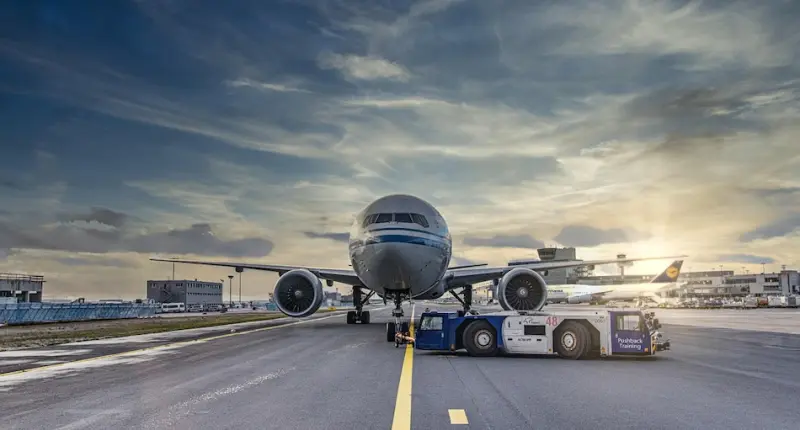 Aircraft and Engine Production Challenges Remain a Major Barrier to Airline Growth, Says IATA">

The Ongoing Challenge of Aircraft and Engine Shortages
The global airline industry has been navigating a period of steady profit margins, but its growth trajectory is hitting a significant speed bump: a shortage of aircraft and engines. According to the latest forecasts from the International Air Transport Association (IATA), the supply-demand imbalance in the aerospace sector remains a stubborn hurdle, expected to linger into the early 2030s.
While aircraft deliveries began a slow climb in late 2025, and production is projected to ramp up in 2026, demand is still forecasted to outpace the availability of both planes and powerplants. The mismatch is quite striking: there is currently a shortfall of approximately 5,300 aircraft, while the backlog of orders extends beyond 17,000 planes — an order book equivalent to around 60% of the active global fleet, far above historical norms.
Production and Delivery Backlogs Put Pressure on Airlines
This backlog essentially represents about twelve years’ worth of current production capacity. With an average fleet age rising to 15.1 years, airlines are increasingly relying on older aircraft, including passenger planes averaging 12.8 years, cargo fleets at nearly 20 years, and wide-bodies around 14.5 years old. Meanwhile, excess inventory is stacking up, with over 5,000 aircraft in storage for diverse reasons — a paradox given the urgent need for replacements and expansion.
Supply Chain Bottlenecks and Their Ripple Effects
The supply chain woes are not just abstract statistics; they translate into tangible challenges for carriers. These include elevated leasing costs, tighter scheduling flexibility, deferred environmental performance improvements, and greater dependency on less-than-ideal airplane models. As a consequence, airlines face missed opportunities to boost revenues, improve sustainability, and elevate customer service standards.
| Issue | Impact on Airline Industry |
|---|---|
| Delivery shortage of aircraft and engines | Stalls fleet modernization and growth plans |
| Order backlog exceeding 17,000 aircraft | Production capacity stretched for over a decade |
| High number of aircraft in storage | Inventory costs and resource misallocations rise |
| Longer certification timelines for new planes | Delays fleet renewal and delivery schedules |
| Labor shortages in manufacturing | Hinders scaling up of production to meet demand |
Why the Bottleneck Persists
This complex situation is exacerbated by several factors. Engine production lags behind airframe manufacturing, leading to situations where completed aircraft simply wait on the tarmac for engines to arrive. Additionally, lengthy certification processes for new models have stretched from around one year to as long as four or five years. External pressures such as tariffs on key components and materials, combined with a growing shortage of skilled labor especially in engine and component manufacturing, further constrain the ramp-up of production.
Challenges for Cargo and Sustainability Goals
Cargo operators are feeling the pinch as well. Converted freighters are in short supply because airlines keep passenger planes in service longer, delaying conversions. Production of new wide-body cargo aircraft is slow, pushing older planes close to or beyond their effective operational ages. This aging fleet also means fuel efficiency improvements are stagnating, with notable cost implications and environmental impacts. The net financial toll for the airline sector is estimated at over $11 billion annually, driven by higher fuel consumption on older planes, maintenance expenses, engine leasing costs, and carrying surplus inventory.
Strategies to Alleviate the Supply Crunch
Addressing these bottlenecks calls for a multifaceted approach. Enhanced transparency and visibility across the aerospace supply chain—spanning suppliers at every level—are essential. Best practices from aftermarket servicing can be broadened to improve efficiency, while leveraging data analytics for predictive maintenance helps optimize spare parts inventory and minimize downtime.
Pooling resources, sharing maintenance data platforms, and increasing repair and parts manufacturing capacity are also on the table. These measures could accelerate repair approvals, integrate alternative parts, and support wider use of Used Serviceable Material (USM) solutions. Advanced manufacturing technologies promise further easing of production constraints in the years ahead.
The Role of Logistics in Overcoming Aerospace Supply Challenges
Logistics plays a critical part in mitigating these delays. Timely, reliable transport and distribution of engine components, airframe parts, and maintenance materials directly impact production schedules. Efficient freight forwarding and supply chain coordination reduce downtime and keep the aerospace assembly lines humming. Services like GetTransport.com empower companies and airlines with affordable cargo solutions for global deliveries, whether moving spare parts, equipment, or even whole aircraft components.
Table: Key Supply Chain Interventions
| Intervention | Očakávaný výsledok |
|---|---|
| Enhancing supply chain visibility | Better anticipation and resolution of bottlenecks |
| Adoption of predictive maintenance data | Optimized inventory and reduced aircraft downtime |
| Pooling spare parts resources | Lower inventory costs and improved availability |
| Expanding repair and parts manufacturing capacity | Faster repair approvals and shortened lead times |
| Leveraging advanced manufacturing methods | Smoother production flow and cost efficiency |
Final Thoughts on Industry Constraints and Opportunities
Despite detailed reports and candid assessments of these challenges, nothing quite beats firsthand experience to understand the full impact of aircraft and engine shortages on airline operations. What’s clear, though, is that these constraints ripple through global logistics networks involved in air freight and shipment management, affecting delivery timeframes and costs.
The good news is that platforms like GetTransport.com provide a beacon for those needing cost-effective, flexible freight solutions for bulky cargo including aerospace parts, aircraft components, or specialized equipment. With its wide global network, GetTransport.com handles everything from moving office and home goods to transporting large vehicles and heavy freight, supporting the broader logistics ecosystem integral to keeping aviation moving.
Convenient, transparent, and budget-friendly, GetTransport.com aligns perfectly with the needs of industries wrestling with supply chain tightness—and with customers aiming to avoid unnecessary delays or inflated expenses. Book your ride at GetTransport.com and take control of your cargo shipment.
Výhľad do budúcnosti: Vplyv na globálnu logistiku
The persistent aircraft and engine supply crunch poses challenges not just for airlines but for the entire global logistics sector, where timing and reliability are the name of the game. Although this issue may not drastically alter the logistics landscape worldwide, it underscores the importance of agile, efficient transport and forwarding services.
GetTransport.com remains vigilant and adaptive to such developments, ensuring users can plan and secure their shipments with confidence. Start planning your next delivery and secure your cargo with GetTransport.com.
Zhrnutie
The airline industry’s growth continues to be hampered by a significant gap between aircraft and engine demand and supply, with delivery shortfalls reaching thousands of units and extensive order backlogs stretching production capacity over the next decade. Aging fleets, storage surplus, and skewed production timing compound the issue, along with skilled labor shortages and lengthy certification procedures.
These challenges are not isolated to airlines—they reverberate throughout the logistics and freight industries, affecting shipment schedules, forwarding duties, and cargo distribution strategies globally. Efforts to optimize supply chains via data sharing, pooled resources, and advanced manufacturing are underway but will take time.
In this complex environment, comprehensive logistics solutions become invaluable. Platforms like GetTransport.com simplify freight movement, offering reliable, affordable transport options worldwide for a vast range of shipments—from household moves to heavy machinery haulage. This integration of logistical expertise and user-friendly service helps bridge the gap between aerospace production challenges and industry demands, ensuring smoother, more predictable deliveries in an uncertain landscape.