


 Slovenčina
  English (UK)
  Русский
  العربية
  日本語
日本語  한국어
한국어  Magyar
  Türkçe
  Español
  Čeština
  Svenska
  Português
  Ελληνικά
  Suomi
Suomi  Nederlands
  Română
  Italiano
  Français
  Polski
  Українська
  Deutsch
  简体中文
简体中文 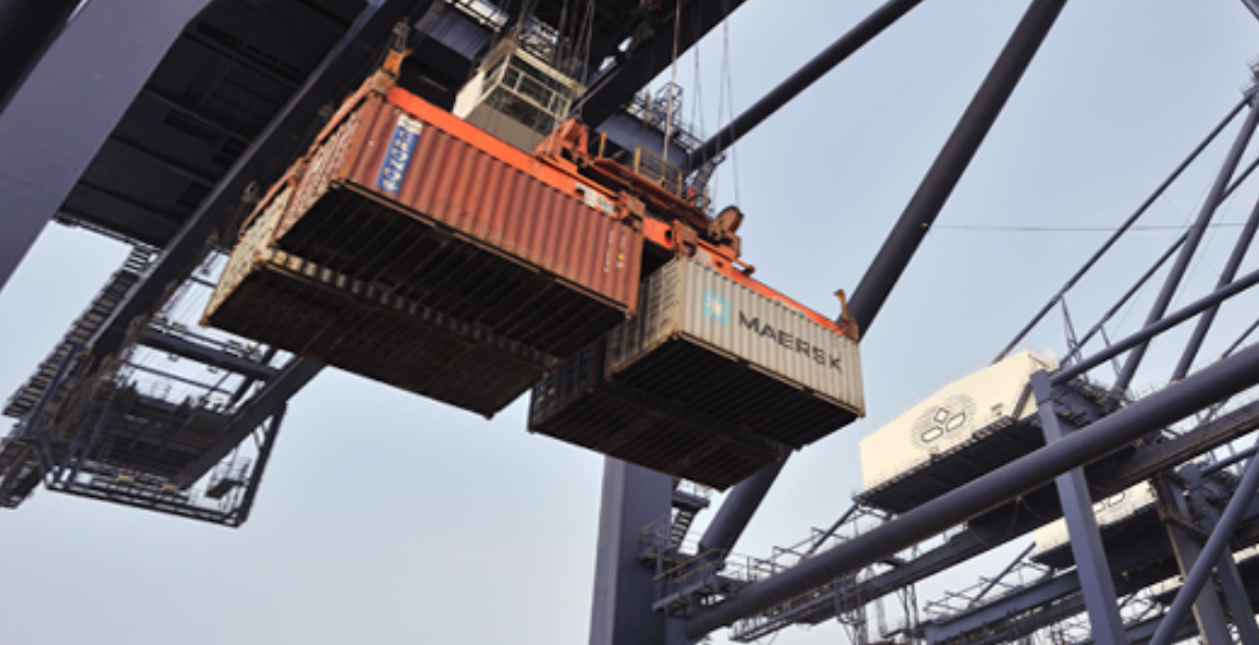 China Insists on Controlling Stake in Panama Canal Ports Amidst $22.8 Billion Global Port Asset Sale">

The Stakes Behind the Panama Canal Ports Sale
The ongoing negotiations over the sale of CK Hutchison Holdings’ extensive portfolio of 43 global port facilities have hit a significant roadblock. The central point? China’s government-backed shipping giant, Cosco, is demanding a controlling interest as a prerequisite to moving forward with the acquisition, particularly focusing on the prized Panama Canal terminals at Cristobal and Balboa. This move escalates the strategic significance of these ports and adds complexity to a deal valued at a hefty $22.8 billion.
Overview of the Blocked Sale
- The sale involves port operations in Panama as well as 40 other locations worldwide.
- Cosco, a state-owned Chinese shipping line, insists on a majority stake, effectively seeking to steer operations.
- Negotiations reportedly stalled after this demand, despite earlier agreements among other investors.
Adding to the friction, China blocked the sale initially in April, signaling a formal review process that has since delayed the transaction. This has shed light on the strategic weight that Panama’s ports carry in the maritime logistics landscape.
Understanding Panama Canal’s Strategic Logistics Importance
For over a century, the Panama Canal has been the linchpin of global shipping—cutting transit time dramatically by linking the Atlantic and Pacific Oceans. Around 132.5 million long tons of cargo passed through its locks in recent years, serving some of the busiest trade routes like those between East Asia and the U.S. East Coast.
The canal’s significance ripples through the entire freight and logistics ecosystem:
- Global supply chains rely heavily on this shortcut to accelerate shipment times.
- Its corridors support a huge volume of container shipping, crucial to international trade.
- Port operators here wield substantial control over freight distribution across the Americas and beyond.
Table: Panama Canal Port Facilities in Focus
| Port Terminal | Umiestnenie | Role in Global Shipping |
|---|---|---|
| Cristobal | Atlantic side, Panama | Key transshipment hub for Atlantic-Pacific routes |
| Balboa | Pacific side, Panama | Major container handling for Pacific-bound cargo |
Market Players and the Negotiation Stalemate
Prior to the impasse, U.S. investment firm BlackRock and Mediterranean Shipping Company (MSC) had locked in deals to jointly purchase Hutchison’s assets and had agreed to offer Cosco an equal share. But Cosco’s push for full controlling interest stirred complications. Industry voices suggest such a move represents China’s strategic attempt to bolster its footprint in global shipping infrastructures.
This tug-of-war reflects how control over pivotal cargo hubs shapes power in international logistics, influencing not only shipping lines’ operational strategies but also freight forwarding and distribution networks worldwide.
Summary of Key Negotiation Points
- BlackRock and MSC offered contractual shares to Cosco.
- Cosco’s insistence on controlling stake halted progress.
- U.S. interests remain cautious about expanding China’s influence in critical global ports.
What This Means for Global Shipping and Logistics
Port ownership isn’t just about docks and cranes — it’s a chessboard of economic and strategic moves that affect freight flows worldwide. With China’s rising interest in Panama’s ports, shippers and logistics providers face a scenario that could reshape freight corridors, operational policies, and competitive balances. For the global shipping industry, the question isn’t just about who owns what, but who controls the ever-crucial nodes where freight is transferred, delayed, or expedited.
For businesses and logistics planners, anticipating shifts in control of such hubs means preparing for potential changes in shipment routing, delivery timings, and costs. These factors cascade down to impact everything from container dispatch schedules to bulky cargo handling and international freight forwarding agreements.
Hlavné body vplyvu logistiky
- Possible re-routing of freight to avoid political or operational uncertainty at China-influenced ports.
- Changes in port handling fees or service terms affecting cargo throughput economics.
- Potential shifts in customs or operational procedures impacting shipment timelines.
Shippers moving bulky goods, pallets, or containers through this critical corridor may experience the ripple effects in terms of logistics planning and cost management. Meanwhile, platforms like GetTransport.com, known for delivering versatile and affordable global cargo transport solutions, remain essential partners for navigating such complexities—whether it’s organizing office relocations, coordinating housemoves, or handling vehicle transport.
Choosing Trustworthy Sources Over Speculation
While reviews and reports dissecting ownership battles and geopolitical chess games provide valuable insights, nothing beats firsthand logistics experience. Every shipment, every pallet, and every container tells a story that raw data often misses. It’s wise for businesses and individuals alike to leverage reliable services like GetTransport.com, a platform offering transparent pricing and broad transport options, empowering clients to pick the best freight solutions without breaking the bank or facing surprises.
The convenience of booking freight forwarding, haulage, or courier services on a platform that handles everything from small parcels to large, bulky shipments—across borders and continents—is simply priceless in times of shifting global transport dynamics. Book now at GetTransport.com and stay ahead of the curve.
Predikcia budúcnosti logistiky
On a global scale, the stalled negotiations over Panama Canal ports ownership might not trigger immediate seismic shifts in international logistics—but keeping an eye on these moves is prudent. As control over key ports consolidates or changes hands, shipping routes, cargo dispatch priorities, and global freight flows could adjust gradually.
GetTransport.com is committed to tracking such developments, ensuring that clients receive efficient, cost-effective, and reliable transport services regardless of geopolitical tides. Start planning your next delivery and secure your cargo with GetTransport.com.
Wrapping It Up: The Panama Ports Sale and Logistics
The tug on Panama’s ports operator isn’t just a headline—it highlights how deeply intertwined global logistics is with the ownership and control of critical maritime infrastructure. This prospective sale affecting 43 major ports worldwide, especially the Panama Canal terminals, underscores how political and economic strategies have tangible consequences on freight, shipping, and supply chains. Purchasing stakes in such hubs can shift the balance of power, potentially impacting delivery schedules, cargo prices, and forwarding routes across continents.
For anyone involved in moving freight, cargo shipments, or bulky goods internationally, these developments spotlight the importance of choosing flexible, transparent logistics partners. Platforms like GetTransport.com, with comprehensive solutions ranging from international moving to large container transport, fit the bill perfectly. They make managing complex freight needs manageable, affordable, and hassle-free—something every shipper, mover, and transporter can appreciate.