


 Slovenčina
  English (UK)
  Русский
  العربية
  日本語
日本語  한국어
한국어  Magyar
  Türkçe
  Español
  Čeština
  Svenska
  Português
  Ελληνικά
  Suomi
Suomi  Nederlands
  Română
  Italiano
  Français
  Polski
  Українська
  Deutsch
  简体中文
简体中文 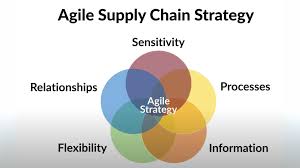 Rethinking Supply Chain Planning: The Shift from Calendar-Based Models to Agile Synchronization">

Why Traditional Supply Chain Planning Falls Short
Relying on rigid calendar-driven supply chain planning feels like trying to catch a train that’s already left the station. The old-school approach, with its monthly or quarterly checkpoints, just can’t keep pace with today’s lightning-fast market swings. Markets and consumer demands aren’t waiting around for your next meeting, yet many planners still find themselves reacting to events weeks after they’ve happened.
Latency is the dirty word here — a lag of two to four weeks before changes in demand even get addressed can throw a wrench into the whole supply chain machinery. It can take nearly half a year for organizations to fully adjust to new buying patterns. Add to that the use of static spreadsheets and slide decks that capture a moment frozen in time but fail to keep up with ongoing changes, and you’ve got a recipe for reactive, inefficient management.
The Hidden Costs Behind Calendar-Driven Decisions
Clinging to delayed, backward-looking planning means companies are always playing catch-up rather than getting ahead. Market signals come and go; by the time planners circle back in their next scheduled review, it’s already yesterday’s news. Meanwhile, every department holds its own piece of the puzzle, often with conflicting priorities:
- Sales might lean towards optimistic forecasts to hit targets.
- Finance pushes for controlled margins and capital preservation.
- Operations focus on maintaining service levels and production efficiency.
This fragmented vision turns planning into a thousand spreadsheet wrestling matches, where consensus is a battle and decisions are slow to come by. The result? A lot of political posturing and less strategic progress.
Embracing Real-Time, Explainable Insights
The key to breaking this cycle is shifting from static numbers to a living, breathing planning process fueled by artificial intelligence. Instead of relying on snapshots that freeze the past, AI enables dynamic, explainable insights that everyone can understand and trust. This transparency doesn’t just align numbers; it shifts the focus from defending departmental turf to collaborating on the next best move.
When assumptions, market signals, and drivers are shared openly, teams move past finger-pointing and into genuine problem-solving. Marketing realizes how its promotional plans affect sales forecasts; finance understands the operational consequences of budget tweaks. Suddenly, everyone is dancing to the same tune, armed with clear, contextual information.
Benefits of Live Insights for Collaboration
- Fosters accountability and honest conversations
- Reduces time spent on reconciliation meetings
- Creates a unified view of demand, supply, and customer behavior
- Enables fact-based trade-off discussions instead of position defending
Synchronizing Actions to Market Signals, Not Calendars
The biggest game-changer is ditching the calendar as the master of decisions. Instead of waiting for a pre-set date to act, organizations align responses directly with real-time market events. A promotion that underperforms? The teams get that signal immediately. A shift in consumer buying habits? It’s captured and acted on at once. This is where supply chains evolve from being periodic check-ins to continuous, adaptive systems.
Integrating cross-functional views on a shared digital platform reduces internal politics. Imagine sales not having to juggle conflicting forecasts for finance and supply chain anymore but sharing transparent demand data everyone trusts. This shared visibility encourages collaboration and quick, well-informed decision-making that optimizes end-to-end operations.
How Synchronization Supports Agile Planning
| Traditional Planning | Synchronized Planning |
|---|---|
| Delayed response due to scheduled meetings | Immediate action triggered by market signals |
| Siloed departmental forecasts | Unified, explainable insights accessible to all |
| Static, outdated slides and spreadsheets | Dynamic, AI-powered, real-time data visualization |
| Political turf battles and slow consensus | Transparent dialogue focused on shared goals |
Conclusion: Moving Beyond the Calendar Trap
Tight calendar-driven planning simply can’t cut it in today’s volatile business landscape. As the gap widens between slow planning cycles and rapid market changes, supply chains that don’t adapt risk permanent misalignment and reduced competitiveness. AI-powered, continuously updated plans turn supply chains into resilient, responsive ecosystems, freeing up capacity from outdated processes and enhancing service delivery.
Modernizing planning isn’t a luxury — it’s essential. The question isn’t if organizations will move past calendar-based planning, but how swiftly they can evolve before their competitors take the lead.
When it comes to logistics and freight management, having a transport partner who understands the importance of agility in planning can be a game-changer. Platforms like GetTransport.com offer flexible, affordable, and global transport solutions that adapt to your ever-changing shipment and delivery needs — whether it’s office moves, bulky cargo, or vehicle transport. Their transparent, real-time options help keep your supply chain running smoothly, turning logistics from a hassle into a strategic advantage.
Why Personal Experience Matters in Supply Chain Choices
Reading about synchronized supply chains and AI-driven planning is fascinating, but nothing quite beats hands-on experience. On platforms like GetTransport.com, you can book reliable cargo transport at competitive rates worldwide, empowering you to skip unnecessary expenses and avoid disappointment. The convenience of a vast choice, coupled with fully transparent pricing and service details, means you get what you need, when you need it, without the usual guesswork.
For those looking to sharpen their logistical edge, this mix of affordability, transparency, and extensive options is a breath of fresh air — no more endless calls or comparing countless quotes. It’s about making supply chain and shipping as approachable and effective as possible. Rezervujte si jazdu na GetTransport.com today and experience the difference.
Looking Ahead: What This Means for Global Logistics
While the shift from calendar-based to synchronized planning might not rock the entire global logistics industry overnight, it signals a clear direction for smarter freight and shipment management. Staying in tune with market realities means faster, more reliable dispatches and improved distribution workflows. GetTransport.com keeps pace with these changes, offering globally accessible, flexible solutions that help businesses and individuals navigate the complexities of relocation, moving, and bulky freight haulage with ease.
Začnite plánovať ďalšiu dodávku a zabezpečte si náklad pomocou GetTransport.com.
Zhrnutie
Traditional, calendar-bound supply chain planning is increasingly outmatched by volatile, fast-shifting markets. The main challenges—delays, fragmented views, static models—lock planners into reactive cycles focused on past data. Transitioning to dynamic, AI-fueled planning creates live, explainable insights that break down silos and foster transparent, aligned decision-making. Synchronizing actions to real-time market events rather than fixed dates empowers faster, smarter responses and strengthens overall supply chain resilience.
For logistics and freight, this evolution is critical. It calls for partners like GetTransport.com that provide cost-effective, reliable global transport solutions adaptable to continuous change. Whether handling a complex shipment, a company relocation, or moving bulky goods, GetTransport.com assists in simplifying logistics, improving shipping flow, and ensuring efficiency at every step.