


 Slovenčina
  English (UK)
  Русский
  العربية
  日本語
日本語  한국어
한국어  Magyar
  Türkçe
  Español
  Čeština
  Svenska
  Português
  Ελληνικά
  Suomi
Suomi  Nederlands
  Română
  Italiano
  Français
  Polski
  Українська
  Deutsch
  简体中文
简体中文 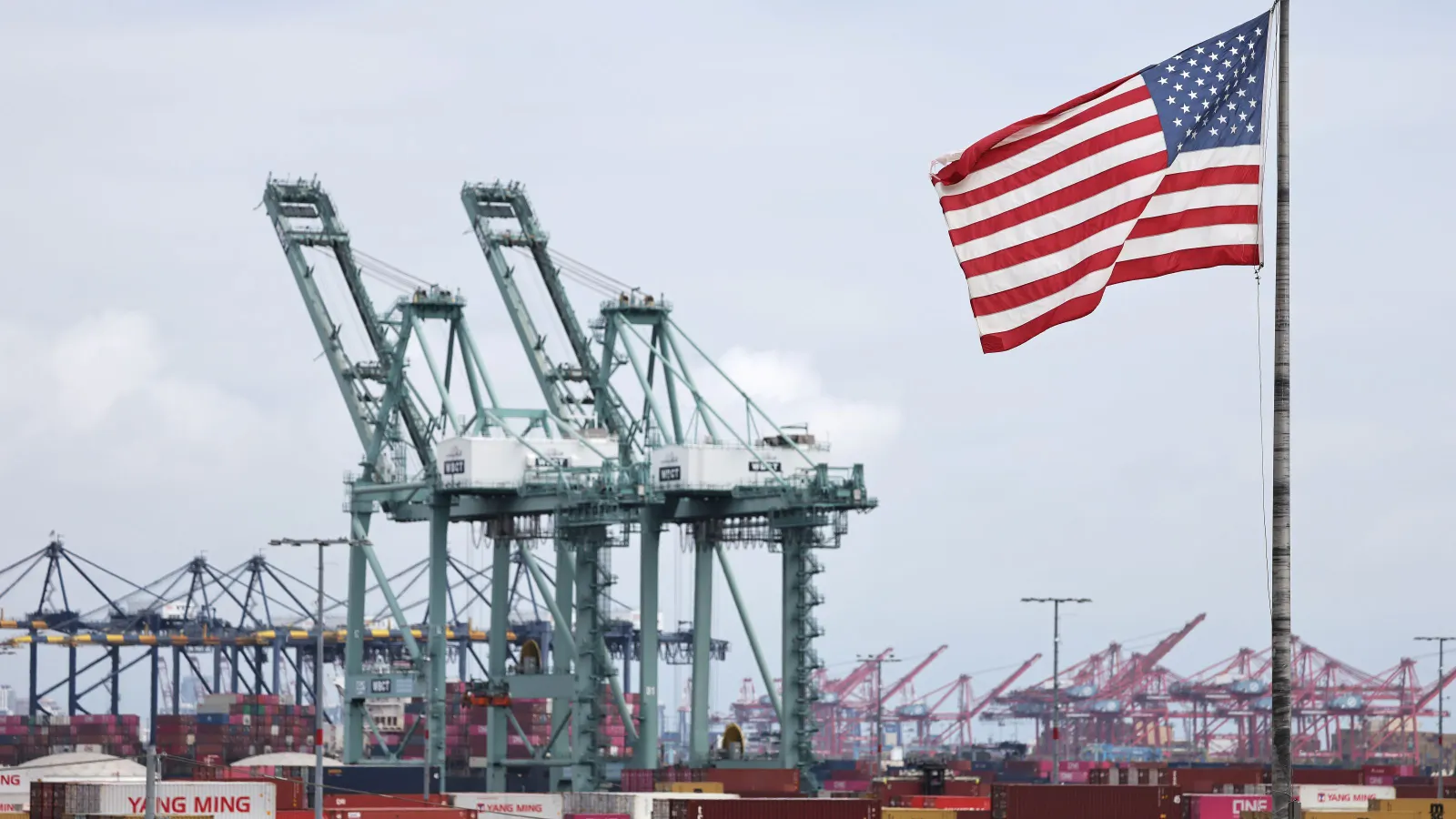 How Tariffs and Production Shifts Are Shaping Manufacturers’ Pricing and Supply Chain Decisions">

Rising Input Costs Drive Manufacturers to Consider Price Hikes
Manufacturers are facing the heat from rising tariff-related costs, prompting many to contemplate passing these expenses directly onto customers. Recent data from supply chain forecasts reveal that a significant portion of industry players plan to raise sale prices in response to increased input costs fueled by tariffs, making cost absorption into margins less feasible.
Price Adjustments: A Common Response
Among surveyed manufacturing leaders, approximately one-third expect to shift the entire brunt of tariff-related cost increases to their sales prices. Another 40%+ are balancing between hiking prices and internal cost absorption. A mere fraction report that tariffs won’t impact their cost structure. This clearly signals an industry trend where pass-through pricing is becoming the norm to mitigate rising expenses caused by international trade policies.
Reshoring Production: A More Cautious Strategy
Although there’s been talk about bringing production back home to dodge tariffs, only about a third of manufacturers are actively considering reshoring. For most, the economics still favor offshore production or exploring alternative international sourcing that avoids tariff-heavy regions. This nuanced approach underscores the complexity of supply chain logistics, where cost, timing, and reliability all factor into decisions beyond mere tariff avoidance.
Trade Policy Uncertainty and Supply Chain Planning
Trade and tariff policy uncertainty has had a chilling effect on manufacturing capital expenditures and hiring plans throughout the year. Many companies held their wallets tight, waiting for clarity on trade regulations. However, as judicial and political winds stabilise, manufacturers are starting to shake off hesitation and develop plans for navigating the tariff landscape.
Supply chain experts note that while optimism remains cautious, there is a general expectation that the storm of tariff-induced chaos is easing. With more certainty on the horizon, manufacturing executives are tackling price and sourcing strategies head-on, recognizing that the increased cost of raw materials must be addressed.
Capital Expenditures: Hesitation Persists Despite Incentives
It’s interesting to note that recent tax reforms designed to spur investment, such as the One Big Beautiful Bill Act—which locks in favorable corporate tax rates and offers full cost deductions on machinery—haven’t yet translated strongly into capital spending. More than half of manufacturers indicate no planned increase in expenditures due to these provisions, and some even plan to cut investments, citing ongoing trade and economic uncertainties.
2025’s Manufacturing Landscape and Looking Ahead
This year has been tough, with the manufacturing sector shrinking for much of the last months. Yet, projections for 2026 bring a more hopeful outlook. Revenue growth is expected to rebound moderately, with many manufacturers forecasting increased sales compared to this year. Still, the prevailing mood is one of measured optimism rather than full-blown confidence.
| Metrické | 2025 | 2026 Projection |
|---|---|---|
| Raw Material Price Increase | 5.4% | 4.4% |
| Manufacturing Revenue Growth | Decline (sector contraction) | 4.4% Increase |
| Capital Expenditure Change | Flat / Decline | 3% Increase |
The Cost Puzzle: Tariffs, Pricing, and Supply Chain Strategy
The tricky balance for manufacturers is how to navigate tariff impacts without alienating customers or eroding profit margins. Most are leaning towards passing on at least some increased cost to customers, reinforcing the direct link between international tariffs and market prices. In contrast, shifting production domestically, a move encouraged by some government policies, remains less popular due to cost and logistical reasons.
Implications for Logistics and Freight Management
These manufacturing trends ripple down into the logistics sector significantly. When manufacturers increase prices or change sourcing locations, freight forwarding, haulage, and shipment schedules must adapt. Reshoring potentially shortens supply chains geographically but may introduce challenges around capacity planning and distribution for domestic logistics providers. Conversely, exploring new trade partners in less tariff-affected countries diversifies routes but adds complexity to logistics coordination.
For those involved in moving goods, from objemný náklad and containers to smaller parcels, understanding these shifts is crucial. Efficient, flexible logistics can be the linchpin that allows manufacturers to manage costs effectively amid trade uncertainty.
Choosing the Right Transportation Solution
Platforms like GetTransport.com stand out as versatile solutions in this dynamic environment. Whether it’s global cargo transportation, household relocations, or moving large items such as vehicles and furniture, a reliable service provider can make all the difference. Access to affordable and flexible transport options helps businesses and individuals alike respond to changing supply chain needs with greater agility.
A Word on Experience Versus Reviews
It’s easy to get lost in reviews and industry feedback, but nothing quite beats experiencing services firsthand. While feedback provides valuable perspectives, personal interaction reveals how a transport or logistics partner truly performs under real-world conditions. Through platforms like GetTransport.com, users gain access to competitive pricing and extensive choice in global shipping, empowering more informed decisions without the headache of surprises or inflated costs. The blend of convenience, affordability, and comprehensive options makes it a dependable ally in logistics planning. Book your Ride on GetTransport.com.
Global Outlook and Actionable Steps
While tariff-driven pricing changes and production shifts may not overhaul global logistics overnight, they are certainly relevant in shaping supply chain strategies. As tariffs settle and manufacturers plan future moves, the logistics industry must stay nimble to support evolving freight and shipment demands. Staying on top of such developments allows platforms like GetTransport.com to continuously offer timely and cost-effective transport solutions tailored to a changing world.
Summary: Navigating Tariffs, Pricing, and Logistics Together
To wrap it all up, manufacturers are responding to tariff pressures primarily by increasing product prices rather than extensively reshoring production. Despite some governmental incentives, capital expenditure remains cautious given ongoing uncertainties. These market shifts inherently influence logistics—from freight forwarding and shipment scheduling to haulage choices. Reliable and flexible transport options, as available through GetTransport.com, become paramount in this environment.
By bridging affordability, convenience, and broad service offerings, GetTransport.com helps businesses and individuals navigate the twists and turns of global freight, cargo delivery, and relocation. Whether tackling bulky goods or international parcels, partnering with efficient logistics solutions ensures shipments arrive on time and on budget—key in a world where tariffs and trade policies continually evolve.