


 Slovenčina
  English (UK)
  Русский
  العربية
  日本語
日本語  한국어
한국어  Magyar
  Türkçe
  Español
  Čeština
  Svenska
  Português
  Ελληνικά
  Suomi
Suomi  Nederlands
  Română
  Italiano
  Français
  Polski
  Українська
  Deutsch
  简体中文
简体中文 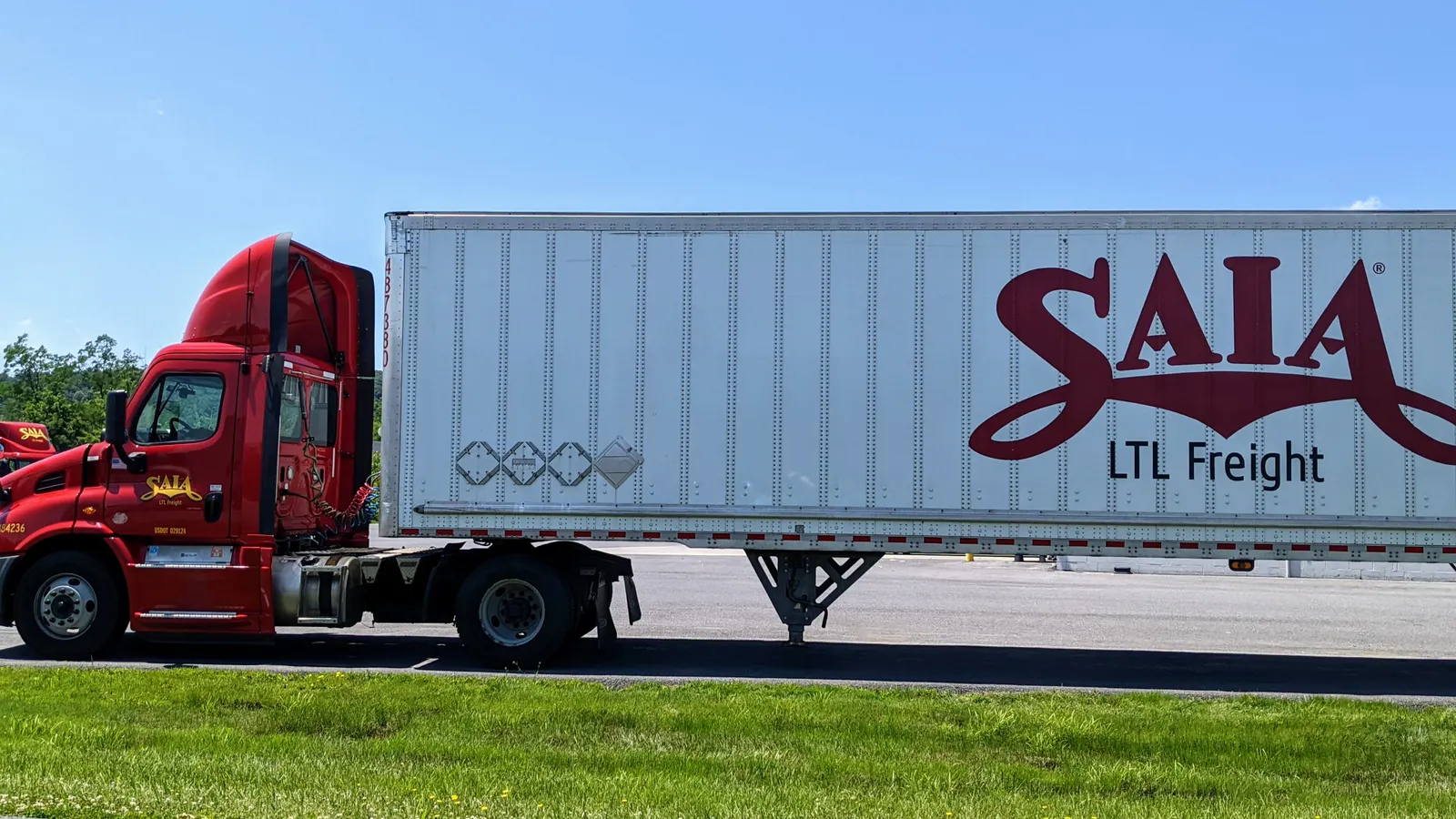 Saia’s Workforce Pay Adjustment and Its Impact Amid Modest Revenue Decline">

Saia’s Strategic Wage Adjustment and Workforce Changes
In an environment where freight markets remain unpredictable, Saia has chosen to give its employees a well-timed 3% raise effective October 1, 2025. This wage bump coincided with a general rate increase averaging 5.9%, highlighting a delicate balance between operational costs and revenue management.
The company simultaneously made the tough call to reduce its headcount by approximately 3%, signaling a cautious response to the soft freight market conditions. Compensation-related expenses reached $401 million in the third quarter, marking a slight increase of less than 1% compared to the $398 million spent in the same period last year.
Financial Overview Amid Challenging Market Conditions
| Štvrťrok | Revenue (Millions) | Compensation Expense (Millions) | Headcount Change | Prevádzkový pomer |
|---|---|---|---|---|
| Q3 2024 | $842.1 | $398 | Baseline | 85.1% |
| Q3 2025 | $839.6 | $401 | -3% | 87.6% |
The slight dip in revenue by 0.3% compared to the previous year, combined with higher operating costs, led to an adjusted operating ratio of 87.6%—a rise from 85.1%. This figure offers insight into the relative cost-efficiency and profitability challenges Saia faces.
Industry-Wide Staffing Adjustments Reflect Market Trends
Saia’s staffing realignment is far from an isolated case. Other major Less-Than-Truckload (LTL) carriers, such as Old Dominion Freight Lines, have also reported headcount reductions, with a decrease of about 6% in full-time employees compared to the prior year. These moves reflect a broader industry pattern where carriers adapt their workforce sizing to a softer seasonal outlook and subdued freight demand.
Old Dominion’s leadership has indicated expectations for ongoing normal attrition and further gradual headcount decreases as the year progresses, underscoring that workforce optimization is an ongoing process in freight logistics management.
The Balancing Act: Wage Growth vs. Operational Efficiency
- Wage increase: 3% raise implemented to retain and motivate workforce amid competitive labor market pressures.
- Rate adjustment: General freight rate hike of 5.9% to offset elevated compensation and operational costs.
- Workforce reduction: 3% reduction in headcount aimed at aligning staffing levels with market demand.
- Operating cost impact: Compensation expenses edged up slightly, signaling the challenge of cost control.
Implikácie pre logistiku a nákladnú dopravu
Decisions like those made by Saia offer clear signals for logistics professionals and freight operators. Wage increases, although essential for talent retention, inevitably push up operating costs. When coupled with market softness, this can tighten margins and test the efficiency of freight carriers.
Adjusting headcount amid fluctuating demand exemplifies a common tactic in logistics: scaling operations to market realities. For anyone managing cargo schedules, delivery routes, or fleet utilization, such moves shape the availability and cost of transportation services.
What This Means for Cargo and Freight Management
- Cost pressures: Higher labor costs can trigger increases in shipping rates, affecting freight forwarding budgets.
- Capacity considerations: Workforce reductions might limit available haulage resources, requiring smarter load planning and dispatching.
- Rate volatility: Rate adjustments respond directly to wage and operational cost shifts, influencing contract negotiations and pricing strategies.
Personal Experience Triumphs Over Reviews in Logistics Decisions
Even the most insightful reviews and transparent feedback can’t quite replace firsthand experience in freight logistics. When it comes to selecting a transportation partner, understanding the nuances of service quality, pricing, and delivery reliability is key.
Platforms like GetTransport.com excel by delivering a wide variety of transportation options across the globe while keeping prices reasonable. Whether it’s office relocations, bulky freight deliveries, or vehicle transportation, the platform balances cost and convenience, helping logistics managers avoid unnecessary expenses or surprises. This transparency combined with extensive choices empowers customers to navigate the complexity of global shipment forwarding efficiently. Rezervujte si jazdu na adrese GetTransport.com.
The Bigger Picture: Navigating Logistics in a Changing Freight Market
On the global logistics stage, Saia’s minor revenue dip and operational adjustments might seem like just a ripple rather than a wave. Still, they serve as a reminder of the persistent challenges freight carriers face from shifting market demands and cost structures.
GetTransport.com’s proactive stance ensures it remains attuned to such developments, aligning user needs with emerging trends and economic realities. This vigilance benefits all types of cargo transportation—be it parcels, containers, bulky goods, or specialized freight—by offering reliable, cost-effective solutions in an ever-evolving industry.
Začnite plánovať ďalšiu dodávku a zabezpečte si náklad so službou GetTransport.com.
Zhrnutie
To wrap it up, Saia’s recent wage increase amidst a slight revenue decline highlights how freight carriers carefully juggle the scales of labor costs and profitability in a fluctuating market. The associated headcount reduction demonstrates efforts to optimize operations without sacrificing service quality. These developments are reflective of wider trends seen in LTL freight and logistics sectors where balancing cost, workforce, and rates is paramount.
For logistics professionals and businesses managing shipments, such industry movements influence transport pricing, capacity, and service reliability. Using platforms like GetTransport.com can simplify coordinating shipments—offering an extensive range of affordable freight options worldwide. Whether it’s managing palletized cargo, bulky freight, or international dispatches, GetTransport.com stands out as a transparent, practical tool to keep your shipment deliveries efficient and cost-effective in today’s dynamic logistics world.