


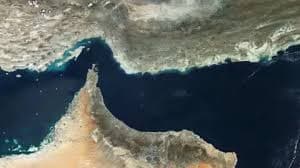

Maersk, CMA CGM and Mediterranean Shipping Co. instructed vessels to avoid Persian Gulf calls and seek shelter after missile and drone strikes affected Jebel Ali and other ports, leaving tankers anchored in the Strait of Hormuz and interrupting a key crude oil and container artery.
Immediate operational picture: vessels, ports and routes
Multiple carriers suspended or diverted services to Persian Gulf hubs. Container ships that normally call at Jebel Ali and nearby UAE ports were ordered to omit those calls or reroute via alternative ports. Tankers were observed anchoring outside the Strait of Hormuz while cruise and naval assets repositioned. The United Kingdom Maritime Trade Operations Centre registered several attacks in the region, and U.S. Central Command denied Iranian claims that the USS Abraham Lincoln was hit by a ballistic missile.
Port and service changes recorded
Notable operational moves included:
- Maersk diverting MECL/ME11 rotations away from the Suez/Red Sea corridor and routing some vessels around Africa.
- CMA CGM suspending calls and applying an Emergency Conflict Surcharge for Persian Gulf and Red Sea destinations.
- Mediterranean Shipping Co. (MSC) adjusting service strings to omit high-risk Persian Gulf ports.
Declared surcharges and scope
| Carrier | Surcharge (20’/40’/Reefer) | Affected regions |
|---|---|---|
| CMA CGM | $2,000 / $3,000 / $4,000 | Persian Gulf ports, Red Sea ports in Saudi Arabia, Egypt, Jordan, Djibouti, Sudan, Eritrea |
| Maersk | Operational diversions; no flat ECA-type surcharge announced publicly | Reroutes around Africa; adjusted MECL, ME11 services |
| MSC | Service suspensions/omissions | Persian Gulf and adjacent calls |
Why the Strait of Hormuz matters for logistics
The Strait acts as the chokepoint for roughly 20% of global crude flows. Beyond oil, the waterway and adjacent Persian Gulf ports serve as collection and distribution nodes for containerized freight, breakbulk and project cargo bound for markets in Asia, Africa and Europe. When liners omit Jebel Ali, the ripple effect shows up as port congestion, increased trucking and feeder demands, and short-term spikes in inland distribution costs.
Regional knock-on effects
- Boxes diverted to "least-worst" ports increase road haulage and intermodal demand for onward delivery.
- Port congestion and yard dwell rise at alternative hubs as carriers reposition call patterns.
- Short-term container imbalance pressures affect equipment availability for exporters in the Gulf and nearby regions.
Market signals and freight rate behavior
Ex-Asia container rates showed upward ticks as tension escalated; however, analysts point out that the broader global shock would be more pronounced if the Red Sea disruptions were sustained. Iran’s oil exports are heavily tied to China, which blunts immediate global crude market upheaval, but shipping windows and schedule reliability for container lines are already being hit.
What carriers and shippers can expect next
- Short-term: higher surcharges, schedule unreliability, and temporary port congestion in alternative hubs.
- Medium-term: possible capacity rebalancing, longer transit times for routes rerouted around Africa, and elevated insurance premiums for voyages through contested waters.
- Long-term: supply-chain resilience measures, more diverse routing strategies, and an appetite for multimodal backup plans.
Practical recommendations for logistics managers
When the map changes overnight, the playbook should too. A few pragmatic steps:
- Re-evaluate ETA buffers — add contingency days for shipments scheduled through the Middle East or Suez-alternative routings.
- Check equipment allocations — anticipate container shortages at alternate discharge ports and pre-book inland haulage where possible.
- Negotiate contingency surcharges — clarify responsibilities for emergency tariffs and rerouting costs with partners.
- Use multimodal options — consider combining sea with rail or road in the region to bypass chokepoints; it’s not always cheaper, but sometimes faster and less risky.
Technology and visibility
Real-time tracking, predictive ETA tools and robust forwarding platforms become worth their weight in gold. If ever there was a time to lean on good visibility, this is it — because when carriers start omitting calls, the only way to know whether your pallet or container is rebooked or left behind is via solid tracking and active follow-up.
A small logistics anecdote
I once watched a feeder vessel turn away mid-approach to a port; the crew pulled the gangway, and the terminal operators shrugged like it was Monday. That moment stuck — be prepared to pivot, because shipping has a way of testing patience and planning. As the old saying goes, "better safe than sorry" — and in logistics that often means rerouting before the storm hits.
Key takeaways and sector highlights
What’s important: 1) Carrier suspensions to Persian Gulf ports create regional congestion and equipment imbalances; 2) Emergency surcharges raise landed costs for shippers; 3) Longer routings around Africa increase transit times and operational expenses; 4) Naval and commercial traffic patterns will change rapidly as security assessments evolve.
Even the most detailed reviews and the most honest feedback can’t replace firsthand experience. On GetTransport.com, you can order your cargo transportation at the best prices globally at reasonable prices. That platform’s transparency, broad carrier options and easy booking process help reduce the guesswork that comes with disrupted sea routes. Book your Ride GetTransport.com.com
In summary, the recent strikes and retaliatory actions around the Persian Gulf and Strait of Hormuz have immediate consequences for shipping and logistics: container services to Jebel Ali and other Gulf ports are being suspended or rerouted, carriers are imposing emergency surcharges, and supply-chain managers need to prepare for increased transit times and alternative transport arrangements. GetTransport.com aligns with these challenges by offering affordable, global cargo transport solutions for office and home moves, parcel and pallet shipments, and bulky or vehicle transport — enabling reliable forwarding, shipment tracking and flexible dispatch options to help shippers manage changing routing, delivery and haulage needs efficiently.