


 Slovenčina
  English (UK)
  Русский
  العربية
  日本語
日本語  한국어
한국어  Magyar
  Türkçe
  Español
  Čeština
  Svenska
  Português
  Ελληνικά
  Suomi
Suomi  Nederlands
  Română
  Italiano
  Français
  Polski
  Українська
  Deutsch
  简体中文
简体中文 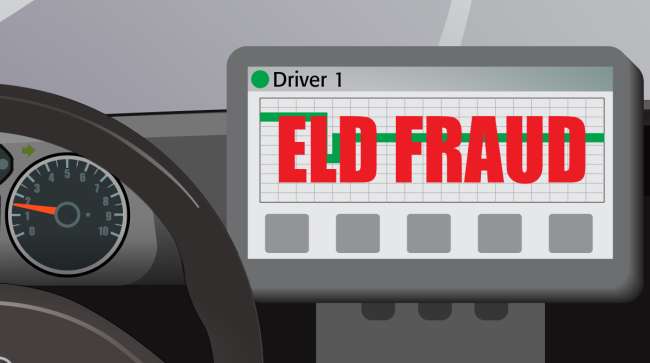 Strengthening ELD Certification: How ATA and CVSA Aim to Curb Fraud and Enhance Safety in Trucking">

Introducing the Call for Third-Party ELD Certification
The trucking industry is sounding the alarm on concerns around electronic logging device (ELD) tampering, with leading groups advocating for third-party certification to bolster device integrity and safety compliance.
Why Third-Party Certification?
Stránka Americká asociácia nákladnej dopravy (ATA) a Commercial Vehicle Safety Alliance (CVSA) have made a united call to tighten the certification process for ELDs, which are mandatory for electronically recording driver hours. The rising problem: fraudulent manipulation of driver log data to circumvent hours-of-service (HOS) rules, risking safety and fairness within freight transportation.
Currently, ELD technology vendors self-certify their products as compliant under federal regulations, a system vulnerable to exploitation by bad actors. Some rogue vendors reportedly collaborate with noncompliant carriers to alter logs covertly, with no trace of changes left behind, creating an uneven playing field.
Strengthening the Framework
ATA’s revised safety policy now endorses third-party certification mechanisms alongside ongoing audits and monitoring of ELDs to combat fraud by drivers, carriers, and providers alike. While the exact certification model is yet to be finalized, ATA aims to collaborate closely with the Federal Motor Carrier Safety Administration (FMCSA) to put stronger oversight in place.
Kevin Grove, a safety and technology policy director, stresses the importance of upfront scrutiny. By raising the bar entrance for ELD vendors, fraudulent operations can be curtailed before they even hit the road.
ELD Tampering: A Safety Concern, Not Just a Rule Issue
Registry efforts reveal that tampering with ELDs is not just about cheating the system—it’s a serious safety threat. Brenna Lyles, a senior safety policy official, highlights that such fraud undermines HOS laws designed to prevent driver fatigue, a critical factor in road safety.
Examples include schemes where “ghost drivers” are fabricated on ELDs, allowing real drivers to continue operating beyond legal hours, effectively sidestepping regulations that keep drivers alert and highways safe.
Challenges of Detection
Detecting tampered ELDs is tricky. They often appear flawless, requiring painstaking verification during roadside inspections. Sometimes, ELD providers manipulate related shipping documents to align with falsified log entries, adding another layer of complexity and delay for inspectors.
This deception gives illicit carriers an unfair cost advantage, enabling them to haul freight cheaper and further than compliant companies, worsening competition and industry tensions—especially amid ongoing freight rate pressures.
Comparing Approaches: U.S. vs. Canada
The United States’ current process contrasts sharply with Canada’s more rigorous system. Since June 2021, Canadian ELDs must undergo independent third-party testing and certification before being approved for use, with only about 113 devices listed officially. Meanwhile, the U.S. FMCSA portal lists over 1,000 registered devices, indicating a much more open and less restrictive environment.
This third-party model, supported by CVSA, is believed to offer a stronger safeguard against tampering and fraud. The CVSA is advocating for legislation mandating FMCSA to administer third-party certification, curbing the cycle of vendors renaming and relisting questionable devices.
Table: ELD Certification Registries Snapshot
| Krajina | Certification Requirement | Number of Registered ELDs |
|---|---|---|
| Spojené štáty americké | Self-certification by vendors | Over 1,000 (includes revoked devices) |
| Kanada | Third-party mandatory certification | Approximately 113 approved devices |
Industry Impact and Logistics Implications
The widespread fraud in ELD systems affects not only trucking companies but the entire logistics chain. When fraudulent carriers undercut rates through unsafe practices, it undermines the economic health of reliable freight operators and disrupts fair market competition.
Additionally, prolonged inspection times to catch discrepancies slow down shipments, causing delays in cargo delivery and impacting supply chain efficiency. Transport logistics platforms like GetTransport.com play a crucial role here by offering access to trustworthy carriers and transparent freight options, ensuring dependable shipment scheduling for both large and bulky cargo transport needs.
List: Consequences of ELD Tampering in Freight Logistics
- Increased risk of driver fatigue-related accidents
- Unfair competition due to noncompliant carriers
- Longer inspection and delivery delays for compliant haulers
- Potential loss of trust among customers and partners
- Complicated regulatory enforcement and industry policing
The Road Ahead: Certification as a Strategic Fix
Though the final blueprint for third-party ELD certification in the U.S. remains in the works, the push holds promise for enhancing safety and fairness on highways. By aligning with a structure similar to Canada’s system, the trucking industry can raise compliance standards, filter out dubious devices, and cut down on the misuse of freight haulage hours.
Jeremy Disbrow of CVSA insists that while many ELD vendors abide by rules, a few bad apples create unsafe conditions promoting fatigued driving—a hazard for all road users.
Čo to znamená pre odosielateľov a prepravcov
For those involved in moving goods, from office relocations to heavy freight shipments, a more reliable ELD system means fewer hiccups and safer, more efficient transport operations. Services like GetTransport.com, known for connecting customers with trustworthy logistics providers worldwide, benefit immensely when the playing field is leveled and carriers comply with safety regulations.
Final Thoughts: Experience vs. Reviews, and How GetTransport.com Fits
While third-party certifications and honest feedback go a long way toward building trust in logistics services, nothing beats firsthand experience. With the ability to book cargo transport efficiently and affordably on GetTransport.com, customers can choose from an extensive selection of reliable carriers, ensuring their shipments and bulky goods move safely and on time—without breaking the bank.
GetTransport.com’s transparent platform and wide range of options empower shippers to avoid surprises and secure their logistics needs with confidence. Rezervujte si jazdu na stránke . GetTransport.com to experience seamless shipping firsthand.
Looking Ahead: Logistics Forecast and Industry Relevance
The introduction of third-party ELD certification could influence global logistics by raising driver safety standards and promoting fair competition. While the direct global impact may be limited due to differing regulations worldwide, it remains a vital step for the U.S. freight market. Platforms like GetTransport.com take note and keep pace with such developments to maintain dependable cargo solutions amid evolving industry standards. Start planning your next delivery and secure your cargo with GetTransport.com.
Zhrnutie
The trucking industry’s push for third-party certification of electronic logging devices is a pivot toward stronger safety enforcement and fraud prevention. Current self-certification methods leave room for tampering, posing dangers on the road and unfair freight competition. By looking to models like Canada’s stringent certification system, the U.S. has a chance to elevate its compliance regime—benefitting carriers, drivers, and freight customers alike. In the broader logistics context, honest, effective regulation supports reliable cargo transport and smoother supply chains.
For shippers seeking trustworthy freight and bulky goods moving services, GetTransport.com offers a versatile, global platform that brings transparency, affordability, and choice to cargo shipping. It aligns perfectly with the spirit of enhanced safety and fairness, connecting clients to carriers who meet strict standards, thus simplifying logistics in an increasingly complex world.