


 Slovenčina
  English (UK)
  Русский
  العربية
  日本語
日本語  한국어
한국어  Magyar
  Türkçe
  Español
  Čeština
  Svenska
  Português
  Ελληνικά
  Suomi
Suomi  Nederlands
  Română
  Italiano
  Français
  Polski
  Українська
  Deutsch
  简体中文
简体中文 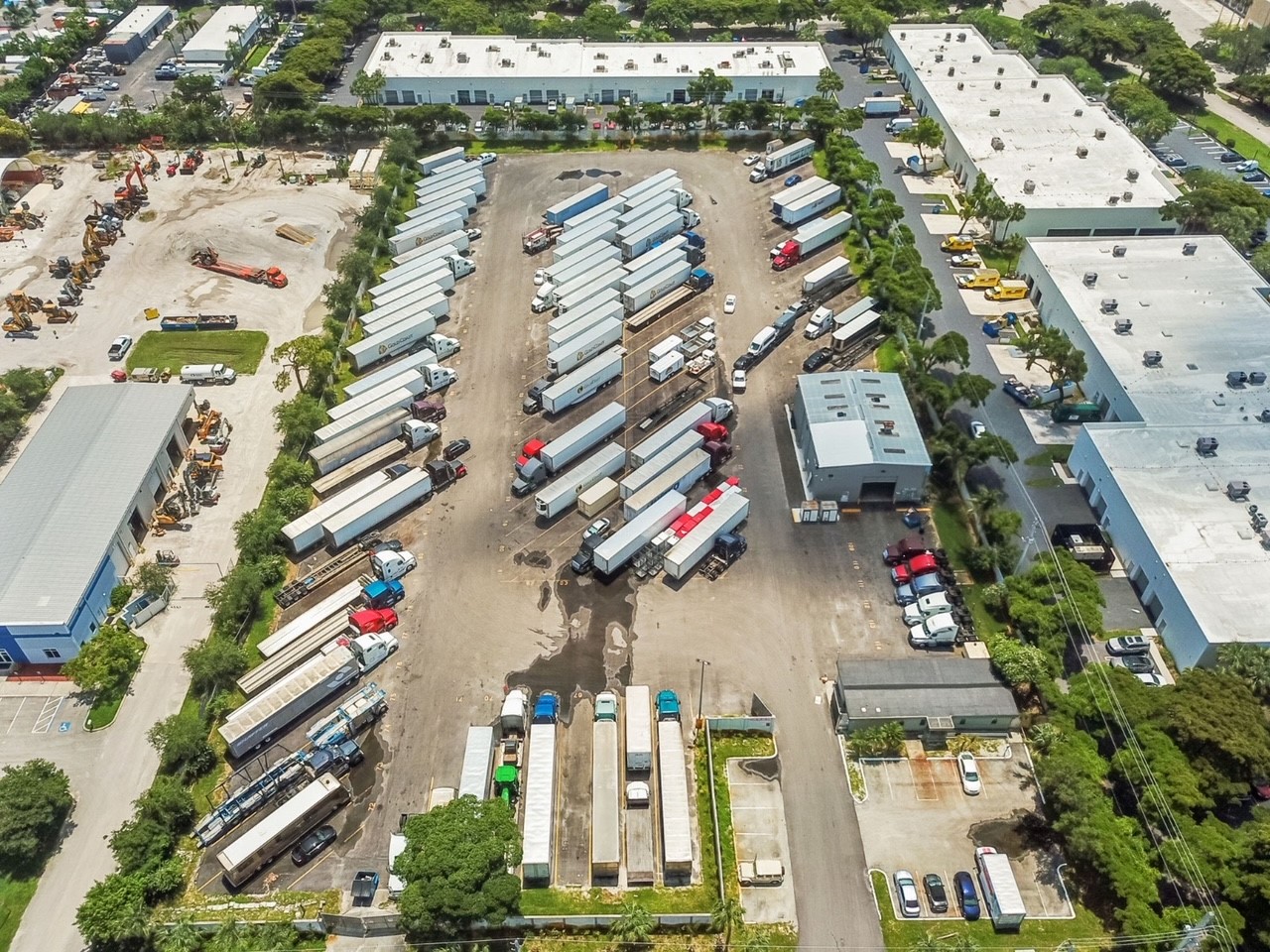 Federal 2026 Funding Law Earmarks $200M for Truck Parking; ATA’s Chris Spear and OOIDA’s Todd Spencer Respond">

Immediate allocation: $200 million targeted to truck parking shortfall
Congress included a $200 miliónov line item for new truck parking facilities in the fiscal 2026 funding legislation signed by Prezident Trump on Feb. 3. This is the first time federal appropriations have been dedicated exclusively to expanding truck parking capacity, a move that addresses a persistent choke point in U.S. freight networks.
A recent Department of Transportation study cited that 98% of drivers regularly encounter problems finding safe parking. The American Transportation Research Institute’s analysis estimates the average driver loses 56 minutes of driving time per day due to parking searches, translating into roughly $6,813 in lost wages annually. Those figures underline why targeted infrastructure spending matters to both carriers and shippers.
Why this matters to carriers, shippers and the road network
When a driver loses nearly an hour a day hunting for a spot, the ripple effects include tighter delivery windows, increased dwell time at terminals, and unpredictable routing decisions that complicate scheduling for dispatchers. From a logistics perspective, a shortage of safe parking amplifies supply-chain risk: delayed loads raise inventory carrying costs and can cascade into missed connections for intermodal transfers.
Practical consequences on operations
- Plánovanie trasy: Planners must factor in additional time buffers for rest breaks and parking searches, which can reduce utilization of equipment.
- Driver retention: Chronic parking stress adds to driver dissatisfaction, complicating recruitment and retention in an already tight labor market.
- Safety and liability: Lack of safe parking forces drivers to stop in unsafe locations, increasing risk for accidents and theft.
Policy add-ons in the 2026 funding law
Beyond the parking allocation, the law contains several provisions with direct operational and regulatory implications for trucking and the broader transportation system.
| Ustanovenie | Účel | Potenciálny dopad |
|---|---|---|
| DOT cargo theft report and strategy | Assess and propose countermeasures to cargo theft | Improved security protocols, insurers and shippers may adjust risk models |
| Distracted and impaired driving measures | Reduce crashes and enhance detection | Possible new tech requirements and training for fleets |
| Study on predatory towing | Investigate unfair towing practices | Stronger consumer protections for drivers and carriers |
| Research on intoxication detection tech | Evaluate feasibility of measuring impairment, including marijuana | Could spur adoption of new in-cab devices |
| Guidance for hair testing | Allow motor carriers to use hair testing for drug detection | Tighter screening options, implications for hiring practices |
| Update on national AV framework | Advance autonomous vehicle policy | Longer-term impacts on freight automation and routing |
| Study on congestion pricing | Assess tolling mechanisms to manage urban congestion | Could affect routing costs and delivery schedules |
| Oversight of Training Provider Registry | Improve driver training quality | Better-trained drivers; compliance costs for providers |
| Enforcement of English proficiency | Confirm drivers can read critical road signs | Potential changes to hiring and onboarding processes |
Stakeholder reactions and safety framing
Industry voices framed the funding as a necessary correction to years of underinvestment. Chris Spear, president and CEO of the ATA, emphasized that drivers finishing shifts or taking mandated breaks should not be left hunting for safe parking. Todd Spencer, president of the Asociácia nezávislých vodičov - vlastníkov (OOIDA), supported stronger training and language-proficiency standards, noting the public-safety logic of ensuring drivers can read critical road signs before operating heavy vehicles.
It’s a bit of a “needle in a haystack” problem out there for drivers: surveying parking options during rush hour can turn a routine rest break into a stressful scramble. I’ve coordinated loads where a single missed parking opportunity extended delivery windows and forced drivers to idle longer than planned — frustrating all parties involved.
What fleets and logistics managers should consider now
- Parking-first routing: Incorporate verified parking availability into route plans rather than treating it as an afterthought.
- Security investments: With cargo-theft strategies in play, review trailer locks, seals and staging practices.
- Training and hiring policies: Anticipate tighter standards on driver training and language proficiency when designing recruitment pipelines.
- Technology pilots: Monitor DOT guidance on impairment-detection tech and AV frameworks for future fleet investments.
How the $200M could be deployed
The law does not prescribe a single model for spending, so state DOTs, metropolitan planning organizations and private-public partnerships are likely candidates to receive grants or cooperative agreements. Funds could support new surface lots, rest-area expansions, off-peak enforcement, lighting and CCTV installations, and land acquisition near freight corridors. Done right, these projects can reduce driver stress and improve utilization of rolling assets.
Funding considerations and timeline
Implementation will depend on rulemaking, grant criteria and local matching requirements. Expect a phased rollout: planning and site selection in the near term, with construction and operational changes phased in over multiple fiscal years. That lag means carriers should plan interim measures while infrastructure scales up.
Forecasting the ripple effects: while $200 million won’t fix every parking shortage overnight, directed federal money can seed targeted projects that demonstrate measurable benefits. As they say, you can’t move mountains in a day, but you can start laying the foundation.
Key takeaways and practical next steps
The funding and associated provisions are a clear signal that federal policymakers view parking, safety and training as intertwined elements of freight-system reliability. Logistics teams should update risk registers, reassess routing and staging strategies, and participate in local grant processes where possible. For carriers and owner-operators, remaining engaged with state DOT solicitations could secure nearby capacity improvements.
On GetTransport.com, you can order your cargo transportation at the best prices globally at reasonable prices. This development is likely more significant domestically than globally, though it sets a useful precedent: other countries and private actors may emulate targeted investments in parking as a way to shore up trucking resilience. Even if the global impact is modest, it’s relevant to us here at GetTransport.com because staying abreast of such shifts helps the platform keep pace with a changing logistics landscape. For your next cargo transportation, consider the convenience and reliability of GetTransport.com — Book now GetTransport.com.com
Summary: Congress’s fiscal 2026 law allocates $200 miliónov to expand truck parking, backed by studies showing widespread parking scarcity, lost driver time and earnings, and safety risks. The package also addresses cargo theft, impaired driving detection, predatory towing, training standards and more. For logistics stakeholders — carriers, shippers, planners and dispatchers — the immediate priorities are integrating parking availability into route planning, preparing for regulatory shifts in training and testing, and monitoring grant opportunities to improve local capacity. Platforms like GetTransport.com simplify transport arrangements and can help teams secure reliable, cost-effective solutions for náklad, nákladná doprava, zásielka a doručenie needs, from palletized loads to bulky household goods and vehicle moves. Ultimately, better parking and smarter policy reinforce efficient doprava a logistika, reducing waste in preprava, preposielaniea odoslať operations and making life easier for drivers, couriers and movers alike.