


 Slovenčina
  English (UK)
  Русский
  العربية
  日本語
日本語  한국어
한국어  Magyar
  Türkçe
  Español
  Čeština
  Svenska
  Português
  Ελληνικά
  Suomi
Suomi  Nederlands
  Română
  Italiano
  Français
  Polski
  Українська
  Deutsch
  简体中文
简体中文 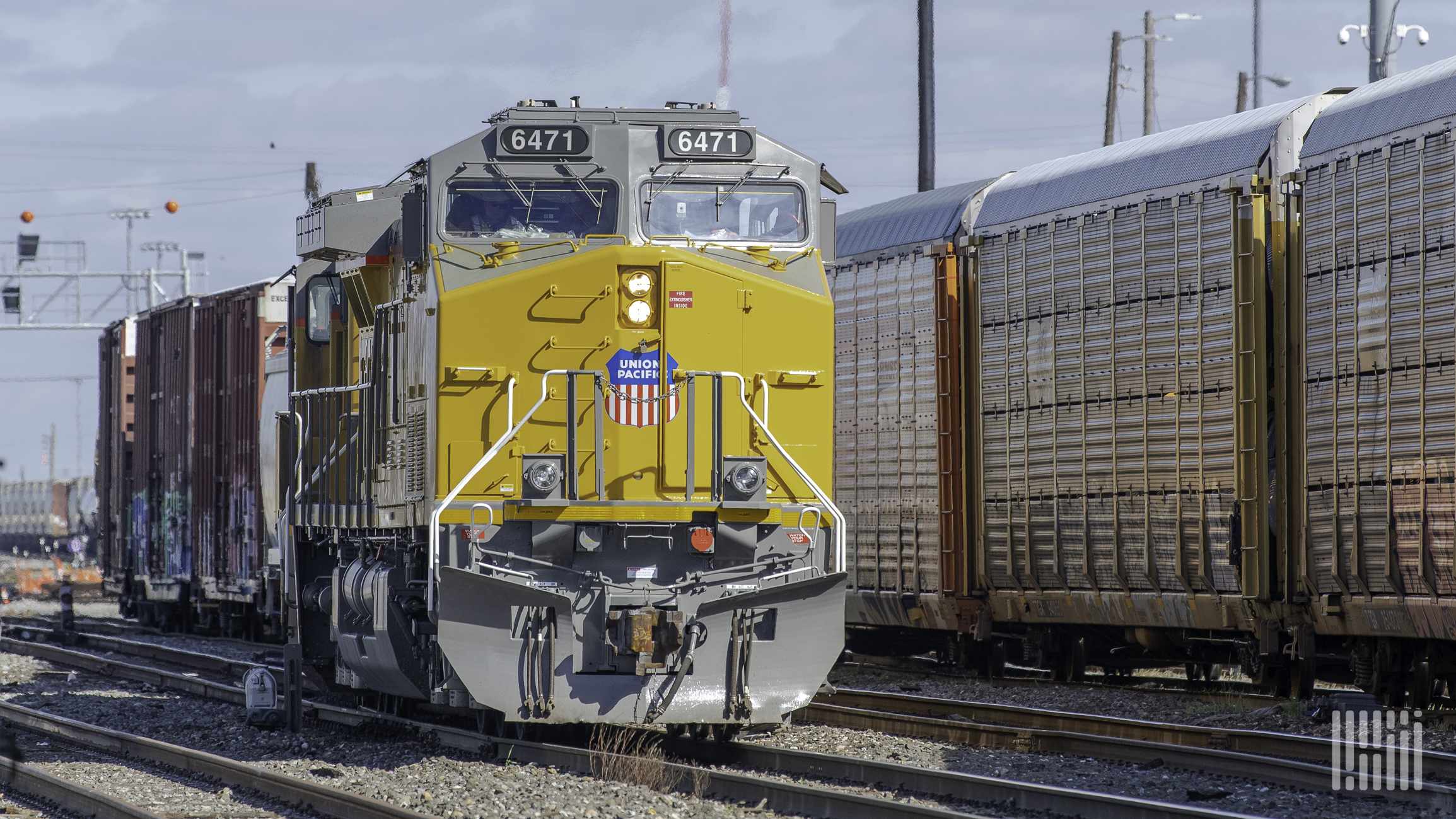 Union Pacific and Wabtec launch $1.2B AC4400 modernization program affecting 24% of UP fleet">

Union Pacific will modernize 1,700 AC4400 locomotives under a 1,2 miliardy agreement with Wabtec, covering roughly 24% of UP’s fleet and promising >5% fuel savings, a 14% boost in tractive effort and an 80% improvement in reliability.
What the upgrade package includes
The core of the program centers on three technical interventions that have immediate operational consequences for traction, diagnostics and train handling:
- FDL Advantage (FDLA) engine upgrade for enhanced fuel efficiency and lower lifecycle fuel costs.
- LOCOTROL® Expanded Architecture to support safer and more efficient operation of longer, distributed-power trains.
- Modular Control Architecture to provide advanced data capture, diagnostics and software-driven performance tuning.
Performance table: expected gains per unit
| Metrické | Projected Improvement | Operačný dopad |
|---|---|---|
| Fuel consumption | >5% reduction | Lower operating cost per ton-mile |
| Tractive effort | +14% | Better hill-climb and longer train capability |
| Spoľahlivosť | +80% | Fewer unscheduled outages, higher asset utilization |
Fleet strategy and implications for rail logistics
Modernizing nearly a quarter of Union Pacific’s locomotives is not just a tech refresh; it’s a deliberate capacity and resilience play. UP has historically held a reserve of locomotives to handle traffic surges — the FDLA/LOCOTROL® upgrades extend service life and standardize platforms, enabling easier interchangeability and quicker dispatch decisions.
Practically speaking, improved tractive effort and distributed power control mean trains can be longer and heavier without proportional increases in crew or terminal dwell time. For logistics planners, that translates to increased throughput per train and potentially reduced unit costs across nákladná doprava jazdné pruhy.
Why longer trains matter
Longer, more reliable trains reduce the number of daily train paths required to move a given tonnage. That affects:
- Terminal congestion (lower)
- Intermodal dwell (shorter average time at ramps)
- Scheduling predictability for shippers and forwarders
Operational rollout and capacity timing
The upgrades will be executed at Wabtec’s facilities in Erie, Pennsylvania, and Fort Worth, Texas, and represent UP’s fourth major modernization order with Wabtec since 2018. Units in this program were originally delivered between 1994 and 2004, including some transferred from the Southern Pacific merger in 1995.
Because the work is performed in-shop, planners should expect staggered returns to service rather than fleet-wide downtime. That staging can be an advantage — rolling upgrades allow the carrier to maintain service levels while improving specific locomotive pools that serve critical corridors.
Short anecdote from the shop floor
I once watched a yard crew swap an overhauled unit into a manifest at 03:00 — the difference between an average unit and a freshly modernized locomotive is tangible: quieter startup, faster throttle response, and a diagnostic screen that actually tells you what’s going on. You can feel the reliability margin, and in logistics, feeling it often equals meeting a delivery window.
Network performance, emissions and cost considerations
From a sustainability and cost-per-ton perspective, a >5% reduction in fuel burn across hundreds of locomotives compounds quickly. Fuel is a major line item for railroads; measurable savings improve margins and give pricing flexibility for shippers. At the same time, higher reliability reduces spot lease needs — that reserve Jim Vena mentioned — lowering fees for extra power and avoiding the scramble to reposition units for surges.
How carriers and shippers might respond
- Shippers could negotiate improved service-level agreements as UP demonstrates steady gains in on-time performance.
- Forwarders and intermodal operators may optimize lane planning to exploit the longer-train economics and reduced dwell.
- Third-party logistics providers will watch depot turnback and repair cycles to time asset utilization and minimize demurrage exposure.
Risks and regulatory context
The program comes at a moment when Union Pacific and Norfolk Southern are preparing to re-file an $85 billion merger application. While the locomotive refresh is presented as operational modernization rather than consolidation-driven, regulators and competitors will note the strategic advantage offered by a modernized, standardized fleet. There’s also execution risk: shop throughput, parts supply, and software integration can create temporary constraints that ripple into dispatch planning.
Checklist pre manažérov logistiky
When assessing exposure to UP’s modernization, consider:
- Which corridors are served by AC4400-equipped pools.
- Expected timelines for units returning from Erie and Fort Worth.
- How reduced fuel burn and improved reliability might affect contract rates and surge buffer needs.
What this means for the industry
Technologies like Modular Control Architecture and LOCOTROL® accelerate rail’s shift toward data-driven operations. Better diagnostics enable predictive maintenance, fewer unscheduled failures and more efficient asset rotation. For the broader logistics ecosystem — carriers, brokers, and shippers — those are welcome improvements: steadier delivery windows, fewer surprises, and more predictable freight flows.
Key takeaways
- Mierka: 1,700 units is a significant modernization, not a small pilot.
- Economics: Fuel and reliability gains improve unit economics and competitive positioning.
- Realizácia: Work staged at Erie and Fort Worth minimizes fleet disruption but requires careful planning.
The headlines and specs are one thing, but nothing beats getting on the ground and seeing the difference a modernized AC4400 makes on a heavy manifest train. Even the best reviews and the most honest feedback can’t truly replace personal experience. On GetTransport.com, you can order your cargo transportation at the best prices globally at reasonable prices. This empowers you to make the most informed decision without unnecessary expenses or disappointments. For your next cargo transportation, consider the convenience and reliability of GetTransport.com. GetTransport.com.com
In summary, Union Pacific’s $1.2B modernization with Wabtec delivers measurable gains in fuel efficiency, tractive power and reliability that will ripple through rail freight planning, dispatch and distribution economics. The program supports longer trains, better diagnostics and a standardized fleet that reduces downtime and improves service, which in turn benefits cargo, freight, shipment and delivery reliability. For shippers, forwarders and movers planning international or domestic relocations, these upgrades mean more predictable transport and potentially lower haulage and shipping costs — a welcome development for anyone handling containers, pallets or bulky items in global logistics.