


 Slovenčina
  English (UK)
  Русский
  العربية
  日本語
日本語  한국어
한국어  Magyar
  Türkçe
  Español
  Čeština
  Svenska
  Português
  Ελληνικά
  Suomi
Suomi  Nederlands
  Română
  Italiano
  Français
  Polski
  Українська
  Deutsch
  简体中文
简体中文 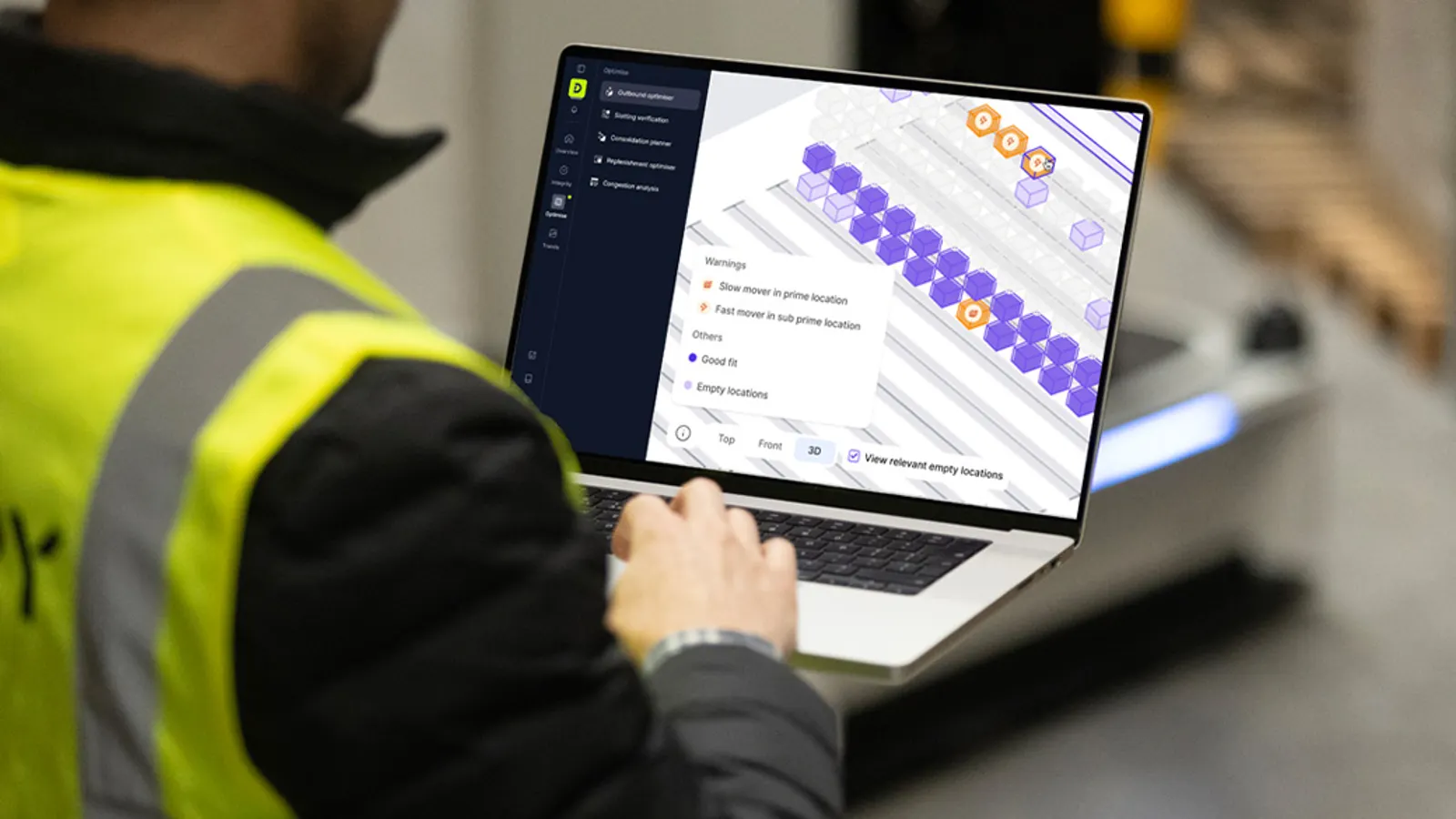 The Role of Intelligent Warehousing in Driving the Future of U.S. Manufacturing">

The New Powerhouse Behind U.S. Manufacturing Growth
The resurgence of manufacturing in the United States isn’t just about reshoring factories or new automation on the production floor—it’s increasingly about how warehouses have evolved from mere storage spaces to strategic nerve centers that make manufacturing tick smoothly. This shift is reshaping the entire manufacturing landscape, putting warehouses front and center as engines of efficiency and agility.
Warehouse Evolution: From Passive Storage to Active Operations
Traditionally, warehouses were the quiet warehouses tucked away in the background—just places to park inventory until needed. Nowadays, these facilities have become dynamic, data-driven operation hubs. Their smooth functioning directly impacts the continuity of supply chains. Disruptions at warehouses can cascade into delays across production lines, hitting manufacturers where it hurts most: profits. In fact, studies show that mishaps in supply chains can chip away at nearly half a year’s profits over a decade.
Given pressures like labor shortages, tariffs, and unpredictable demand, having warehouses that can pivot efficiently has morphed into a vital competitive advantage. The secret sauce here? Three standout technologies — robotics, digital twins, and data intelligence — are flipping the script on what warehouses can do.
Robotics: Steering Agility and Scaling Demand
Warehouse robotics have come a long way from just moving pallets around. Today’s robots merge autonomous navigation with realtime sensing and AI smarts, handling tasks like order picking, packing, and even stock counting. This lets human workers focus on bigger-picture problems instead of the same old repetitive chores.
For manufacturers, the payoff is clear: faster throughput, fewer production hiccups, and quicker access to needed materials. The beauty of robotic systems lies in their flexibility. When market demand takes a roller coaster ride up or down, these robots can adjust their output without major infrastructure overhauls—key in a world where uncertainty is the only constant.
Digital Twins: Seeing the Warehouse in Real Time
Imagine creating a virtual double of the entire warehouse that moves and changes exactly as the real one does. That’s a digital twin. This virtual peer allows people overseeing manufacturing to run simulations—testing new layouts, predicting space needs, and spotting potential bottlenecks—without touching a single pallet or packing box.
Businesses that tap into digital twins have clocked operational efficiency gains of around 15% and system effectiveness that jumps by over 25%. Manufacturing environments where every second lost means dollars gone find these virtual models invaluable for preempting supply interruptions and ensuring that parts and products appear exactly where they should, precisely when they’re needed.
Data Intelligence: Making Sense of It All
Warehouses are buzzing with activity around the clock, generating mountains of data. Not long ago, this information was overwhelming and underused. Now, thanks to modern data intelligence platforms, all those data points are analyzed to provide a complete and integrated view of inventory levels, spatial constraints, and performance metrics across the whole warehouse network.
This leap forward produces some impressive numbers: nearly perfect inventory accuracy, drastic cuts in manual stock counts, and shorter stockholding times. The result aligns perfectly with lean manufacturing principles—reducing waste and fostering smooth, continuous flows throughout the production cycle.
When these data-driven platforms are paired with predictive analytics, warehouses move from firefighting problems to nipping them in the bud. The result? Protected productivity, smoother operations, and healthier bottom lines.
Integrating Technologies: The Intelligent Warehouse Ecosystem
While robotics, digital twins, and data intelligence each offer powerful benefits on their own, their magic truly happens when they work together. Robotics deliver pinpoint physical accuracy; digital twins provide the operational context; and data intelligence acts as the connector, making everything visible, understandable, and responsive in real time.
This integrated ecosystem lets warehouses adjust seamlessly to sudden changes—whether surges in demand, shipping disruptions, or supply shortages. The bottom line is clear: increased agility, laser-sharp accuracy, and a solid foundation for sustainable manufacturing growth.
The Strategic Win: Warehouses as the Backbone of U.S. Manufacturing
Often lost in the spotlight on manufacturing are warehouses. Yet these spaces, equipped with cutting-edge technology, ensure factories can crank out goods without skipping a beat. Investing in smarter warehouse tech is not just about efficiency—it’s about building resilience and sustaining competitiveness in an ever-evolving market.
Impact on Logistics: A Close-Knit Relationship
This warehouse revolution is a game changer for logistics professionals too. Improved warehouse accuracy and agility mean shipments move faster and more reliably, fewer stockouts occur, and freight flows are smoother. For cargo providers, freight forwarders, and transport coordinators, partnering with warehouses that leverage such technologies means better predictability and less guesswork in distribution and moving.
For companies and individuals planning relocations, home or office moves, or the shipment of bulky goods and vehicles, these developments hint at a future where delays and mishaps could become less frequent. Platforms like GetTransport.com—which provides global cargo transportation options at affordable rates—stand to benefit by integrating with this increasingly tech-savvy ecosystem. Their ability to orchestrate shipments of furniture, vehicles, pallets, and parcels worldwide becomes more streamlined and efficient as warehouses embrace next-gen tools.
Experience Over Reviews: Why Personal Choice Matters
While glowing reviews and data-driven reports about warehouse innovations are encouraging, nothing beats firsthand experience. The smart integration of technology within warehouses promises a future of reliable freight handling and timely delivery, but it’s up to customers to see how these advancements perform in real scenarios.
Thanks to platforms like GetTransport.com, anyone can access competitive shipping offers worldwide and choose services that fit their needs without burning a hole in their pocket. This transparency and convenience empower customers to navigate the complex logistics landscape confidently, minimizing risks and maximizing the value of their cargo shipments. Rezervujte si teraz na adrese GetTransport.com to experience how advanced logistics meets affordability.
Looking Ahead: The Logistics Horizon
These warehouse advancements might seem like a niche technical revolution, but their ripple effect on global logistics is noteworthy. Even if the changes do not overhaul the entire industry overnight, they signal a steady march towards more connected, intelligent, and adaptable supply chains. For businesses and logistics providers alike, staying tuned into such developments is crucial to maintaining a competitive edge.
At GetTransport.com, there’s a clear commitment to keeping pace with such shifts, ensuring that cargo transportation solutions offered reflect the best in innovation, convenience, and cost-effectiveness. Start planning your next delivery and secure your cargo with GetTransport.com.
Summary: The Warehouse Revolution and Its Broader Impact
The transformation of warehouses into cutting-edge, data-rich hubs powered by robotics, virtual reality replicas, and advanced analytics is fueling the next phase of U.S. manufacturing. This shift enhances production agility, reduces downtime, and ensures materials flow without a hitch. These improvements underscore a vital connection to logistics and freight management, as reliable warehousing bolsters shipment efficiency, haulage accuracy, and smooth distribution.
Whether it’s moving industrial inputs or overseeing bulky international shipments, the trend towards intelligent warehouses helps create a more resilient supply chain framework. Platforms like GetTransport.com harness these benefits by offering global transport solutions tailored to diverse shipping needs—from parcels to pallet deliveries and beyond—helping customers navigate complex logistics challenges easily and affordably. This synergy between warehousing innovation and transportation services paves the way for smarter, faster, and more reliable goods movement worldwide.