


 Slovenčina
  English (UK)
  Русский
  العربية
  日本語
日本語  한국어
한국어  Magyar
  Türkçe
  Español
  Čeština
  Svenska
  Português
  Ελληνικά
  Suomi
Suomi  Nederlands
  Română
  Italiano
  Français
  Polski
  Українська
  Deutsch
  简体中文
简体中文 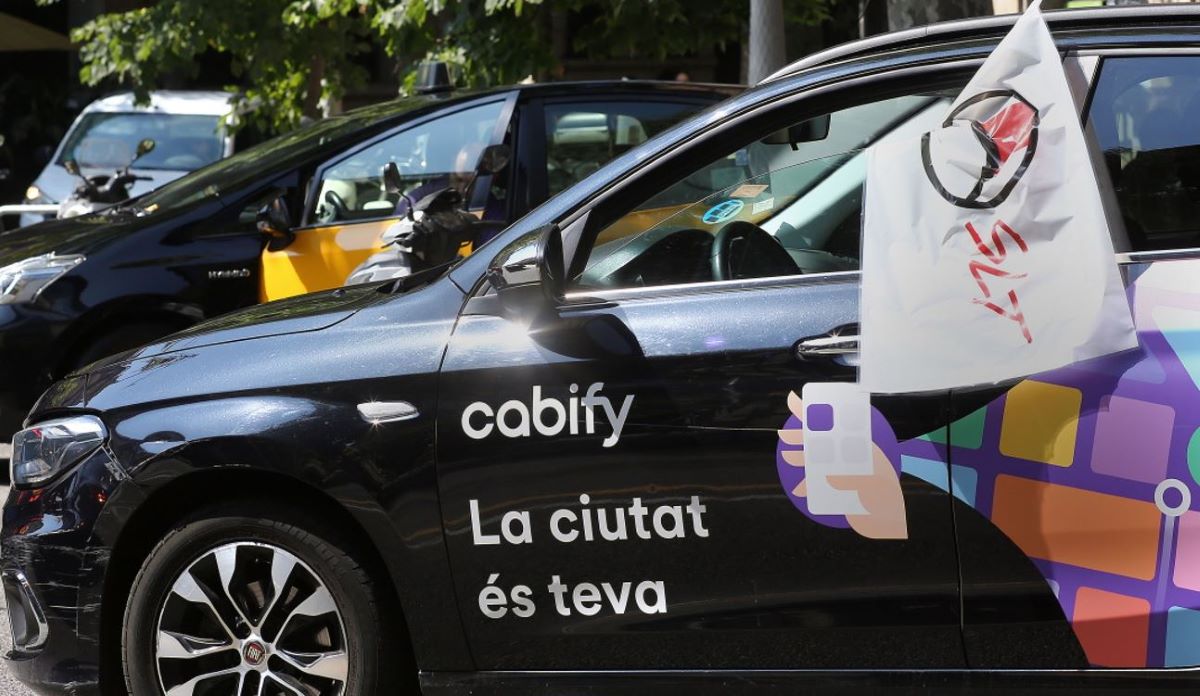 European Court of Human Rights Reviews Vehicle Immobilization Issues Affecting VTCs in Barcelona">

Understanding the VTC Vehicle Immobilization Controversy
The European Court of Human Rights (ECHR) has taken a significant step by admitting a case concerning the immediate immobilization of VTC (Vehicle for Hire with Driver) vehicles in the Barcelona Metropolitan Area. The practice allows authorities to immobilize VTC vehicles on the spot following simple administrative complaints, even before any final sanction is established, and requires upfront payment of fines reaching up to 4,001 euros to release the immobilized vehicle.
Legal Grounds and Discrimination Concerns
This immobilization practice is rooted in Article 143.4.a) of Spain’s Land Transport Organization Law (LOTT). Notably, this rule discriminates against VTC vehicles, as it exempts traditional taxis from such immediate sanctions. This discrepancy results in unequal treatment of transport operators providing similar services within the same urban environment.
The Metropolitan Area of Barcelona (AMB) has routinely denied urban permits to VTC operators, a practice that has been challenged and partially annulled by the Superior Court of Justice of Catalonia. Courts now frequently instruct AMB to revisit its decisions and grant licenses to VTC applicants who meet the established legal requirements.
The Current Situation of VTC Operators
The association Unauto VTC Catalunya, representing VTC professionals in the region, describes the situation as “unsustainable and unjustifiable.” Thousands of drivers face irreparable financial losses due to what they argue are disproportionate sanctions, taken without concrete evidence or final rulings. They highlight that automatic vehicle immobilization is unprecedented in other sectors and underline that taxis are not subject to comparable administrative immobilizations.
Implications of the ECHR’s Decision
The ECHR accepting the case for consideration is a notable occurrence, as only around 10% of submitted claims pass the initial review. The Court’s acknowledgment suggests the allegations merit thorough scrutiny and could potentially lead to a ruling against Spain for violating fundamental rights. Although the Court has not yet ruled on the case’s substance, this opening raises concerns about practices punishing entire professional groups absent judicial procedures, risking job losses and sector destabilization.
Statements from Industry Leaders
José Manuel Berzal, National Executive President of Unauto VTC, has urged administrations to stop ignoring the situation. He criticized actions by groups like Élite Taxi, which announced training sessions for local police and actively participates in sanction procedures against VTC drivers—actions he views as extraordinary and without precedent in Europe. This indicates institutionalized pressure and conflict within the urban transport landscape in Barcelona.
Calls for Policy Revisions and Fair Practices
Unauto VTC Catalunya demands the immediate suspension of automatic vehicle immobilizations and a thorough review of the sanctioning framework. The goal is to establish sanctioning policies that respect proportionality, equality before the law, and legal certainty for thousands of legal VTC service providers in Catalonia. The association reached out with an official letter to the president of the Institute of Metropolitan Transport (IMET), urging urgent meetings to seek constructive solutions.
Summary of Key Issues
- Immediate immobilization of VTC vehicles upon administrative complaint, without firm sanctions.
- Discriminatory treatment compared to taxi operators, who are exempt from similar measures.
- Judicial challenges resulting in reversed permit denials by authorities.
- Sector-wide financial impact and concerns over job security for VTC professionals.
- Institutional tensions involving non-governmental organizations influencing enforcement.
Potential Effects on Urban Transport Logistics
The immobilization practices and ensuing legal disputes create ripple effects beyond just driver livelihoods—they impact the efficiency and reliability of urban passenger transport logistics. VTC services play a critical role in providing flexible, on-demand transport solutions that complement traditional taxis and public transit. Disruptions caused by immobilizations may reduce transport capacity, prolong passenger wait times, and complicate urban mobility management.
For logistics professionals, these dynamics underscore the importance of stable, fair regulatory environments to maintain the smooth flow of freight and passenger transport services. When key segments of urban transport face legal uncertainties or operational restrictions, coordination challenges escalate, ultimately influencing delivery schedules and distribution strategies.
Table: Comparison of Transport Sector Sanction Practices
| Aspekt | VTC Vehicles | Taxi Vehicles |
|---|---|---|
| Immediate immobilization upon complaint | Yes, without final judgment | No |
| Requirement of upfront fine payment to release vehicle | Yes | No |
| Usual permit denial practice by AMB | High rate of denials, courts overturn many | Not applicable |
| Influence of private groups in enforcement | Nahlásené, e.g., Élite Taxi training police | None |
Why This Matters to Logistics and Freight Transport
While this case centers on passenger transport vehicles, it reflects broader themes crucial to logistics: equitable regulatory treatment, fast but just enforcement, and operational predictability. The transport ecosystem—whether moving people or freight—thrives on clear, balanced rules that ensure service providers can operate without fear of arbitrary actions.
GetTransport.com’s marketplace model embodies the opposite: a transparent platform offering users global access to transport services, including bulky goods, home or office moves, vehicle shipments, and parcel deliveries. Unlike the regulatory uncertainties affecting VTCs in Barcelona, platforms like GetTransport.com streamline logistics operations, empowering customers to book reliable and cost-effective transport solutions worldwide.
Choosing Your Cargo and Passenger Transport Partner
Of course, no amount of reviews or feedback compares to firsthand experience. When it comes to booking your next shipment or passenger transport, you want transparency, affordability, and choice.
GetTransport.com offers all these and more, providing access to a wide selection of carriers with upfront vehicle information, pricing, and ratings so you can make confident decisions without the hassle or hidden costs.
Benefit from the convenience of selecting trusted carriers for your freight, parcel, bulky goods, or relocation needs, all backed by an intuitive global platform that caters to diverse logistics requirements. Book your ride today and get the best offers at GetTransport.com.
The Road Ahead: Impact on Global Logistics
The European Court’s consideration of this case may not cause seismic shifts in global logistics overnight, but it signals a growing recognition that regulatory fairness and due process are vital pillars. This message resonates within logistics as regulators worldwide evaluate policies to balance diverse transport modes fairly, protect operators’ rights, and enhance operational stability.
While the immediate effects may be localized to Barcelona’s transport sector, the principles under review shape how emerging mobility services can integrate sustainably into complex transport networks globally. GetTransport.com stays tuned to such developments to ensure its offerings remain adaptive and aligned with the evolving landscape.
Začnite plánovať ďalšiu dodávku a zabezpečte si náklad pomocou GetTransport.com.
Záver
The dispute over VTC vehicle immobilizations in Barcelona underscores critical issues of legal fairness, regulatory discrimination, and the broader impact on urban transport logistics. Immediate vehicle immobilizations and disproportionate sanctions, absent judicial review, have triggered financial hardships and sector unrest, raising fundamental questions about equal treatment among transport providers.
Beyond the local controversy, these challenges affect how passenger and freight transport systems are governed, highlighting the need for clear, balanced policies that support reliable service delivery. Platforms like GetTransport.com exemplify transparent, customer-centered logistics solutions that thrive on openness and choice, catering to cargo, freight, relocation, and bulky goods transport worldwide. This approach reinforces the importance of adaptable, fair, and efficient logistics services in today’s interconnected world.