


 Slovenčina
  English (UK)
  Русский
  العربية
  日本語
日本語  한국어
한국어  Magyar
  Türkçe
  Español
  Čeština
  Svenska
  Português
  Ελληνικά
  Suomi
Suomi  Nederlands
  Română
  Italiano
  Français
  Polski
  Українська
  Deutsch
  简体中文
简体中文 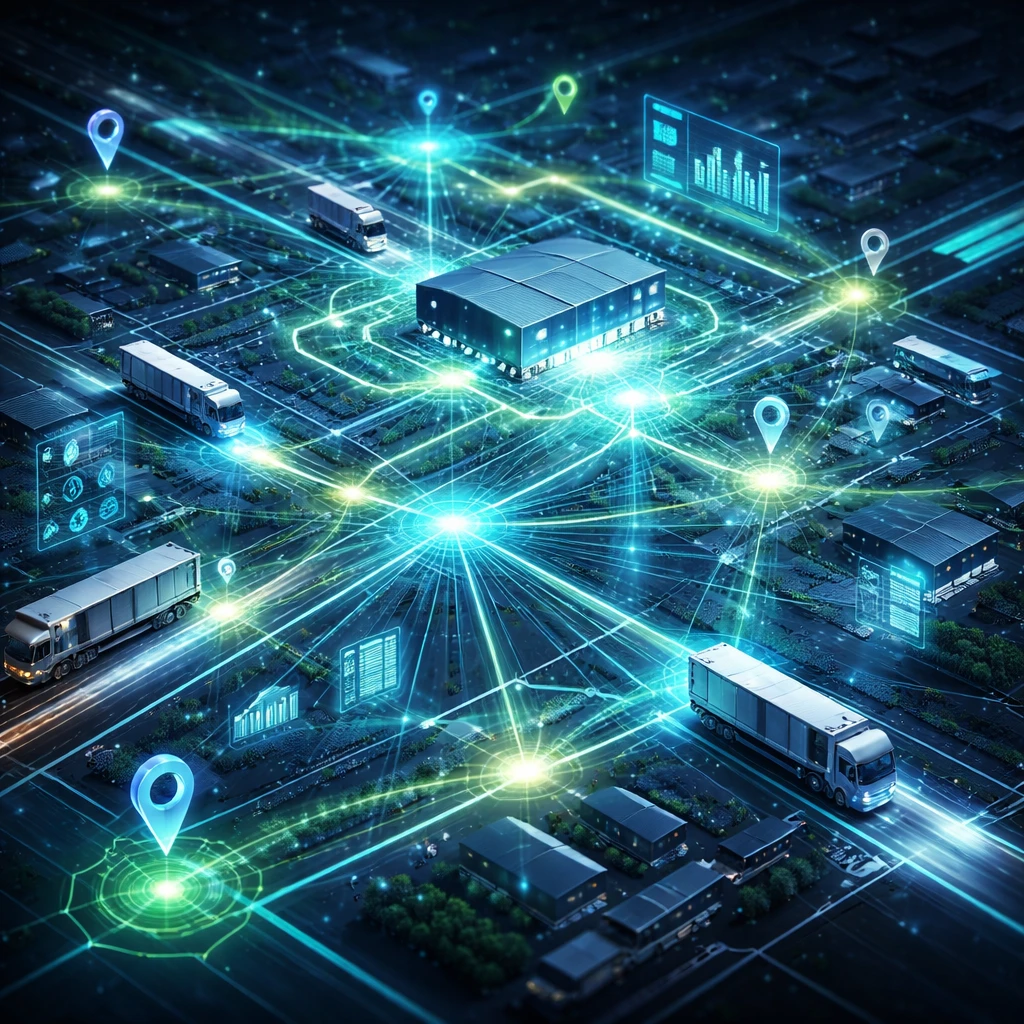 How AI Is Transforming Freight Operations: From Load Matching to Predictive Logistics">

AI changes freight work from finding loads to guessing needs.
Fumbling through phone tag, freight was moved by spreadsheet guesses and hunches. Sure, it limped along – most times. Yet delays piled up, reactions lagged, gaps stayed hidden.
Right now, machines are changing the rules behind the scenes. Forget dramatic images of robots rolling down roads – this shift runs on hidden math. It picks who hauls what, spots mechanical issues ahead of breakdowns, and predicts traffic jams hours before cars pile up. Decisions once made by gut instinct now follow patterns only software can see.
Far below, things run differently now. On top, the difference slips by unnoticed.
Manual Work Becomes Smart Platforms
Back then, matching loads relied entirely on what people could recall. Sometimes, a broker would think of a driver who was probably close by. Instead of software, someone picked up the phone and started checking options. Trucks often moved out with no cargo just because the right call didn’t happen in time.
Out of nowhere, machines started seeing freight matches as odds games. Today’s systems chew through piles of old shipment records, usual route choices, truck types, seasonal needs, and live GPS signals.
Rather than wondering which carrier could say yes, the software guesses who will probably agree – offering solid pricing while dodging late moves. It just feels like flipping a coin that already knows the outcome.
For fleets and logistics professionals looking to see these innovations in action, resources like Trucker Guide provide actionable tips, real-world examples, and industry insights to help operations run smarter and more efficiently.
Big changes happen when trucks move smarter. Because systems spot which drivers fit certain routes best, good pairings pop up fast. Hours of phone tags and message threads get replaced by quiet, instant suggestions behind the scenes. Full trailers rise. Empty runs drop. Deals go through quicker – all fed by one steady skill: knowing who does what well. Machines see patterns people miss.
Now it’s clear – digital freight platforms matter more than ever. Not mere posting spots these days. Optimization runs deep, shaping how space moves through whole systems, and it always adjusts.
Predictive Maintenance Fixes Issues Before They Happen
Machines ran until they failed. That was the old way. When parts gave out, repairs followed – simple but flawed. Any driver knows the cost of downtime when a rig stops dead beside the road. Waiting turns minutes into hours, fuel burns without moving.
Fleet upkeep changes when predictions come early. Sensors feed engine stats into smart software, while shifts in shaking behavior get cross-checked against past crash records. If familiar warning signs appear – like odd tremors combined with fading stopping power – the truck gets marked for service ahead of any noticeable problem.
What matters most isn’t only skipping breakdown fixes. Keeping deliveries on time means holding up promises to customers. When a shipment fails, the ripple effect usually outweighs any single repair bill. Stopping surprise stoppages helps fleet teams stay steady, cutting through the scramble of sudden changes. Predictable operations replace frantic reactions.
This builds tougher operations gradually. Rather than chasing breakdowns, crews handle upkeep through scheduled routines powered by real-time information.
Dynamic Routing Adjusts as Conditions Change
Out there, roads shift without warning. Just because a path looked clear yesterday does not mean it still holds today. Delays pop up where none were expected. Weather cuts across plans like a sharp edge. Trucks arrive only to find dock doors closed. What seemed fixed at launch unravels by noon.
Every time things shift, a fresh path gets picked automatically. Instead of sticking to old plans, these tools watch live updates – like storms piling up, roads jamming, docks slowing down, or storage hubs backing up. As data flows in, adjustments happen without waiting. The moment something changes, another way forward appears.
Here’s when knowing the details really matters. Saving distance? Not the main point. What counts is lining up every step tied to moving goods. A holdup somewhere down the line could mess up the next stop – unless the system shifts timing, picks a different road, or sends alerts without anyone stepping in. This kind of flow changes how routes are handled – from fixed lines on paper to active oversight that reacts. Coordination like this shapes decisions before problems spread.
Faster trips plus using less fuel show clear gains. What really matters? How quickly things can shift when needed.
Demand Predicted Ahead of Network Impact
Nowhere near as limited by past patterns, today’s freight predictions dig into countless factors. Machines pore over economic shifts, plus how seasons affect buying habits. Inventory data flows into the system alongside odd details like local storms. Decisions once based on gut feeling now hinge on layered inputs. These models see connections people might miss. Weather in one zone can ripple through supply chains everywhere.
Weeks ahead of busy seasons, logistics crews adjust space using clearer forecasts. Not caught off guard by sudden jumps in volume, they line up transport early. Fewer last-minute truck hunts happen at rush times because of this planning. When orders slow down, equipment sits less often with nothing to do.
This shift reshapes contract talks, steering where firms put their money. Because predictions improve, betting on the future feels less risky – sudden, costly scrambles fade into the background.
Behind the scenes, freight operations take up a lot of unseen work. Getting price estimates, setting up delivery times, handling paperwork – these eat away at daily hours. Slowly but surely, artificial intelligence handles more of it each day.

When someone asks about a shipment, software that understands everyday speech can reply with pricing right away. Because machines now read freight papers by themselves, there is no need for people to enter numbers by hand. Questions like “Where is my cargo?” get answers through chatbots, so staff handle unusual cases instead of repeating tasks.
Here’s what shifts quietly yet significantly. With routine admin tasks gone, those running operations shift toward wider choices. Paper trails fade, leaving room to study results, shape deals, or rethink how connections flow across systems.
Data Drives Ongoing Improvement
One thing changes everything when AI ties it all together in a cycle that keeps adjusting itself. Because load choices shape how well routes work. When route patterns show up, they guide when fixes happen. If repairs hold strong, deliveries stay on track. What happens at drop-off tweaks what we expect customers will need next.
A few key spots reveal how things actually change on the ground:
– Intelligent load matching that reduces empty miles and improves capacity utilization.
– Predictive maintenance that prevents breakdowns and stabilizes delivery schedules.
When conditions change, the system adjusts paths instantly. Roads busy? It finds another way. Rain slowing things down? A new route appears. If a stop takes longer than expected, plans shift without waiting. Movement stays smooth even when surprises happen. Every decision happens on the fly, based on what is happening now. No fixed path locks it in place.
Ahead of time, fleet managers get a clear picture when volumes change. Predictions adjust as conditions shift across routes. This way, resources match what’s coming down the pipeline. Load shifts show up early through pattern tracking. Preparation happens naturally when signals are clear. Volume surprises fade when insights come early. Systems respond more smoothly when alerts align with real needs.
One task at a time, machines now handle quotes without help. Scheduling gets managed by software instead of people. Paperwork moves forward on its own through digital steps.
One glance at this lineup shows how AI shifts everyday tasks, even as the article digs into bigger-picture thinking later on. What matters here is speed – getting straight to what alters routines now, without waiting around.
Save Money While Keeping Service Quality
A common belief sticks around: machines exist just to save money. Yet in trucking, a different picture shows up – keeping costs steady while making deliveries dependable. When artificial intelligence cuts wasted trips, avoids mechanical failures, and stops delays before they happen, spending goes down naturally. Meanwhile, shipments arrive when promised, people notice the difference, and trust builds slowly. The result? Fewer surprises, smoother runs, better outcomes without shouting about progress.
Seeing both sides makes it clear why so many in charge of moving goods see artificial intelligence as essential, not just another test. Because they rely on forecasts shaped by numbers, their work runs more smoothly and costs less. Hard to keep up when you are still doing everything by hand.
The Move to Forecasting in Supply Chains
Altogether, these shifts point to something larger unfolding. Now, freight isn’t just reacting – it’s learning when trouble might hit before it does. Rather than waiting, smart systems see delays coming, shift assets ahead of time, while shaping choices on the fly.
This doesn’t remove the need for skilled people. Instead, it makes their knowledge more valuable. Seasoned experts in the movement of goods now rely on deeper data and better predictions. Rather than fixing problems every day, they focus on planning or dealing with unusual cases – times when experience really counts.

Down the road, companies using smart forecasting tools may pull further ahead of peers sticking with old-school ways. This isn’t some test phase anymore. Day by day, it runs beneath the surface of common tasks, shaping countless choices without fanfare.
Out there on the roads, things seem unchanged. Hauling happens, goods shift, packages reach their spots. Yet underneath what you see every day, artificial intelligence quietly powers more of how it all works – making decisions sharper without making a sound.