


 Slovenčina
  English (UK)
  Русский
  العربية
  日本語
日本語  한국어
한국어  Magyar
  Türkçe
  Español
  Čeština
  Svenska
  Português
  Ελληνικά
  Suomi
Suomi  Nederlands
  Română
  Italiano
  Français
  Polski
  Українська
  Deutsch
  简体中文
简体中文  Artificial Intelligence in Logistics – A Game-Changer for Transportation">

Odpovedzť na túto výzvu implementovaním AI-powered systém predikcie dopytu a dynamickej trasy, ktorý prepojuje objednávky, zásoby a kapacitu prepravcov s údajmi o premávke a počasí v reálnom čase. Tento prístup reduces variabilita a zrýchľuje deliveries, prinášajúc merateľné zisky: spotreba paliva môže klesnúť o 12-20% a spoľahlivosť včasnosti sa môže zlepšiť o 15-25%, keď sú trasy neustále optimalizované. Naplánujte zamerané testovacie prevádzky v jednom regióne a postupne rozširujte.
Automatizujte documents a faktúry s optickým rozpoznávaním znakov a spracovaním prirodzeného jazyka; tým sa zabezpečuje konzistencia dát a zrýchľujú sa vyporiadania. Použite AI na extrakciu a zúčtovanie sumy pri objednávkach a faktúrach, označovať nesúvody a automaticky schvaľovať rutinné platby. Vďaka tomu, že work práca plánovačov a účtovníkov sa stáva predvídateľnejšou a zvyšuje sa presnosť.
Využite AI na optimalizáciu haulhubs umiestnenie a návrh siete. AI-riadená konsolidácia znižuje počet ciest a deliveries do preplnených jazdných pruhov; znižuje aj prázdne míle. The goal je udržiavať úrovne služieb a zároveň znižovať náklady. Očakáva sa zlepšenie včasnosti o 10-30% a zníženie celkových prevádzkových nákladov o 8-15% po plnom nasadení.
Tieto zmeny ovplyvňujú pracovné miesta mierne posuny rolí smerom k riešeniu výnimiek, analýzam a prispôsobovaniu modelov. Tímy keep frontline expertise intakt a knowledge plynie cez oddelenia, kedz modelle su implementovane v dennom planovani. Manažeri možu apply rozhodovanie na základe dát pre plánovanie trás, kapacít a výber dopravcov, čo znižuje prekážky a zlepšuje morálku.
Konkrétne kroky na spustenie transformácie: zobrazenie údajov cez objednávky, documents, faktúry a telematika; spustiť 90-dňový pilotný projekt v jednej oblasti so spoločnou definíciou dát; potom rozšíriť AI cez prepravné uzly a linky a integrovať s vaším TMS a WMS. Sledovať dopad počtom deliveries týždenne, presnosť predpovedí a zníženie oneskorení. Použite tieto výsledky na optimize plánovanie pracovných postupov a školenie tímov apply new knowledge to everyday work.
AI-poháňané prognózy dopytu: Zladenie zásob, kapacity a úrovní služieb
Implementujte predpoveď dopytu poháňanú umelou inteligenciou, aby ste zladili zásoby, kapacity a úrovne služieb. Začnite s 6-týždňovou posuvnou predpoveďou, prepojte ERP, WMS a TMS cez apis, aby ste zabezpečili včasný tok dát. Vytvorte rutinu dennej obnovy modelu a týždenných prehľadov zainteresovaných strán, aby ste preložili trhovú aktivitu do konkrétnych krokov v sieti. Použite konzistentné údaje z historických dokumentov, aby ste zachytili, čo poháňa dopyt, vrátane propagačných akcií, nariadení a externých signálov. Použite tento prístup pre každú položku SKU, čím znížite dopĺňanie zásob a optimalizujete dodávky v rámci celej organizácie.
Modelovací prístup a vstupné dáta. Použite hybridný modelový základ: časové rady pre základnú dopyt a strojové učenie pre výnimky, vyladený podľa produktovej kategórie, regiónu a kanála. Do modelu zadávajte čisté historické objednávky, zásielky, akcie a signály z trhu; zahrňte sezónnosť, cenové akcie a udalosti vstupu/výstupu SKU. AI identifikuje opakujúce sa vzorce a anomálie, čím zabezpečuje neustále zlepšovanie presnosti prognóz. To vedie k spoľahlivejšej úrovni služieb a pomáha zosúladiť dopĺňanie zásob s kapacitou siete, čo poskytuje väčšiu transparentnosť zainteresovaným stranám v celej organizácii.
Vláda a pracovné postupy. Vytvorte cezfunkčnú skupinu zainteresovaných strán a rutinu pre správu údajov. Definujte, kto schvaľuje prahové hodnoty prognóz, kadencu aktualizácie a cesty eskalácie. Zjednodušenie tokov údajov cez staršie systémy a nové API znižuje manuálnu prácu a dokumentuje dopad na úrovne služieb. Spomenite kontroly kvality údajov v rámci rámca riadenia, aby ste zabezpečili dodržiavanie predpisov a aby ste udržali organizáciu v súlade s tým, čo sa deje na trhu. Toto nastavenie poskytuje jasnejšie akčné kroky pre tímy obstarávania, skladu a dopravy, čo umožňuje včasné reakcie na výnimky a neustále zlepšovanie na všetkých úrovniach operácií.
Implementačný zameriavanie a výsledky. Začnite s kontrolovaným pilotným programom, rozšírte sa na cieľové segmenty na základe rizika a škálujte sa cez kanály pomocou modulárnych dátových kanálov a automatických signálov dopĺňania zásob. Udržujte neustály spätnú väzbu medzi chybami prognóz a dolaďovaním modelov. Zdôraznite pravidelné monitorovanie, robustnú správu dát a škálovateľnú architektúru, aby organizácia mohla prejsť z tradičnej, manuálne riadenej rutiny k dátovej, konzistentnej rutine, ktorá sa prispôsobuje trhovým dynamikám a regulačným obmedzeniam.
| KPI | Cieľ (Q3) | Data Source | Poznámky |
|---|---|---|---|
| Predikcia presnosti (MAPE) | ≤12% | Historické objednávky, povýšenia, externé signály | Sledovanie podľa produktovej kategórie a regiónu |
| Fill rate | ≥98% | Dopĺňanie zásob WMS, ERP | Zamerajte sa na najpredávanejšie tovary SKU. |
| Stock-out rate | ≤2% | Záznamy o inventáre | Upravte bezpečnostnú zásobu podľa volatility SKU |
| Inventárna obratnosť | 6x/rok | Zásobník a predaj | Maximálne zosúladenie s propagačnou aktivitou |
| Včasné príchozí/odchádzajúce dodávky | ≥95% | Prenosové dáta, TMS | Supports timely replenishment |
Real-Time Route Optimization and Dynamic Carrier Allocation
Implement a modular, API-driven route optimization engine that continuously ingests data from apis across carriers, traffic feeds, weather services, and warehouse systems. The engine recalculates routes every 5–15 minutes and reassigns moving loads to the most suitable carrier pool, reducing idle miles and improving on-time performance.
- Architecture and data flow: use a clean data model within the organization that connects apis from transport orders, GPS telematics, WMS/ERP, and equipment sensors. The knowledge base supports extracting insights, and data is standardized to minimize errors across those systems and equipment. This setup enables robots in hubs to coordinate with drivers and robots in sorting areas, accelerating decision-making and reducing friction in the dispatch cycle.
- Routing and allocation logic: implement a carrier-flexible solver that weighs cost, service window, capacity, and willingness to move loads. The module should continuously monitor conditions and, thus, adjust assignments across those carriers in near real time, creating balanced workloads and lowering empty miles.
- Operational execution: dispatchers view a real-time map with carrier status, ETA variance, and detour options. When conditions shift, the system suggests short re-plans and communicates changes to the relevant drivers and hubs within minutes, enabling quick, informed actions.
- Organization and skills: engineer-led teams should collaborate with logistics operators to test scenarios, extract lessons, and standardize data definitions. Maintain a repository of best practices that the companys network can reuse, and keep the team willing to adopt incremental improvements to workflows and interfaces.
- Performance and governance: track metrics like ETA accuracy, delivery window adherence, carrier utilization, and API latency. Use this data to refine strategies, reduce errors, and continuously improve the routing engine’s decisions and the cadence of reallocation.
Implementation steps
- Define data contracts for apis and standardize data models to reduce errors, then align on a single source of truth for shipments and equipment status.
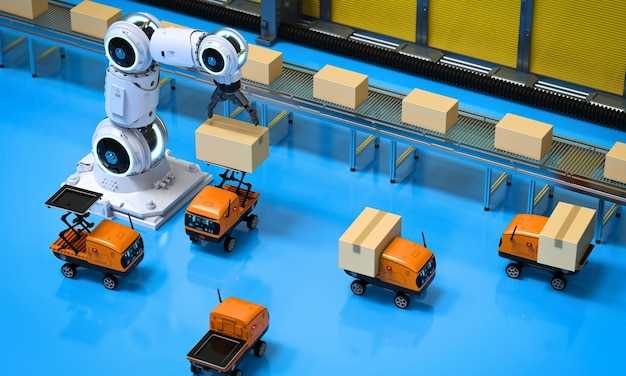
- Build a pilot with a modular compute layer and a limited set of carriers; integrate robotics and equipment where applicable to accelerate handling and visibility.
- Launch monitoring: establish dashboards for engineers and operators, with thresholds for automatic reallocation and alerting on deviations.
- Scale gradually across regions and products, iterating on the model, adding more carriers, and expanding the knowledge base to cover additional lanes and constraints.
Warehouse Automation with AI: Slotting, Picking, and Labor Planning
Deploy AI-driven slotting now to cut picker travel by 25-40%, improve storage utilization, and boost production throughput. Start with a pilot in a single zone to cover high-turn items, then expand to the full facility; early results show higher order accuracy and faster shipment readiness. This approach provides clear guidance for workers, ensuring they act faster and stay aligned with some demand signals from the market, and it reduces errors for them.
Slotting with AI

AI analyzes sales history, seasonality, and physical constraints to assign every SKU a dynamic slot. It weighs turns, cube, weight, and compatibility with conveyors, ensuring that high-velocity items sit near pick zones and packing. In pilots, slotting raised slot utilization by 12-25% and cut putaway cycles 15-25%, while stockouts dropped 10-20%. It covers replenishment risk, seasonality, and batch constraints; the result is smarter decisions, lower travel, and faster results at shipment time. For bols and other mixed-pallet configurations, automated slotting minimizes dead space and reduces put-away errors across large amounts of SKUs. Notifications alert when a slot becomes suboptimal due to demand shift, enabling quick re-slotting during non-peak hours. Explore how slotting logic responds to demand shifts to further optimize space and handling costs.
Picking and Labor Planning
Smart picking paths are generated by AI to minimize steps per order; route optimization reduces travel by 15-35% depending on layout. The system assigns tasks to workers or robots in real time, balancing workloads under varying conditions. It provides dynamic labor planning with cross-dock integration and real-time notifications about priority shipments, enabling teams to adapt quickly. It tracks production schedules and shipment deadlines, ensuring that high-priority orders ship on time. By basing decisions on current condition and production levels, managers gain a clear view of productivity across shifts, with data-backed targets and alerts. The approach also identifies bottlenecks, enabling proactive adjustments before they become problems, increasing overall throughput.
RPA for Order-to-Cash: Automating Invoices, Payments, and Exceptions
Recommendation: Launch two pilots to automate invoices, payments, and exceptions for a defined group of orders and customers, using apis to connect ERP, billing, and treasury platforms. Start with incoming invoices and remittance data, test automated cash application, and measure improvements before scaling. Use smart, programmed rules and powerful tools to reduce manual touchpoints, improve accuracy, and deliver faster responses to customers.
In each pilot, define clear scope: around 2,000 invoices per month per pilot, with a target auto‑match rate of 85–92% and auto‑remittance application of 70–85%. Expect manual interventions to fall by 40–60% and cycle times to drop from days to hours. These metrics will guide adoption decisions and set a predictable path to roll out across regions and product lines.
The automation will operate on the full Order-to-Cash flow: capture incoming invoices, validate data against orders, perform three‑way or two‑way matching within ERP, execute payments through banks or card gateways, apply remittances, and reconcile cash. When exceptions appear–mismatches, missing PO, duplicate invoices–the system provides structured answers and assigns tasks to humans with context, speeding resolution and continuous improvements. The approach leverages apis to link data across systems and deliver a unified, auditable trail for orders, sales, and deliveries.
Pilot design and KPIs
Set governance expected outcomes: measure touchless processing rate, cycle time, and accuracy. Track improvements in cash flow predictability, DSO changes, and the cost per processed invoice. Use pilots to validate data quality, test rules for various suppliers, and validate that the tools can operate with incoming data formats from manufacturing and distribution partners. The pilots should demonstrate how adoption reduces delays in delivering invoices to customers and accelerates remittance matching after payment.
Rules, integration, and risk management
Define programming rules that handle common scenarios: PO and receipt alignment, tax and currency validations, and auto‑approval thresholds. Integrate with ERP, AP, and bank systems via apis, and ensure one source of truth for orders and payments within the platform. Establish escalation paths for exceptions, maintain actionable logs, and implement controls to prevent duplicate payments and data leakage. Start with a small, controlled set of vendors and gradually expand to broader supplier networks to validate performance and compliance, then apply the learnings to broader manufacturing and sales processes. The adoption plan should suggest how to scale, what answers to provide to recurring issues, and how to train teams to operate the automated workflows without sacrificing accuracy.
Partner With Delaplex: Selecting AI-Powered RPA Tools and Running a Practical Pilot
Start with a four-week pilot across three departments (logistics, procurement, and customer service) using a customized, scalable RPA platform that integrates with your network of devices and notification systems. As mentioned by Delaplex, align the pilot with measurable KPIs: processing time, error rate, and staff touches. With Delaplex as your partner, you can decrease manual steps by 40-60% in core logistics workflows and capture data in seconds for leadership review. This concrete start helps you validate potential benefits before broader rollout.
Choose tools that are advanced and accessible, offering a platform with several prebuilt adapters for ERP, WMS, TMS, and CRM. The best-fit options include AI-powered automation modules, natural language processing for ticketing, and image recognition for barcode scanning. Ensure the tool supports customized bots for specific departments, with scalable deployment and human-in-the-loop capabilities; also prioritize user-friendly dashboards for frontline teams.
Design the pilot with a practical scope: pick 3-5 end-to-end processes, define success criteria, and set a go/no-go decision at week 4. Use a phased rollout: start in a non-production environment, then move to production in a controlled set of processes. Track performance with analytical dashboards and push notifications to stakeholder devices. The outcome shows measurable improvements in accuracy and speed, plus a clear map of ROI for broader adoption.
Partner with Delaplex to conduct a vendor comparison: evaluate several tools against data security, AI capability, integration ease, and total cost of ownership. Require a modular platform that allows easy swap of AI models and adapters as market needs shift. Prioritize features that provide automatic error handling, audit trails, and role-based access control across departments.
Execution tips: create a cross-functional team with representation from operations, IT, finance, and human resources to drive adoption. Schedule automated notifications for process milestones, monitor device health, and keep human-in-the-loop for exception paths. Document lessons and feed results into a customized roadmap for scaled deployment across the logistics network. Also involve frontline staff in post-pilot reviews to refine bots.
Pilot Design Checklist
Define three objective-driven use cases; ensure data quality; set success metrics; plan a four-week timeline; assign owners; confirm non-production environments; ensure security governance and audit readiness.
Tool Evaluation Criteria
Assess platform compatibility with ERP/TMS/WMS, licensing that scales across several teams, analytical capabilities, and ease of integration with existing network and devices. Verify customized workflows, smart automation features, and robust notifications. Check human-in-the-loop options, API coverage, and vendor support for ongoing updates and market shifts.