


 Slovenčina
  English (UK)
  Русский
  العربية
  日本語
日本語  한국어
한국어  Magyar
  Türkçe
  Español
  Čeština
  Svenska
  Português
  Ελληνικά
  Suomi
Suomi  Nederlands
  Română
  Italiano
  Français
  Polski
  Українська
  Deutsch
  简体中文
简体中文 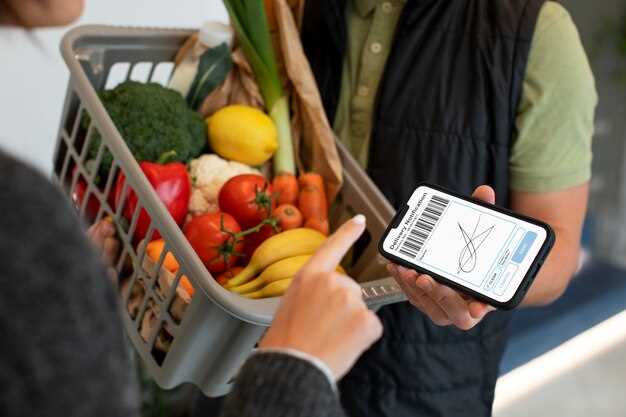 Nákup potravín v novom svete vďaka doručovacej službe v poslednej míli">

Adopt ai-powered last-mile delivery to cut delivery times by 25-35% and keep perishable items fresh, ensuring reliable service from store to door. By focusing on transporting groceries efficiently, you meet needs and turn lengthy waits into a convenient, predictable experience.
That transformation took root when retailers started to test real-time route optimization and precise execution on the road. Real-time route optimization reduces idle miles, while temperature control keeps seafood and other perishable items at safe levels from pickup to doorstep. Track each thing from order to delivery with clear status updates to avoid surprises.
Special capabilities like temperature-monitored containers, smart lockers for returns, and ai-powered dispatch ensure on-time windows. A small fleet can cover 60-90 households per hour when traffic is light, while larger zones require cross-docking and repositioning to maintain reliable service. This approach would also boost customer trust and reduce calls about delays.
Start with data-driven steps: map customer needs, segment the day into 3-4 blocks, and aim for a 95% on-time delivery rate. Set a baseline: 10-20% of orders include seafood, and track spoilage by item category to identify high-risk items. Invest in temperature-controlled bags and driver training to keep things cold or cool during peak hours.
Then implement continuous improvement: collect feedback, adjust routing, invest in training, and scale gradually with pilots in two districts. The focus stays on keeping the shopping experience convenient while expanding coverage along major distribution corridors, so customers feel the work of teams delivering on promises.
Practical Framework for Last-Mile Grocery in Food OEM Operations
Adopt a two-tier last-mile model with micro-fulfillment hubs embedded in brick-and-mortar networks near high-density stores to cut road time and enable instant replenishment for high-velocity SKUs, including items used by restaurants.
Structure the flow with OEM orders funneling into a plan hub, then hub-to-store dispatch and direct-to-consumer legs. Use cross-docking to move items from supplier to stores with minimal handling; keep cold chain intact for life-critical items to extend life; implement route optimization and dynamic scheduling to reduce road miles; assign dedicated drivers for high-demand routes to improve operational reliability. Aligning with suppliers and stores ensures forecast accuracy and reduces stockouts. The game is to cut waste and keep stores well stocked; dont rely on guesswork, cannot afford errors.
Operational targets should focus on reducing waste and increasing speed. Most time goes to picking, packing, and hand-offs; automate with pick-to-light and mobile scanners; use real-time visibility to prevent bottlenecks. Keep high-priority items in a fast lane and use instant reorder triggers for top SKUs. Track metrics: on-time to stores, order fill rate, spoilage rate, transit time, and cost per delivery. Use a simple dashboard to alert when SLAs are breached and auto-adjust routes.
Collaborate with the company, OEMs, supermarkets, and restaurants to standardize SKU lists, including standard pack sizes and handling instructions; for life-critical items, use temperature-controlled units and data loggers; share forecast data to prevent overstock and waste. Run pilots in a few markets to validate ROI and adjust fleet mix, including the use of smaller vans for dense urban routes and larger trucks for regional legs. Use used packaging materials where possible to cut waste.
Map Customer Journeys: From Online Order to Doorstep
Assign one owner for each touchpoint in the end-to-end order-to-doorstep flow, and establish a 15-minute daily review to track availability, late delivery risk, and service levels.
From the beginning of the process, align online signals with brick-and-mortar realities: ensure catalogs reflect current stock, price, and freshness in supermarkets, and connect to a live inventory feed that improves availability.
The map focuses on the handoffs: online cart to order, order to warehouse, warehouse to courier, and courier to doorstep, with clear ownership at each point.
Each facility links store shelves to couriers, balancing capacity, resources, and stock levels to meet customer expectations and needed demand.
Implement a simple pilot that uses real-time signals to map points of delay and identify where resources are needed; use this practice to streamline routing across complex networks.
Late deliveries call for a proactive support system: publish ETA windows, send proactive notifications, offer flexible options, and ensure customer support is ready to assist.
Everybody benefits when the data is shared: marketing aligns promises with capacity, operations reduces waste, and executives see clear cost-to-service insights.
Manufacturers and supermarkets can reinforce the map by sharing lead times and replenishment signals, reducing gaps and improving availability at the doorstep.
Maintenance and evolution: review every few weeks, adjust for new partners, update routes, and keep the map easy to read with common terminology so teams across the organization can act.
Forecasting Demand and Managing Fresh Inventory for Last Mile

Use a rolling 14-day forecast by SKU and store to align each order across the fleet, and consolidate multiple store needs into a single weekly replenishment to cut last-minute trips and protect margins. This is a practical step for teams to adopt quickly, keeping planning simple and actionable.
Gather signals from sales, promotions, weather, holidays, and local events. Clustering stores by demand patterns and fresh profiles reveals unique segments you can share forecasts and inventory decisions across both brick-and-mortar and online channels.
Convert forecast into basics: set min and max levels per SKU per store, target 95% of SKUs available for core items, and keep 2-3 days of fresh cover in DCs and stores to reduce wasted stock and protect margins; address last-minute spikes with flexible replenishment, making the process convenient for store teams and customers.
Design the last mile around a compact, flexible fleet that can handle swings in demand. Use faster routing, cross-docking when volume spikes, and near-live updates to reduce mile traveled and redundant trips; this approach helps everybody rely on fresh stock without overburdening the network.
Example: A regional grocer implemented clustering and a shared forecast across 5 store clusters. Within 8 weeks, core item in-stock rose to 98%, waste dropped 18%, and margins improved by 3–4% on fresh categories. The approach proved convenient for customers and made replenishment faster without duplicating orders.
Everybody in the team can read a simple dashboard showing availability, waste, and margin trends; use these signals to adjust step-by-step procedures and keep the focus on availability and freshness across mile-long last-mile operations.
Cold Chain Compliance: Temperature Monitoring, Packaging, and Handling
Adopting a 24/7 temperature monitoring system across cold-storage points directly supports groceries freshness and safety. Install validated probes at loading docks, distribution hubs, and last-mile vehicles, and connect them to automatically triggered alerts that trigger when temps drift outside 2-8°C for refrigerated items or -18°C for frozen goods. Tie monitoring to etas so dispatch can adjust routes in real time. This practice supports growing user trust among shoppers.
Maintain cold-storage zones at 2-8°C and frozen zones at -18°C; use data loggers that record at least every 15 minutes during transit and at loading/unloading checkpoints. A user-friendly dashboard summarizes temps, excursions, and duration, usually accessible to the user on mobile and desktop. Alerts trigger automatically when readings breach the target window, enabling immediate corrective action when needed.
Packaging options including insulated boxes, rigid foam coolers, gel packs, and phase-change materials that maintain target temps for 6-24 hours depending on external conditions. Such packaging is commonly used across multiple groceries deliveries and can be tested with real-world routes to confirm performance.
Define a step-by-step handling protocol from cold-storage to last mile, ensuring goods are transferred directly to refrigerated vehicles, with minimal door openings. Pre-cool items before loading and apply strict chain-of-custody labels at every handoff. This practice reduces risk of temperature excursions and protects product quality. Such practices increase repeatability across routes.
Data-driven management: Record and review at points along the route; volumes of groceries moved per route; analyze excursions to identify points of failure; implement corrective actions. This strategy focuses on reducing excursions and improving response times.
Habits and training: Train users across warehouses, drivers, and store staff; provide practical checklists, including habits such as verifying temperatures before departure and validating packaging integrity; adoption should be measured with quick audits.
In contrast to passive storage, automated monitoring reduces excursions; as volumes grow with last-mile expansion, increased reliability and traceability follow. This contrast helps operations keep groceries within target ranges across routes.
Rollout plan: begin with a three-hub pilot over 6 weeks; scale to full network within 90 days; track spoilage rate, on-time deliveries, etas, and customer satisfaction. This approach would improve consistency, help managers forecast capacity, and sustain adopted practices.
Real-Time Route Optimization for Perishables and Time-Sensitive Goods
Implement ai-powered routing with updates every 2-5 minutes to keep schedules aligned and ensure temperature-monitored conditions are maintained, so that items are delivered on time.
Real-time routing uses live traffic, weather, and order changes to recalculate the next-best path. It prioritizes fast handoffs, minimizes idle time, and factors available drivers, vehicle types, and depot constraints, keeping availability accurate and preserving promised windows for customers.
Reducing backtracking and unnecessary detours lowers costs by 12-25% in typical urban networks, while shaving total drive time by 20-30% and boosting on-time delivery rates to 95% or higher under normal conditions. The system compares multiple routing options, evaluates expected ETAs, and checks temperature constraints to prevent cold-chain violations.
Maintaining product quality relies on temperature-monitored sensors in each container, real-time alerts for deviations, and automatic rerouting when a sensor detects out-of-range conditions. This ai-powered approach prioritizes high-priority items first, preserves cold-chain integrity, and minimizes exposure time for sensitive goods.
Practices focus on standardized packaging with in-transit sensors, calibrated thresholds, and trained responders to alerts. Selection criteria for partners include sensor accuracy, API availability, data latency, and how they handle data backups. Availability of reliable data feeds is essential to sustaining accurate routing and keeping operations aligned with schedules.
Example: A grocer handles four zones with dairy, meat, produce, and ready-to-eat items. The system calculates routes that keep temperature targets within ±2°C, reorders stops when a delivery window tightens, and delivers 96% of orders within the promised slot, while reducing overall CO2 emissions from idle miles by 18%. This approach demonstrates how dynamic routing supports fast, reliable delivery while maintaining quality across complex networks.
Questions to surface with vendors or internal teams include: How often do you refresh routes? Can you support temperature-monitored pallets end-to-end? What are the integration points with our WMS/TMS, and how do you handle edge cases like last-minute cancellations or item substitutions? How do you measure success–delivery speed, freshness indicators, or customer satisfaction–and what is your example of realized improvements?
Partner Onboarding, SLA Setup, and Data Exchange with Delivery Vendors
Set a 14-day onboarding sprint with a shared data standard (API preferred, with fallback to EDI), and appoint a dedicated onboarding liaison to ensure all vendors meet the same requirements before go-live, boosting satisfaction and shortening ramp time.
-
Onboarding program
Definujte opakovateľný proces založený na rolách, ktorý zapojí spoločnosť a dodávateľov od prvého dňa. Zriaďte centrálne úložisko pre všetky artefakty onboardingu vrátane dátového slovníka, špecifikácií API/EDI, bezpečnostných politík a príručiek pre riešenie incidentov. Vyžadujte od dodávateľov, aby predložili doklad o licencii, poistení a možnostiach skladovania, ako napríklad skladovanie s regulovanou teplotou pre tovar podliehajúci skaze a mrazený tovar.
- Dátový slovník prináša jasnosť ohľadom požadovaných polí: vendor_id, warehouse_id, route_id, product_category, perishables flag, temperature range, packaging_type, service_level a delivery_window.
- Kritériá akceptácie špecifikujú pripravenosť na spustenie: dostupnosť koncového bodu, testovacie objednávky a komplexné aktualizácie stavu.
- Školiace materiály sa zaoberajú manuálnymi dotykovými bodmi verzus automatizáciou s cieľom znížiť trenie a urýchliť prijatie.
- Kontakty na podporu a eskaláciu sú zverejnené s definovanými časmi odozvy, aby sa počas prechodu udržala vysoká spokojnosť.
-
Nastavenie SLA
Navrhnite prehľadnú maticu SLA, ktorá bude zosúladená s realitou logistiky a maximálnymi objemami. Použite stupňovitý prístup pre sviatky a bežné dni, s automatickými kreditmi za opakované zlyhania a formálnym preskúmaním na konci každého štvrťroka.
- Dodacie ciele:
- Vyzdvihnutie načas: 98–99 % v dohodnutých časových oknách
- Včasné doručenie zákazníkovi: 98–99,5%
- Presnosť dodania (správna položka, správne množstvo): ≥99 %
- Miera poškodenia: ≤0,3 – 0,5 % zásielok (vrátane tovaru podliehajúceho skaze a mrazeného tovaru)
- Chladiaci reťazec a manipulácia:
- Tovar podliehajúci skaze a položky život zachraňujúceho významu musia udržiavať zdokumentované rozsahy teplôt (napr. 2–8 °C pre určité tovary podliehajúce skaze; -18 °C pre mrazené výrobky) s telemetrickými záznamami nahranými pre každú prepravu.
- Prekročenia teploty spúšťajú automatické upozornenia a urýchlené vyšetrovania
- Časy odozvy a obnovy:
- Kritické incidenty: potvrdiť do 60 minút, vyriešiť do 4 hodín
- Nekritické problémy: potvrdiť do 4 hodín, vyriešiť do 24 hodín
- Dáta a viditeľnosť:
- Aktualizácie stavu každých 15 minút počas prepravy; prepočet ETA do 5 minút od zmien
- Dokumentovaná cesta eskalácie pre výnimky, s jedným kontaktným bodom pre každého dodávateľa
- Plán posilnenia prevádzky počas sviatkov:
- Predikované objemy 1,5–3-násobne prevyšujú bežné denné objednávky počas vrcholných sviatkov; vopred alokujte kapacity s preferovanými prepravcami
- Motivujte včasné doručenie dočasnými kreditmi pre dopravcov, ktorí splnia sviatočné SLA.
- Dodacie ciele:
-
Protokol na výmenu údajov
Zabezpečte si robustný a škálovateľný prístup k výmene dát, ktorý podporuje viditeľnosť v reálnom čase a minimalizuje manuálne prepisovanie, na rozdiel od papierových procesov.
- Výmenné kanály a formáty:
- API (REST/GraphQL) pre udalosti v reálnom čase; SFTP/EDI X12 ako záloha
- Bežné formáty údajov: JSON, XML, CSV; verzované zmluvy na zabránenie zásadným zmenám
- Typy udalostí a dátová časť:
- order_created, pickup_scheduled, in_transit_update, delivered, exception, invoice
- Polia: order_id, vendor_id, warehouse_id, destination, delivery_window, items, quantities, perishables flag, temperature_logs
- Kvalita a validácia údajov:
- Povinné polia vynútené pri vstupe; kontroly formátu (dátumy, časy, teplotné jednotky); zosúladenie údajov vodiča a prenosného zariadenia
- ID korelácie na sledovanie zásielok v rôznych systémoch
- Bezpečnosť a riadenie:
- TLS 1.2+ prenos; OAuth2 alebo vzájomné TLS; prístup s najnižšími oprávneniami; audity uchovávané 365 dní
- Pravidelné bezpečnostné revízie a hodnotenia rizík dodávateľov
- Spoľahlivosť a spracovanie chýb:
- Automatické opakovania s exponenciálnym znížením; jasné limity opakovaní; podrobné kódy chýb; automatizované zosúladenie po hromadných aktualizáciách
- Politika uchovávania a archivácie údajov v súlade s regulačnými požiadavkami
- Očakávania výkonu:
- Latencia API pod 200 ms pre udalosti objednávok; dávkové prenosy do 15 minút od aktualizácií produkcie
- Úplnosť telemetrie ≥ 99% na zásielku
- Testovanie a spustenie do produkcie:
- Testovací plán zahŕňa komplexné scenáre pre štandardné zásielky, tovar podliehajúci skaze a mrazené položky, ako aj riešenie výnimiek
- Pilot s 2–3 partnerskými dodávateľmi pred úplným zavedením
- Výmenné kanály a formáty:
-
Riadenie, monitorovanie a neustále zlepšovanie
Vytvorte riadiaci kruh so štvrťročnými revíziami, ktorý sa zameriava na KPI, spokojnosť a kontrast medzi procesmi pred a po implementácii s cieľom neustáleho zlepšovania.
- Kľúčové metriky:
- Skóre spokojnosti dodávateľa a doba onboardingu
- Presnosť údajov pri prvom prechode a zníženie manuálneho zadávania
- Latencia viditeľnosti počas prepravy a miera výnimiek
- Integrita nosenia a regálov pre tovar podliehajúci skaze a mrazené výrobky
- Optimalizácia procesov:
- Priebežne prečistite polia, ktoré pridávajú malú hodnotu, a ponechajte si len základné údaje pre prevádzku a dodržiavanie predpisov.
- Zosúladiť prax s možnosťami skladu na efektívne zvládanie objemov
- Riziko a odolnosť:
- Pandémia alebo regionálne narušenia aktivujú vopred definované núdzové trasy a alternatívnych prepravcov.
- Záložné dátové kanály a offline režimy na udržanie životne dôležitých dodávok
- Dokumentácia a školenia:
- Udržujte príručky pre zaškolenie aktuálne; aktualizujte ich o poznatky z prázdnin a období špičky
- Poskytovať priebežné technologické brífingy na zníženie únavy z nových nástrojov
- Kľúčové metriky:
Implementácia týchto prvkov zabezpečuje efektívny onboarding, zlepšuje spoľahlivosť a znižuje trenice v rámci siete dodávateľov. Zameraním sa na kvalitu výmeny dát a jasné SLA získava spoločnosť silný prehľad o skladoch a prevádzkach poslednej míle, udržiava životnosť a kvalitu tovaru podliehajúceho skaze a zachováva spokojnosť zákazníkov aj počas sviatkov s vysokým objemom predaja a narušení spôsobených pandémiou.