


 Slovenčina
  English (UK)
  Русский
  العربية
  日本語
日本語  한국어
한국어  Magyar
  Türkçe
  Español
  Čeština
  Svenska
  Português
  Ελληνικά
  Suomi
Suomi  Nederlands
  Română
  Italiano
  Français
  Polski
  Українська
  Deutsch
  简体中文
简体中文 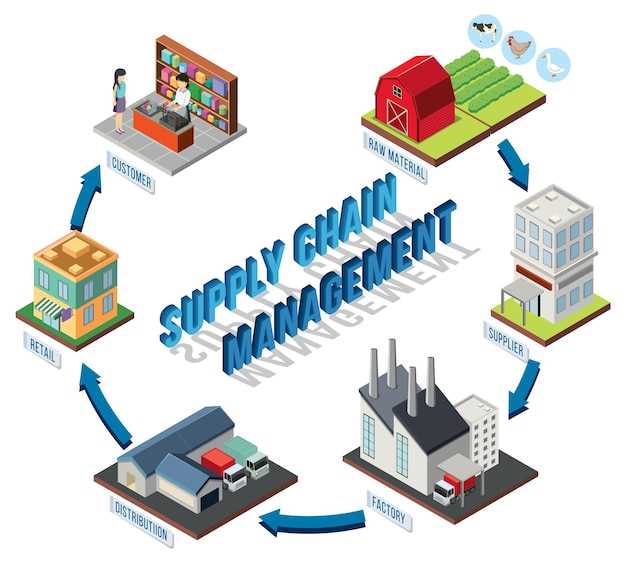 Udržateľné dodávateľské reťazce – ako automatizácia znižuje uhlíkovú stopu">

Implement automated, carbon-aware procurement and logistics planning now to reduce emissions more than 20% within 12 months. This concrete step links real-time data, predictive analytics, and end-to-end visibility to directly mitigate environmental impact across supplier networks. This approach has been validated by benchmarks in multiple industries.
Automatizácia toky of information and physical goods reduces empty miles, lowers transakcie costs, and helps align demand with available capacity. Companies that adopt route optimization, warehouse automation, and supplier portals report improvements in on-time delivery and up to 25% fewer emissions from transportation.
By integrating blockchain for traceability, you find anomalies in toky, verify commitments with suppliers, and mitigate environmental emissions. This approach chráni data integrity and helps avoid costly double entries and errors.
Automation connects transakcie across procurement, logistics, and production, and creates a closed loop that makes commitments real and measurable. The most skilled teams can use dashboards to find risk hotspots, compare supplier demand signals with capacity, and identify ways to cut emissions without sacrificing service levels.
Použite predictive analytics to forecast demand, align production, and avoid overstock. This dynamically reduces wasteful energy use in manufacturing and distribution, and aligns with commitments rezať environmental stopy.
To begin, map critical toky and pilot a 90-day test in one region, then scale as gains become clear. Train the most skilled planners in data-driven decision making, and pair them with blockchain-enabled suppliers to ensure transparent transakcie a spoľahlivé demand signály.
Automation-driven energy optimization in warehouses
Implement predictive, automation-driven energy optimization in warehouses by automating lighting and HVAC in high-density areas and tying controls to a centralized platform that learns from occupancy, times, and climate forecasts. This keeps energy use aligned with actual demand, lowers peak electrical load, and provides support for consumers and partners. In jusda facilities, combined lighting and cooling automation can deliver 25–35% savings in lighting energy and 15–25% reductions in cooling energy in the first year, with faster payback at scale. This progress is encouraging for consumers and partners.
To execute effectively, map complete energy use to areas such as receiving docks, high-density racks, and order-picking lanes. Install occupancy sensors, daylight harvesting, variable frequency drives on fans and conveyors, and demand-controlled ventilation. Automating maintenance with predictive maintenance alerts keeps equipment in spec and reduces energy waste caused by mismanagement. Collect data hourly, track trends, and scale proven configurations to multiple sites.
Key steps for automation-driven energy optimization
Audit current energy use in each area and identify the top three energy drivers. Select an energy optimization platform that integrates with existing BMS and WMS, then run a 90-day pilot in one zone before broad rollout. Define target metrics such as kWh per m2, kWh per pallet moved, and peak-demand reductions. Create a cross-functional team including operations, maintenance, and IT to own adoption and data governance, and use a phased rollout to manage risk while keeping operations complete and on schedule.
Leverage data to support climate goals, share insights with suppliers and customers, and encourage continuous improvement across multiple facilities. Maintain a continuous improvement loop by reviewing monthly results with site managers and adjusting controls as orders mix and times of activity shift.
Monitoring, maintenance, and risk management
Establish KPIs like energy intensity, on-peak energy share, and maintenance cycle compliance. Connect automated alerts to predictive maintenance so misalignment or device drift triggers timely service. Keep the system scalable by standardizing configurations across sites but allowing local tuning for climate, dock times, and product mix. This approach reduces risk under pressure from demand swings and supports adoption by operations teams, maintenance staff, and leadership.
Robotics for packing, loading, and palletization to reduce truck cycles
Deploy a modular robotic packing, loading, and palletization cell at the dock with a dual-robot setup, end-effectors optimized for cartons and pallets, and vision-enabled control. This implementation reduces truck cycles by 20–35% within six months by speeding packing, optimizing load plans, and ensuring stable palletization. theres no guesswork–pilot the cell and scale as results consolidate.
- Edge intelligence on the line: run image-based perception, grip adjustment, and pallet-pattern updates locally to trim cycle times and keep connectivity strong between robots and the control system.
- Equipment and line design: select two collaborative robots plus a palletizing unit, with quick-change grippers and vibration damping to handle mixed freight without damaging goods.
- Implementation steps: start with a 4–6 week pilot in a single dock lane, then expand to a full cell across shifts. Include on-site training for operators and maintenance staff to reduce strain and boost uptime.
- Performance metrics and savings: target a 15–28% drop in unit cycle times and a 10–20% reduction in freight damage. Track fill rate, stack stability, pallet height consistency, and overall equipment utilization to quantify savings per pallet.
- Integration with systems: connect to WMS and ERP for dynamic load planning, order visibility, and freight documentation. Ensure data flows across the international network, with a clear source of truth (источник) for packing rules and pallet patterns.
- Chains alignment: synchronize packing, loading, and transport chains to prevent handoff delays at the dock and maintain steady throughput.
- Training and change management: provide 8–12 hours of operator training and 4–6 hours of maintenance coaching on each shift, plus ongoing coaching over growing volumes to maintain performance gains.
- Safety and pressure control: implement overload protection, safe-stop features, and adjustable gripper pressure to protect products while keeping pace with the line.
- Image and technology: leverage high-resolution vision to validate item orientation and placement, feeding a smart planning engine that updates patterns in real time for better stability.
- Just and scalable approach: adopt a jusdas-inspired iterative rollout to validate gains quickly and scale when results stabilize, ensuring a steady path to international operations.
AI-powered route optimization to cut freight emissions
Implement an automated routing platform that ingests current traffic, weather, and road data to produce optimal itineraries for every freight move. The system stays connected to drivers, dispatch, and warehouses, delivering visibility and timely check-ins on deviations while machines learn from real-time and historical inputs to improve decisions. The engine will drive emissions down while maintaining service levels, and the plan will play a key role in aligning actions across teams.
Kick off with a 12-month roadmap anchored in commitments to reduce pollution. In the initial pilot, optimize routes for 3 regional hubs and 50 trucks, yielding 8-12% lower fuel burn and 6-15% less CO2e per route. Expand to greater networks and, eventually, scale to national fleets as models improve with current data and learned patterns, staying within budget and delivering better service.
To mitigate inefficiencies, run daily optimization cycles that respond to current conditions and constraints, including payload, driver hours, and regulatory limits. Track flows from origin to destination, minimize idle time and deadheading, and target a 12-18% improvement in idle or empty-mile flows within six months. Establish a governance layer to ensure data quality and security, ensuring benefits are realized.
Faktory pre trvalú hodnotu
Investujte do kvalifikovaných inžinierov a operátorov, ktorí udržiavajú automatizované systémy, dolaďujú modely a transformujú výstupy na praktické dispečerské rozhodnutia. Uistite sa, že platforma zostáva v rámci usmernení správy a riadenia, so spoľahlivými kontrolami kvality údajov a jasnou zodpovednosťou. Poskytujte vodičom jednoduché, praktické pokyny prostredníctvom mobilných aplikácií na podporu konektivity a informovanosti o zmenách, čo pomáha zvyšovať spoľahlivosť a znižovať emisie v celej sieti.
Digitálne dvojčatá a panely v reálnom čase na monitorovanie uhlíka
Implementujte digitálne dvojčatá pre kľúčové logistické toky a nastavte dashboardy v reálnom čase na monitorovanie emisií uhlíka v celej sieti. Tento prístup vám umožní zmapovať vozidlá a pohyby kontajnerov, určiť problémové miesta zlého riadenia a zostať v súlade s plánom, ktorý usmerňuje aktivity v celej spoločnosti. Na základe živých dát získate presnosť pri zameriavaní sa na transakcie a trasy s vysokými emisiami, čo umožní rýchle rozhodovanie na základe dát.
Integrujte dátové toky zo senzorov z vozových parkov, skladov a nakladacích rámp do jediného modelu. Digitálne dvojčatá simulujú spotrebu energie a paliva, optimalizujú výber prepravcov a umožňujú autonómne odosielanie pre bežné trasy. Panely v reálnom čase rozdeľujú emisie podľa spôsobu, trasy a vozidla, čo umožňuje tímom zasiahnuť v priebehu niekoľkých minút. Systém využíva zdieľané dáta od dodávateľov a umožňuje porovnania a viditeľnosť v celej prepravnej sieti.
Platforma udržiava tímy zamestnancov v zapojení a zodpovednosti, znižuje nesúlad medzi plánovaním a prevádzkou a pomáha predchádzať úzkym miestam, ktoré spôsobujú zbytočné prestoje kontajnerov. Táto transparentnosť podporuje spoluprácu medzi zdrojmi, dodávateľmi a dopravcami. Vďaka rámcu riadenia a jasnému vlastníctvu môžete sledovať pokrok v priebehu času a podporovať neustále zlepšovanie. Okrem toho, ako budete rásť, analytika zostane založená na spoločnom dátovom modeli, ktorý usmerňuje investície do technologického balíka a zabezpečuje, že zisky sa budú kumulovať naprieč skladmi, distribučnými centrami a cezhraničnou prepravou.
Ciele implementácie: začať s 5-10 vysokoprodukčnými trasami emisií, prepojiť telematiku, ERP a WMS dáta a zverejňovať týždenné prehľady pre hlavný tím. Rozšíriť na 20-30 trás v priebehu šiestich mesiacov a rozšíriť na dodávateľov a partnerov pre spoločnú zodpovednosť. Plán by mal obsahovať štvrťročné revízie, jasného vlastníka a plán na školenie zamestnancov, aby mohli konať na základe poznatkov a dosiahnuť merateľné zníženie emisií.
Implementation steps
1) Definujte rozsah: vyberte hlavné toky a vozidlá a kontajnery s najväčšou uhlíkovou stopou. 2) Prepojte dáta: preneste telematiku, ERP a transakcie dodávateľov do jednotného modelu. 3) Zaveďte panely: prezentujte emisie podľa spôsobu, trasy a úseku s upozorneniami na anomálne nárasty. 4) Riadiť a škálovať: priraďte vlastníka, vytvorte spätnú väzbu so získavaním zdrojov a dodávateľmi a monitorujte pokrok oproti cieľom.
Automatizované obehové získavanie zdrojov a reverzná logistika pre obnovu/preobjednanie

Začnite z mapovaním všetkých produktových tokov a zaveďte automatizované smerovanie reverznej logistiky vo vašich skladoch, aby ste skrátili cykly až o 30 % a znížili poškodenie počas vrátenia tovaru. Vytvorte sieť pre spoluprácu, ktorá prepojí dodávateľov, renovačné centrá a zákazníkov s cieľom zjednodušiť renovačné/preobjednávacie slučky, čím sa zlepší prepojenie v celom dodávateľskom reťazci. Tieto kroky pomáhajú získať prehľad včas, zosúladiť sa s potrebami a nastaviť lepší základ pre rast.
Automatizované triediace linky, triedenie riadené AI a autonómne dopravníky urýchľujú proces obnovy. Stroje klasifikujú vrátený tovar podľa stavu, smerujú ho na správne opravné miesto a odosielajú aktualizácie zásob do systému v reálnom čase, a to vďaka inteligencii a centralizovanej konektivite, ktorá udržiava presnosť a sledovanie zákazníckych objednávok. Tento prístup znižuje preťaženie pracovnej sily a vytvára plynulejšie a rýchlejšie spôsoby, ako sa dostať k obnoveným zásobám.
Údaje od pilotov ukazujú tieto zisky: pracovné hodiny klesajú o 28–42 %, chyby pri manipulácii klesajú približne o 60 % a prepravné vzdialenosti sa skracujú o 12–22 %. Poznanie z týchto výsledkov pomáha navrhovať lepšie fronty, inteligentnejšie smerovanie a prísnejšie kontroly kvality pre repasované produkty, čo podporuje väčšie objemy v rámci cirkulačného okruhu a podporuje udržateľné modely prepravy.
Pre efektívnu implementáciu začnite týmito krokmi: rozmiestnite RFID tagy a IoT senzory na sledovanie produktov počas vrátenia, renovácie a opätovného objednávania; vytvorte integrovanú platformu, ktorá využíva analýzu v reálnom čase na označenie renovovateľných jednotiek; navrhnite autonómne smerovanie medzi vrátením, renovačnými centrami a zákazníkmi pre rýchlejšie cykly; zosúlaďte sa s dodávateľmi na podporu obalov s uzavretým cyklom; a investujte do automatizovaného testovania a zabezpečenia kvality na udržanie spoľahlivosti produktu. Tieto kroky posilňujú efektívnosť práce, zlepšujú konektivitu a podporujú rastúcu sieť renovovaných produktov, ktoré spĺňajú potreby zákazníkov a zároveň znižujú celkový dopad na životné prostredie.