


 Slovenčina
  English (UK)
  Русский
  العربية
  日本語
日本語  한국어
한국어  Magyar
  Türkçe
  Español
  Čeština
  Svenska
  Português
  Ελληνικά
  Suomi
Suomi  Nederlands
  Română
  Italiano
  Français
  Polski
  Українська
  Deutsch
  简体中文
简体中文 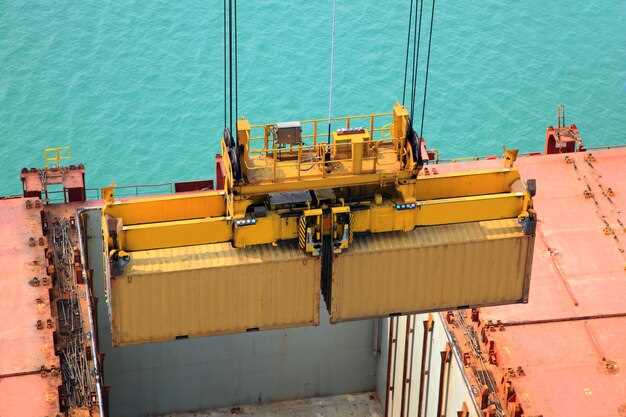 What Happens When Shipping Containers Burst Open at Sea?">

Isolate the zone immediately and notify coast guard officers; begin retrieval of the spilled load and restrict access. A rupture can cause the cargo to split and shift on deck, creating floating hazards, shifted ballast, and unpredictable debris trajectories that require fast, disciplined response.
Escaped contents can volatilize into toxic plumes; many items are packed and stuffed in crates, and the wind can spread fragments across the surface; with strong currents these fragments become a contaminant trail that threatens birds, fish, and swimmers. Some materials are poisoned, requiring responders to avoid direct contact and to use PPE; responders rely on packing lists and labels to determine the danger type, and to guide safe cleanup with cleaner equipment. Aerial overflight is often used to map the extent of contamination, and officers coordinate the search for floating debris to retrieve critical items. A log published by authorities notes any item that is poisoned or hazardous, so weighed risk can inform the response. A label on some crates even indicates withanage, signaling special handling requirements.
Operational guidance is anchored by the principle to comply with maritime safety protocols. According to incident reports, responders should establish a safety perimeter, secure the load’s stowage, and coordinate with officers and salvage teams; retrieval must be done gradually to avoid further fragmentation. For packs that carry hazardous materials, packing density matters; if a cargo unit ruptures, fittings can tear, causing additional splits and further risk to rescue teams. therefore, the goal is to retrieve valuable items while minimizing exposure to crew and wildlife.
The aftermath is described in stories published by authorities and captains; lessons stress rapid isolation, coordinated salvage, and preventing secondary pollution. Lost cargo may split and disperse, releasing contents into the Ocean and forcing responders to adapt on the fly. In many cases, the story of an incident shows how investigators weighed evidence, retrieved samples, and traced debris that drifted with currents and winds; although the hazards can be persistent, response teams learn to raise safety standards and packing requirements to reduce recurrence.
Immediate effects, risks, and practical questions for ship operators
Immediately isolate affected cargo units, secure adjacent holds, and suspend loading or discharge operations until an informed assessment from the department is complete. Use provided checklists and refer to the published guidance to maintain compliance; assign a dedicated fellow to monitor stability and coordinate with onshore teams, including overflight observers when available; ensure gear include absorbents, barriers, and rapid-response kits.
Major risks include rapid weight redistribution causing list or trim changes measured in meters, potential damage to hatch covers and deck machinery, leakage of hazardous contents, and contamination of the seabed. Strange shifts can occur when deep-sea items fail under stress, raising the probability of uncontrolled movement and requiring immediate containment. Mouths of vents or openings may draw air or water, escalating exposure risk to crew. Earlier incidents show that delays in response amplify damage and total losses; thus, quick, decisive action is essential.
The master and operator must align on the role and jurisdiction for the response, ensure compliance with regulations, and maintain mutual aid channels. The boat’s crew, shoreside teams, and external responders must stay coordinated to prevent losing control of stability, while ensuring essential data is preserved for later analysis. Content from the response should feed the initiative to improve designs, training, and procedures in the worlds of logistics and safety, including input from ruyant and fellow chris and colleagues in other fields such as hydrography and meteorology.
Practical questions to guide action include: which standards govern ballast corrections, how to assess real-time stability with limited data, which meters indicate safe limits, how to coordinate with arriving rescue teams and overflight observers, and which jurisdiction applies for reporting and remediation. Also, which channels best serve rapid updates to the content audience, and how to document decisions for later review by the department and external partners?
| Otázka | Recommended action or data |
|---|---|
| Stability indicators (list, trim, heel) | Record live values, meters of trim change, ballast status; maintain conservative margins and report to onshore control |
| Containment readiness | Deploy absorbents, booms, and barriers; verify leakage paths and seabed impact; establish containment zones |
| Coordination with responders | Notify authorities and arriving boats; align with overflight observers; confirm applicable jurisdiction for actions |
| Communication and reporting | Provide concise, timestamped updates to the department; publish key content to the incident portal for the worlds audience |
| Data integrity and records | Capture readings from early to current phase; include input from fellows in fields like hydrography; ensure data is provided for post-incident analysis |
| Recovery and salvage planning | Outline safe re-entry, post-incident inspection, and salvage options; document decisions for review by ruyant and chris |
Causes and triggers: why containers rupture at sea and how weather, stacking, and lashing contribute
Recommendation: enforce stringent planning and robust lashing on all long-haul lanes, cap stacking height on high-wind routes, and require crews to log securing methods in self-reported formats. Experts said most failures stem from planning gaps and inadequate lashing, with reported incidents rising when units are stacked and wind intensifies entering transatlantic corridors.
Weather dynamics drive risk: wind gusts, squalls, and shifts in pressure can multiply loads on heavy boxes; risk becomes greater when lanes converge into storms along the ocean tracks. In the Pacific and transatlantic routes, seasoned crews describe sudden changes that stress lashings and restraint points. Video analyses show most failures occur during unplanned wind ramps and when securing does not reflect actual load changes.
Stacking behavior and restraint design set the difference between resilience and failure. When items are stacked beyond limits, the bottom layer bears shock from deck motion; crowded lanes increase exposure. Better planning for stacking limits and using redundant lashing gives a margin that helps prevent misalignment and body damage during heavy weather.
Limitations in reporting and reliance on self-reported logs challenge risk assessment. Experts note that many incidents were reported after the fact, which gives a partial view; more independent verification, including seabed surveys and port inspections, would improve estimates. Cases from the Pacific and Transatlantic lanes show how changes in securing practices helped reduce repeat failures, with discovering new failure modes becoming possible.
Material and packaging changes influence risk. Plastic wrappings or inner packaging can deform under load, changing how restraint points engage. Some nitric cargo requires tighter seals and dedicated containment, which in turn affects lashing strategy. Planning must account for dead weight, shifts on deck, and potential seabed interactions if a casualty occurs. Green ports and training parks near hubs support hands-on drills and help disseminate practical lessons across lanes.
Action items for operators and regulators. Invest in clearer planning standards, enhanced lashing guidelines, and routine cross-checks against wind forecasts. Use video and self-reported data to validate risk estimates, and share findings across the world to reduce incidents on both Pacific and transatlantic routes.
Contents and dispersion: how cargo behaves after a breach and what washes ashore or sinks
Immediately isolate the breach zone, deploy hazmat teams, and set up on-water containment using booms and absorbents to limit dispersion and protect the waterfront.
Coordinate actions under MAIB guidelines and with investigators, document the incident with rigorous inspection logs, and apply penalties when negligence is established; insured parties must file prompt claims and coordinate cleanup funding.
Keep mind on the drift path; responders track currents and surface calculations to project where cargo may migrate, enabling targeted containment and retrieval before it sinks or washes ashore in distant zones.
Dispersion follows buoyancy and current vectors: some contents float and drift, others become waterlogged and sink, while heavier units stay near the origin; containerships should ensure lashings remain secure and hatch covers closed to minimize release risk.
Environmental impact concentrates on hydrocarbons, solvents, and chemically treated cargo; cleanup teams prioritize shoreline protection, absorbent deployment, and wildlife response, with coastal authorities reporting progress to waterfront communities.
During the initial month, patterns emerge along major routes; washington regulators and other jurisdictions increasingly monitor ports, sharing data with united agencies to tighten inspection regimes and improve response times.
Buoyant contents such as a pearl or other lightweight items may wash ashore; detectable residues complicate efforts, prompting more thorough hazmat surveys and body recovery guidelines when necessary.
Sunlight accelerates degradation of packaging materials; increasingly, investigators remembers a pearl of practice: timing and weather influence dispersion, with sinking occurring after days to weeks depending on cargo type.
MAIB reports emphasize that lashings, hatch closures, and secure stowage reduce releases; ports should enforce inspection regimes and penalties to encourage consistent practice; insured operators should document containment readiness and fund timely cleanup.
Recommended actions for fleet managers include routine drills, pre-voyage checks, and documented response plans; transparent reporting supports community safety and liability management for materials that pose environmental risks.
Safety and navigation risks: fire, toxic fumes, entanglement, and collision hazards for nearby vessels
Establish an exclusion zone at once and notify maritime authorities to coordinate response; assign a dedicated lookout and implement AIS screening to prevent close approaches.
parroquín-ohlson remembers a case where the world institutes a rapid protocol; the event resulted in a devastating smoke plume and delay in maneuvering. The environment can shift winds that drive debris into the deep-sea current, thats why decoys and markers are used to direct traffic away from danger zones. Damaged units with packed cargo increase the risk of ignition, chemical release, and sudden movement that can entangle nearby crews.
- Fire risk: flammable or reactive cargo can ignite from a spark, heat, or friction; crews must maintain separation, avoid hot-work, and deploy water fog or aqueous spray to suppress incipient flames without compromising nearby vessels. The most dangerous scenarios involve mixed loads that accelerate spread and require rapid evacuation of nonessential personnel.
- Toxic fumes: volatile compounds release vapors that can drift with winds and linger in the upper atmosphere; monitoring with portable gas detectors is essential, and wind shifts warrant evacuation of nearby decks and safe routes for observers and responders. A visible plume mandates immediate disclosure to authorities and avoidance by other ships.
- Entanglement hazards: broken lashings, twistlocks, and protruding hardware can snag lines, propeller wash, or crew gear; distant observers should re-route to maintain clearance, and responders must work with tethers and buddy teams to extract affected mariners safely.
- Kolízne riziká: unášané trosky, presúvajúca sa váha a viaceré pohyblivé ciele vytvárajú nepredvídateľné dráhy; používajte radar, AIS a vizuálnu hliadku na zaznamenávanie pozícií a informujte navštevujúce plavidlá, aby sa držali v dostatočnej vzdialenosti od zasiahnutého sektora. Polia trosiek sa môžu premiestňovať s prúdmi a okolitými vetrami, čo zvyšuje riziko stretnutí.
- Protokol reakcie pre blízkych námorníkov: vyhláste oblasť zákazu vstupu, monitorujte vyvíjajúci sa drift pomocou údajov o trajektórii a hláste vývoj udalostí úradom; ak je to možné, rozmiestnite návnady, aby ste odklonili dopravu od koridoru trosiek a udržali voľný pruh pre pohotovostné jednotky.
- Operačné usmernenie pre priblíženie sa k plavidlám: vyhýbajte sa preťaženým trasám, neustále pozorne sledujte poškodené alebo posunuté nákladné jednotky a riaďte sa pokynmi od hlavného koordinačného centra. Ak prichádzate na miesto zásahu, pripravte sa na zastavenie motorov, zabezpečte uvoľnenie a pomáhajte pri kontrole počtu obetí alebo úniku podľa pokynov.
- Zber situačných dát: zaznamenávanie rýchlosti a smeru vetra, prúdov, viditeľnosti a stavu twistlockov a balenia; posúdenie obmedzení palubných senzorov a spoliehanie sa na viaceré zdroje na potvrdenie trajektórie oblaku a plávajúcich trosiek.
Presný spôsob reakcie úradov závisí od rozsahu a trvania narušenia; v mnohých prípadoch sa plány operatívne revidujú, ako sa šíria varovania a prichádzajú nové informácie. Sudhir zdôrazňuje proaktívnu komunikáciu, rýchle posúdenie a medzisektorovú koordináciu s cieľom znížiť oneskorenie a minimalizovať následky. Keď sa incidenty vyvíjajú, objavovanie najefektívnejších manévrovacích trás si vyžaduje starostlivé sčítanie aktív, aktualizáciu hodnotení rizík a udržiavanie prostredia neporušeného čo najdlhšie, kým operácie obnovy nenahradia poškodené zariadenie a neobnovia bezpečnú premávku pre všetku dopravu.
Environmentálny dopad: potenciál znečistenia, ohrozenie morského života a dlhodobé výzvy pri odstraňovaní následkov
Okamžite aktivujte rozmiestnenie záchytných bariér a tímy rýchlej reakcie s cieľom obmedziť šírenie a zastaviť ďalšiu kontamináciu v postihnutých koridoroch prostredníctvom koordinovaných akcií. Dôkladné monitorovanie by malo nasledovať na zmapovanie rozsahu ropnej škvrny prostredníctvom leteckých prieskumov a vzorkovania pobrežia; orgány preukázali, že rýchle a cielené opatrenia znižujú dlhodobé škody.
Životné prostredie čelí potenciálnemu znečisteniu z palív, rozpúšťadiel a zvyškov nákladu, pričom úniky môžu zmeniť salinitu, hladiny kyslíka a mikrobiálne spoločenstvá na desaťročia. V prílivových zónach môžu ropné škvrny zanášať kontaminanty do ústí riek, ohrozovať biotopy a rybolov. Incidenty v blízkosti japonských a taiwanských koridorov preukázali samohlásené dopady pobrežných komunít; milióny organizmov, vrátane morských vtákov a malých veľrýb, trpeli vystavením; odborníci varujú, že problémy budú pretrvávať bez rýchlych opatrení.
Vystavenie morského života urýchľuje akumuláciu pozdĺž potravinových reťazcov, čo spôsobuje straty a znižovanie biodiverzity medzi komerčne dôležitými druhmi a predátormi. Riziko sa zvyšuje pri preprave nebezpečného nákladu cez preplnené tranzitné trasy; štíty pre plavidlá a plánovanie prístavných hovorov by mali minimalizovať kontakt s citlivými biotopmi. Štyri hlavné cesty expozície – požitie, inhalácia, dermálny kontakt a trofický prenos – spôsobujú straty; potom môže obnova trvať roky.
Výzvy spojené s dlhodobým čistením si vyžadujú trvalé financovanie a cezhraničnú koordináciu. Očakávajú sa desaťročia úsilia a náklady by sa mohli zvýšiť, keďže materiál starne a je ťažšie ho odstrániť. Transatlantické trasy ilustrujú rozsah, zatiaľ čo prístavy Kao-siung a Taiwan ilustrujú regionálne zaťaženie; spoločnosť Gard spolupracuje na zdieľaní údajov, noriem a vyškolených pracovníkov, aby sa predišlo duplicite a zlepšili výsledky.
Informovaní politici a súdy by mali vyžadovať, aby znečisťovatelia pokryli náklady na čistenie, pričom dáta oznamované priamo lovcami a rybármi z pobrežných oblastí by slúžili ako podklad pre rizikové mapy. Agentúry pre ochranu životného prostredia môžu stanoviť prahové hodnoty, ktoré spúšťajú núdzové opatrenia a dlhodobé dohody o náprave; milióny dolárov potenciálnych záväzkov by mohli byť nasmerované na obnovu namiesto špekulatívnych hodnotení. clear Správa a presadzovanie podporená súdmi sú nevyhnutné na vyváženie komerčnej činnosti s environmentálnou integritou.
Reakcia a prevencia: hlásenie, záchrana, poistenie a opatrenia na predchádzanie budúcim incidentom
Okamžitá akcia: Do niekoľkých hodín vydať varovanie pobrežnej stráži a štátu vlajky, zaznamenať dátum, pozíciu, počasie a odhadované straty na palube viacerých obrov. Zahrnúť podrobnosti o manifeste, trase a počte nákladných jednotiek, ktoré prepravujú materiál. Kontaktovať vlastníkov lodí a poisťovateľov, aby vymenovali špecializovaného likvidátora; Sudhir z Locktons môže koordinovať proces reklamácie a zabezpečiť včasné rozhodnutia o krytí.
Koordinácia záchranných prác: Mobilizujte námorných expertov s preukázanými záznamami, aby posúdili riziká, v prípade potreby zriadili útočisko pre posádku a stabilizovali miesto. Zbierajte údaje o premiestňovaní sedimentov, potenciálnom úniku paliva alebo chemikálií a environmentálnom riziku; prepláchnite a odoberte vzorky na analýzu. Inštitúcie a komerčné záchranné firmy by mali zdieľať taktiky a udržiavať čistejšie životné prostredie počas práce; mali by sa uplatňovať známe osvedčené postupy, aby sa minimalizovali ďalšie straty.
Poistenie a zodpovednosť: Poisťovne vyžadujú formálnu správu s dátumom, počasím, typmi nákladu a históriou trasy. Poistky majiteľov lodí obvykle pokrývajú záchranu, zodpovednosť a záujmy nákladu; komerčné poisťovne koordinujú činnosť s likvidátormi poistných udalostí a môžu poskytnúť preddavky. Uchovávajte všetky účtenky a lodné denníky; uvedení experti a zistenia z nezávislých posúdení zistili, že rýchle hlásenie znižuje riziko. Systém od začiatku umožňuje spoluprácu so spoločnosťami Sudhir a Lockton v oblasti posudzovania rizík.
Preventívne opatrenia: Zaviesť starostlivé stohovanie a zabezpečenie nákladových jednotiek na zníženie rizika posunu; prehodnotiť plány nakladania a overovať normy upevnenia pri každom prístavnom hovore. Inštitúcie a prevádzkovatelia by mali aktualizovať hodnotenia rizík špecifické pre danú trasu; zamerať sa na známe rizikové zóny a sezónne poveternostné podmienky; zaviesť stratégie kontroly sedimentov a používať ekologické čistiace prostriedky, kde je to možné. Každé vozidlo má plán na zmiernenie nebezpečenstva a posádky by mali byť vyškolené na jeho implementáciu. Zabezpečiť aj priebežné školenia pre posádku a pobrežné tímy, aby sa každý pohyb nákladu riadil opakovateľným postupom založeným na dôkazoch. Trasa by sa mala prehodnotiť po incidentoch a zmeny by sa mali zdokumentovať pre budúce použitie.
Zdieľanie údajov a zodpovednosť: Zostavte formálnu, prístupnú správu s trasou, dátumom, lokalitou, úrovňou nebezpečenstva a podniknutými opatreniami. Zdieľajte zistenia so známymi orgánmi, inštitútmi a vlastníkmi lodí, aby ste zlepšili pripravenosť. Pamätanie si ponaučení z predchádzajúcich udalostí pomáha zdokonaľovať postupy; viaceré strany – majitelia lodí, poisťovatelia, regulačné orgány a odborníci – by mali zverejňovať anonymizované protokoly o činnosti, aby urýchlili učenie a podporili starostlivé, opakovateľné opatrenia. Zahrňte aj úvahy od tímov zelených programov a environmentálnych inštitútov na posilnenie preventívnych opatrení.
Environmentálne a následné opatrenia po incidente: Po stabilizácii odstraňujú záchranné tímy nebezpečenstvá a začínajú s preplachovaním sedimentov a odstraňovaním trosiek. Monitoring environmentálnymi inštitútmi sleduje potenciálne znečisťujúce látky a koordinuje sa so zelenšími možnosťami reakcie; úsilie sa zameriava na minimalizáciu narušenia biotopov a zabezpečenie správnej manipulácie s odpadom. Kombinované poznatky od námorných posádok a dopravcov zameraných na obrovské plavidlá informujú plánovanie trás a komerční prevádzkovatelia by mali zaviesť opatrenia na neustále zlepšovanie, aby sa predišlo opakovaniu.