Hämta appen


Transport & Logistics Writer
Alexander Petrunin covers freight and logistics markets across Europe, the United States and the CIS — from country guides for Portugal, Spain and France to cross-border trucking and carrier licensing. His articles focus on practical guidance for shippers and carriers: routes, pricing factors and regulation.

How to Choose the Optimal Route for International Delivery
Selecting the best route for international delivery is a critical factor in ensuring cost efficiency, timely arrivals, and smooth logistics operations. Various factors, including transit time, customs regulations, and transportation costs, must be considered. This article explores key strategies for determining the optimal delivery route while balancing efficiency, security, and cost-effectiveness.
Logistics and International Agreements: How They Impact Business
International trade agreements play a crucial role in shaping global logistics operations. These agreements regulate tariffs, import/export policies, and customs procedures, directly influencing supply chains and business strategies. Companies engaged in cross-border trade must stay informed about these agreements to optimize logistics efficiency, reduce costs, and maintain compliance.
How to Manage Risks in International Logistics
International logistics presents various risks that can disrupt supply chains, increase costs, and impact business operations. From geopolitical instability to transportation delays, companies engaged in global trade must proactively identify and mitigate these risks. Effective risk management strategies enhance supply chain resilience and ensure smooth operations.
Logistics and Currency Risks: How to Protect Your Business
In international logistics, currency fluctuations can significantly impact the cost of transportation, supplier payments, and overall profitability. Businesses operating across multiple countries must navigate currency risks to ensure financial stability and maintain competitive pricing. This article explores key currency risks in logistics and effective strategies to mitigate them.
How to Use Technology for Managing International Logistics
In the evolving landscape of global trade, technology plays a critical role in enhancing efficiency, reducing costs, and optimizing international logistics operations. Businesses leveraging digital solutions can streamline supply chains, improve real-time tracking, and mitigate risks. This article explores the latest technologies transforming international logistics and how companies can integrate them for better performance.
How to Organize an Efficient Supply Chain in International Logistics
An efficient supply chain is the backbone of international logistics, ensuring the smooth movement of goods across borders. In a globalized world, companies must adopt strategic approaches to optimize supply chain efficiency, minimize costs, and mitigate disruptions. This article explores key steps to building a resilient and streamlined international supply chain.
How to Manage Logistics in Manufacturing
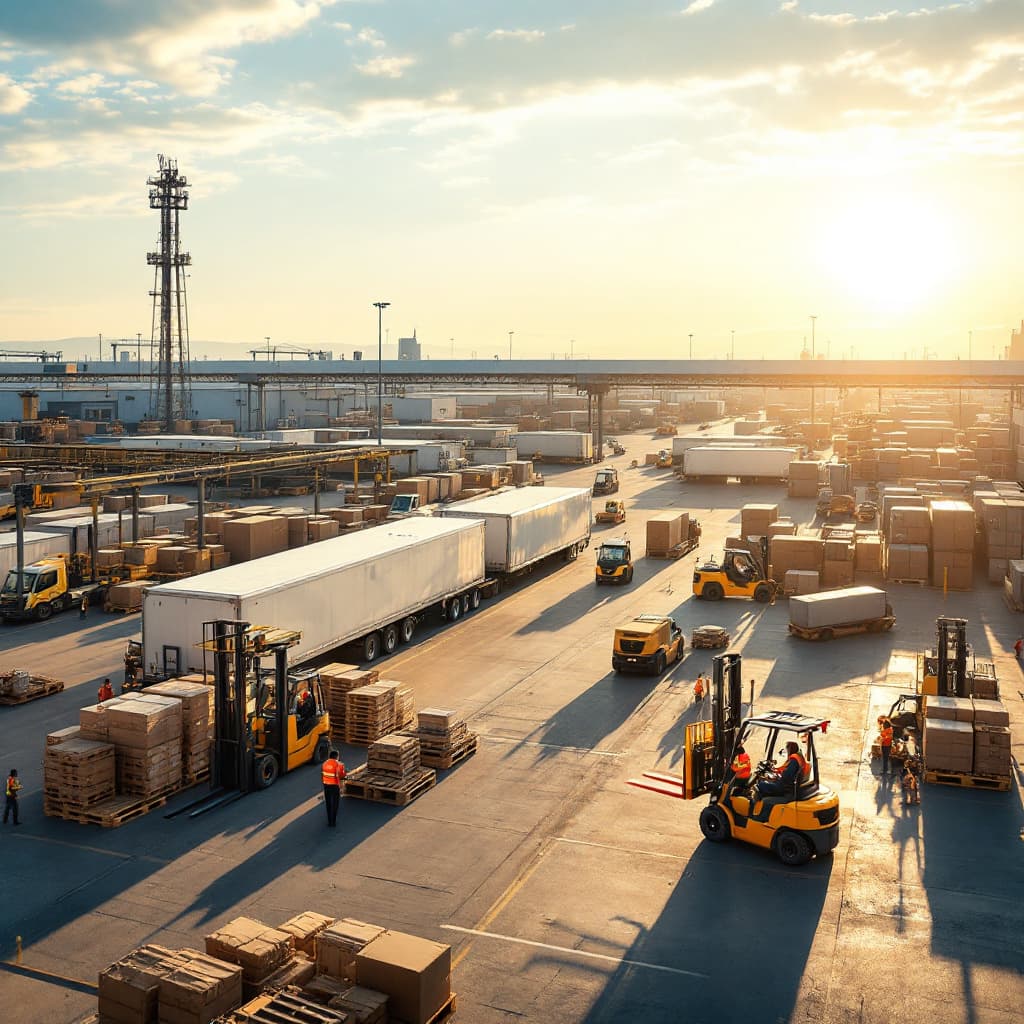
Managing logistics in manufacturing is crucial for ensuring smooth operations. It involves coordinating raw material supply, inventory management, warehouse optimization, and timely delivery of finished products. Effective logistics reduce costs, improve productivity, and enhance customer satisfaction. By adopting modern strategies, manufacturers can streamline processes and boost efficiency.

Fashion Logistics: How to Manage Supply Chains
Logistics in the fashion industry plays a crucial role in timely product delivery, maintaining inventory, and optimizing the supply chain. In a highly competitive market, companies must find ways to quickly respond to changing demand and reduce delivery times. To efficiently manage fashion logistics, it is essential to consider aspects such as supply, warehousing, and transportation.
Logistics in the Food Industry: How to Ensure Freshness
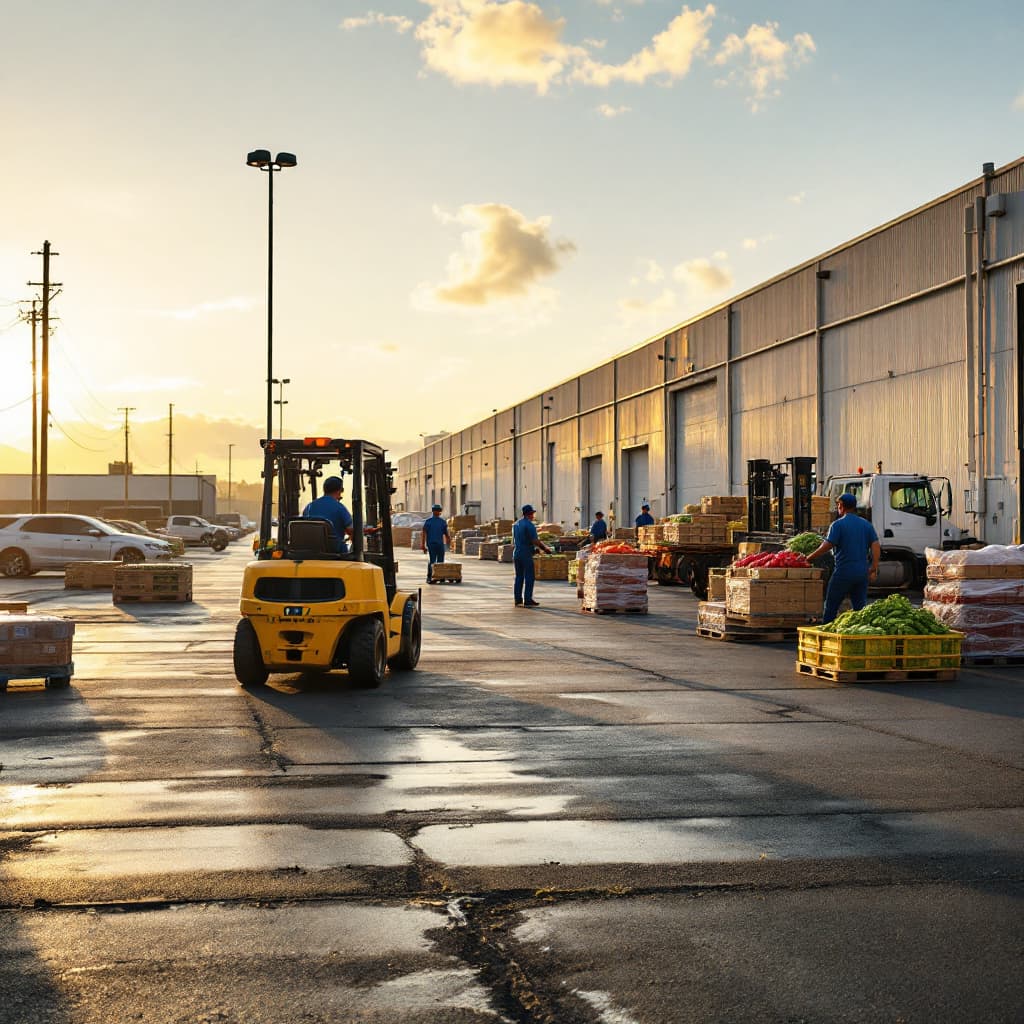
Food industry logistics plays a crucial role in ensuring the freshness, safety, and timely delivery of perishable Food industry logistics plays a crucial role in ensuring the freshness, safety, and timely delivery of perishable goods. Since consumer demand for high-quality food products continues to grow, efficient supply chain management is vital. It helps prevent spoilage, reduce waste, and comply with strict health and safety regulations. Therefore, businesses must implement innovative strategies to maintain product freshness throughout the logistics process. This article explores best practices and modern solutions to achieve this goal.

Construction Logistics: How to Manage Projects
Logistics plays a crucial role in construction projects by ensuring the efficient movement of materials, equipment, and workforce. Managing construction logistics effectively reduces costs, minimizes delays, and improves overall project efficiency. In an industry where timing and coordination are essential, having a well-planned logistics strategy can significantly impact project success.

Pharmaceutical Logistics: How to Ensure Safety
Pharmaceutical logistics plays a critical role in ensuring that medicines and healthcare products reach consumers safely and efficiently. The transportation and storage of pharmaceuticals require strict regulations, precise temperature control, and robust security measures to maintain product integrity. Any failure in logistics management can compromise patient safety and lead to financial losses. This article explores best practices for ensuring safety in pharmaceutical logistics.

Logistics in the Automotive Industry: Challenges and Solutions
The automotive industry relies on a highly complex and interconnected supply chain. Efficient logistics are essential for ensuring the smooth flow of raw materials, components, and finished vehicles. However, the industry faces multiple challenges, including supply chain disruptions, fluctuating demand, and sustainability concerns. This article explores key challenges and solutions for optimizing logistics in the automotive sector.