Hämta appen


Transport & logistikskribent
Alexander Petrunin bevakar gods- och logistikmarknaderna i Europa, USA och OSS – från landsguider för Portugal, Spanien och Frankrike till gränsöverskridande godstransporter och transportörlicenser. Hans artiklar fokuserar på praktisk vägledning för avsändare och transportörer: rutter, prissättningsfaktorer och regleringar.
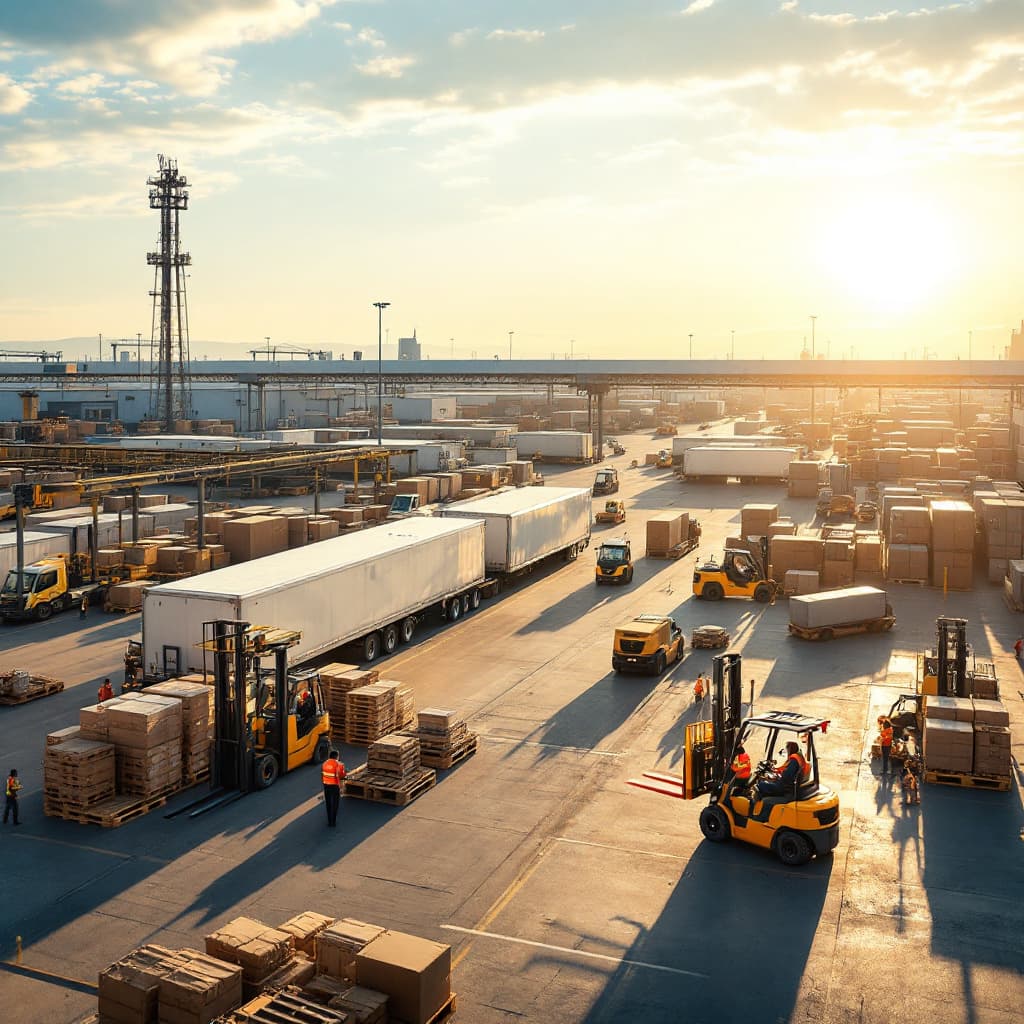
How to Manage Logistics in Manufacturing
Managing logistics in manufacturing is crucial for ensuring smooth operations. It involves coordinating raw material supply, inventory management, warehouse optimization, and timely delivery of finished products. Effective logistics reduce costs, improve productivity, and enhance customer satisfaction. By adopting modern strategies, manufacturers can streamline processes and boost efficiency.
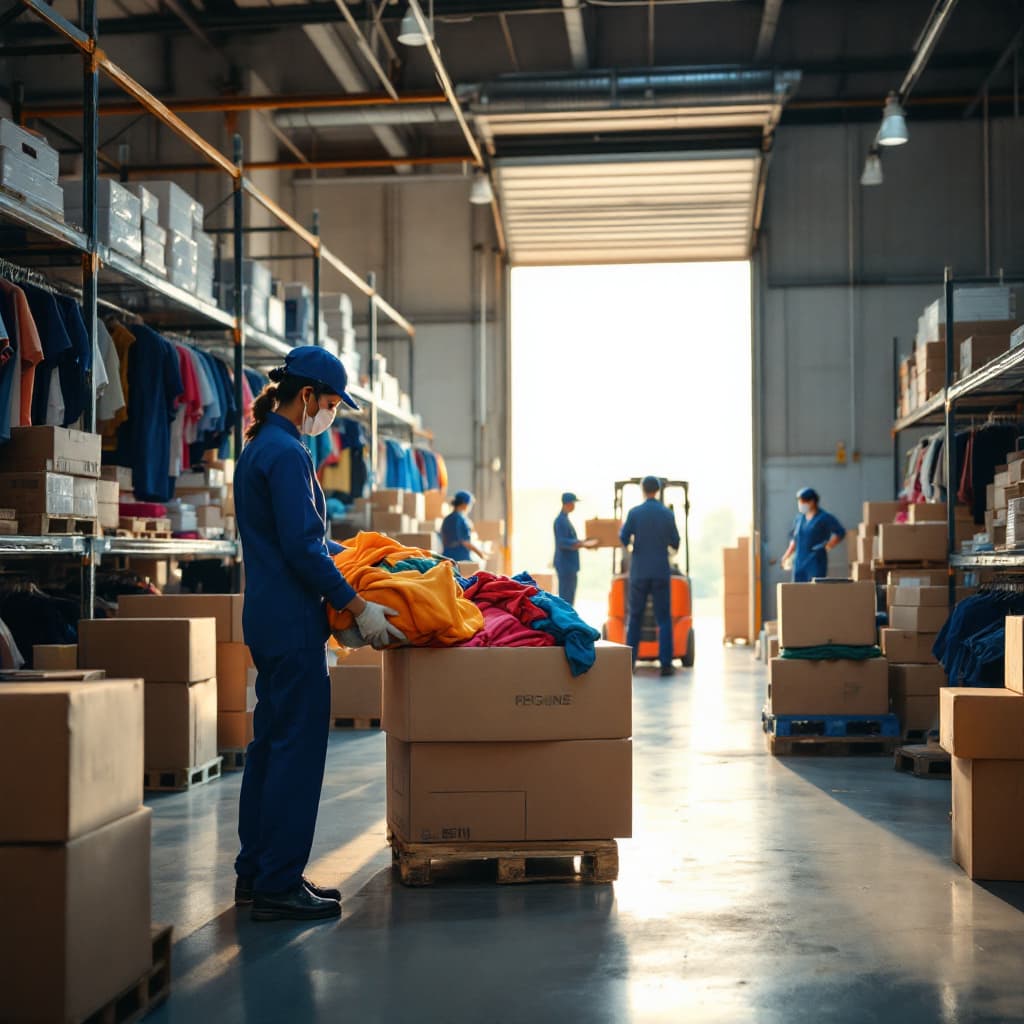
Fashion Logistics: How to Manage Supply Chains
Logistics in the fashion industry plays a crucial role in timely product delivery, maintaining inventory, and optimizing the supply chain. In a highly competitive market, companies must find ways to quickly respond to changing demand and reduce delivery times. To efficiently manage fashion logistics, it is essential to consider aspects such as supply, warehousing, and transportation.
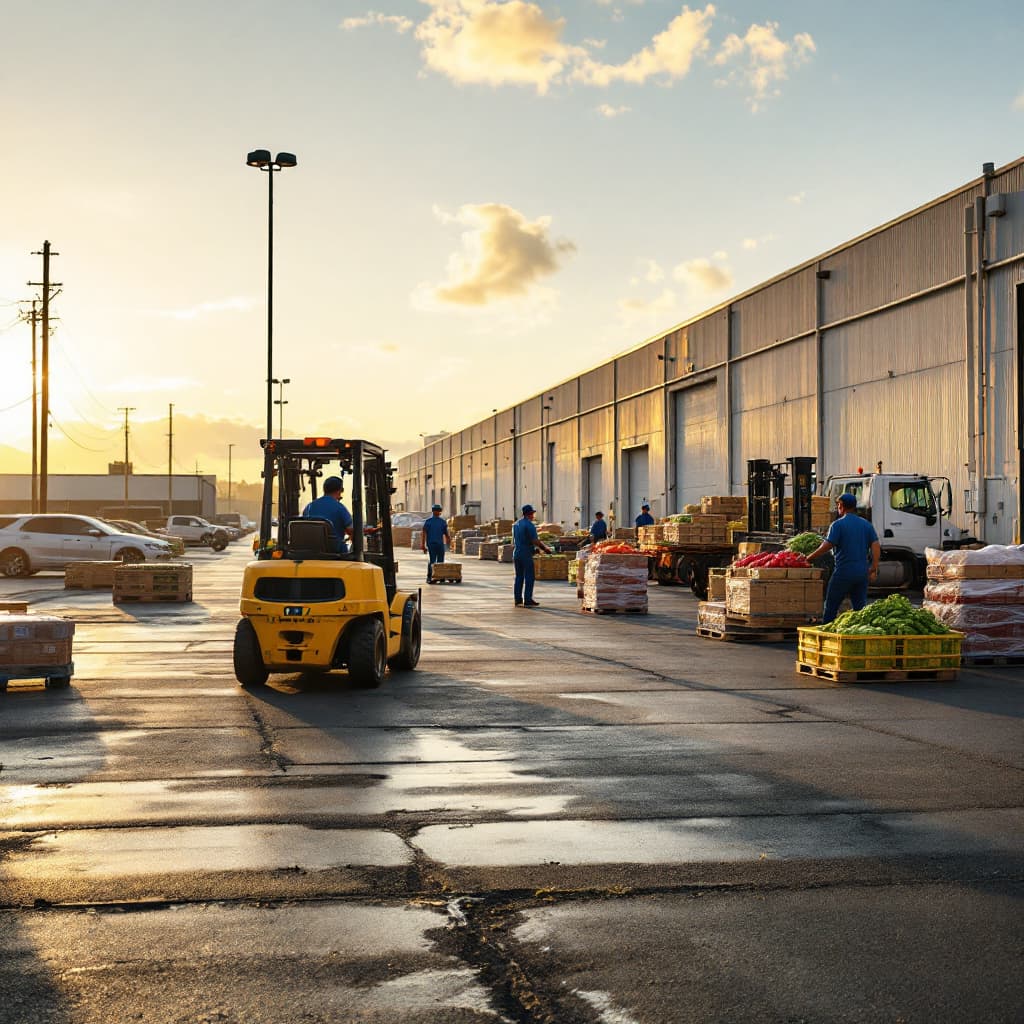
Logistics in the Food Industry: How to Ensure Freshness
Food industry logistics plays a crucial role in ensuring the freshness, safety, and timely delivery of perishable Food industry logistics plays a crucial role in ensuring the freshness, safety, and timely delivery of perishable goods. Since consumer demand for high-quality food products continues to grow, efficient supply chain management is vital. It helps prevent spoilage, reduce waste, and comply with strict health and safety regulations. Therefore, businesses must implement innovative strategies to maintain product freshness throughout the logistics process. This article explores best practices and modern solutions to achieve this goal.

Construction Logistics: How to Manage Projects
Logistics plays a crucial role in construction projects by ensuring the efficient movement of materials, equipment, and workforce. Managing construction logistics effectively reduces costs, minimizes delays, and improves overall project efficiency. In an industry where timing and coordination are essential, having a well-planned logistics strategy can significantly impact project success.

Pharmaceutical Logistics: How to Ensure Safety
Pharmaceutical logistics plays a critical role in ensuring that medicines and healthcare products reach consumers safely and efficiently. The transportation and storage of pharmaceuticals require strict regulations, precise temperature control, and robust security measures to maintain product integrity. Any failure in logistics management can compromise patient safety and lead to financial losses. This article explores best practices for ensuring safety in pharmaceutical logistics.

Logistics in the Automotive Industry: Challenges and Solutions
The automotive industry relies on a highly complex and interconnected supply chain. Efficient logistics are essential for ensuring the smooth flow of raw materials, components, and finished vehicles. However, the industry faces multiple challenges, including supply chain disruptions, fluctuating demand, and sustainability concerns. This article explores key challenges and solutions for optimizing logistics in the automotive sector.

Logistics in E-Commerce: How to Handle Returns
Efficient logistics is essential for the success of e-commerce businesses, particularly when managing product returns. High return rates, especially in sectors like fashion and electronics, require robust return logistics to maintain customer satisfaction and operational efficiency. A streamlined reverse logistics strategy helps businesses minimize costs, reduce waste, and improve overall supply chain efficiency. Key Challenges in E-Commerce Returns Logistics High Volume of Returns – E-commerce businesses experience significantly higher return rates compared to brick-and-mortar stores. Cost Management – Handling returns involves additional transportation, restocking, and processing costs.
Logistics in the Chemical Industry: Features and Requirements
Logistics in the chemical industry is one of the most complex and highly regulated sectors. The transportation, storage, and handling of chemicals require strict safety measures, compliance with environmental standards, and specialized equipment. Any mismanagement in logistics can lead to severe health risks, environmental hazards, and legal consequences. This article explores the key features, challenges, and best practices for ensuring the safe and efficient transportation of chemicals. Key Features of Chemical Industry Logistics Regulatory Compliance – Companies must adhere to national and international regulations, such as the ADR (European Agreement concerning the International

How to Choose the Right Logistics Strategy
Selecting the right logistics strategy is critical for any business aiming to optimize its supply chain and meet customer expectations efficiently. Logistics strategies define how goods are sourced, transported, stored, and delivered to end users. However, with the increasing complexity of global markets, fluctuating customer demands, and rising operational costs, businesses must carefully evaluate their logistics approach.
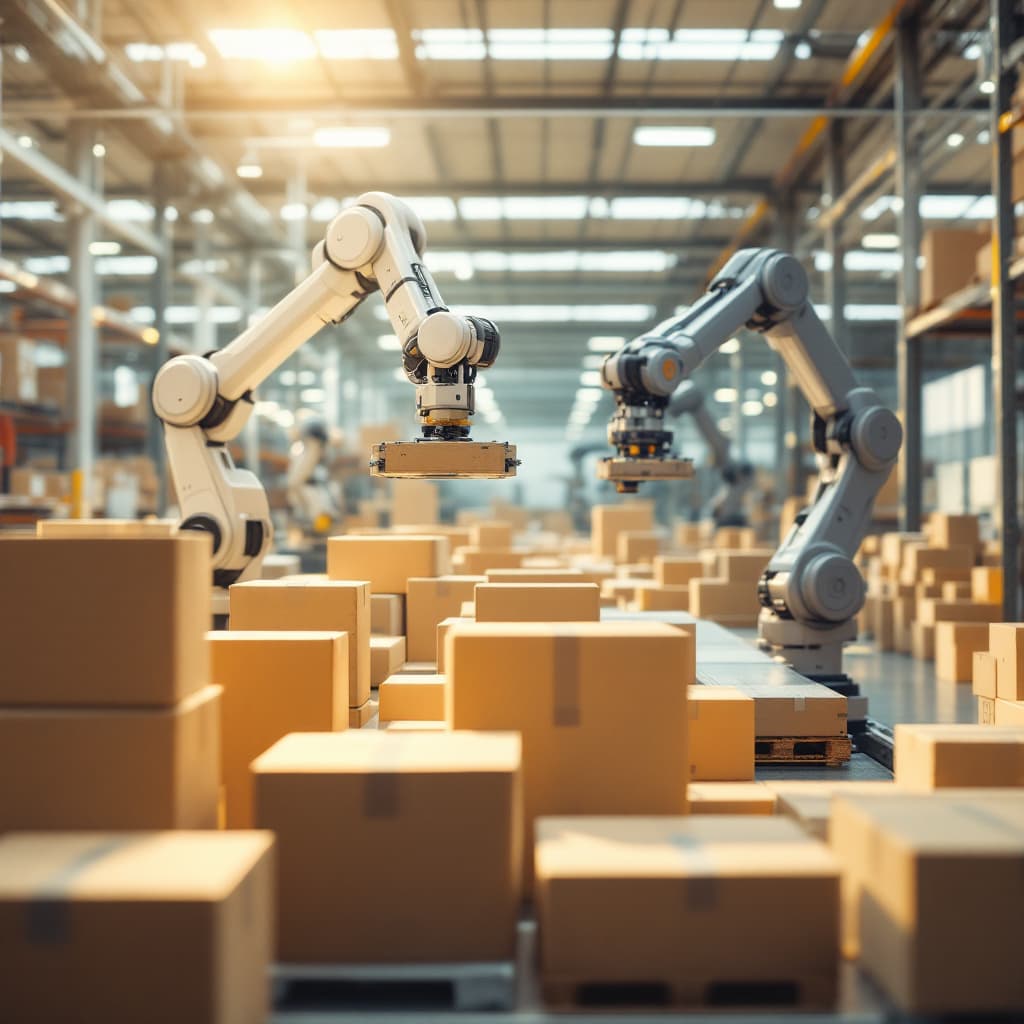
Trends in Packaging and Their Impact on Logistics
Packaging has always played a critical role in logistics, ensuring the safe transportation and storage of goods. However, in recent years, packaging trends have shifted significantly due to changing consumer demands, sustainability initiatives, and advancements in technology. These changes are reshaping how businesses approach logistics, impacting efficiency, costs, and environmental responsibility. This article explores the latest trends in packaging and how they influence the logistics landscape.

How to Manage Multichannel Logistics
Multichannel logistics is the backbone of modern supply chains, enabling businesses to deliver products through multiple sales channels, such as e-commerce platforms, retail stores, and direct-to-consumer (DTC) models. As customer expectations for speed and convenience rise, managing multichannel logistics effectively has become a critical aspect of operational success.

Logistics and Quality Management: How They Are Connected
In today’s competitive market, delivering high-quality products is not enough—businesses must ensure these products reach customers efficiently and in excellent condition. This is where logistics and quality management intersect. Effective logistics ensures the smooth movement of goods, while quality management guarantees the consistency and reliability of these goods throughout the supply chain. Together, these disciplines play a crucial role in enhancing customer satisfaction and operational success. Therefore, understanding their integration is vital for business growth and customer loyalty.