Hämta appen


Transport & logistikskribent
Alexander Petrunin bevakar gods- och logistikmarknaderna i Europa, USA och OSS – från landsguider för Portugal, Spanien och Frankrike till gränsöverskridande godstransporter och transportörlicenser. Hans artiklar fokuserar på praktisk vägledning för avsändare och transportörer: rutter, prissättningsfaktorer och regleringar.

Freight Transportation: Types and Opportunities on GetTransport.com
Types of Freight Transportation There are several primary types of freight transportation, distinguished by their modes of transport, types of cargo, and delivery conditions. 1. Road Freight Transportation Road freight is one of the most common and convenient methods of delivery. It is suitable for both local and intercity transport. With its flexible routing and the ability to provide "door-to-door" service, road transport is an ideal choice for small and medium-sized shipments. 2. Rail Freight Transportation Rail transport is ideal for moving large volumes of goods over long distances. It is cost-effective and environmentally friendly, making it attractive for companies focused on
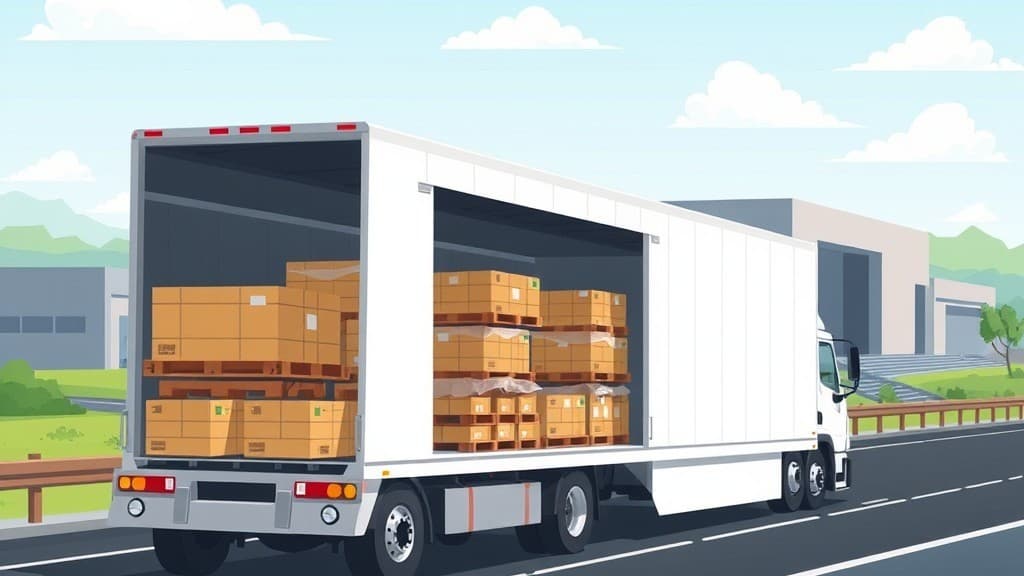
Vad är LTL-frakt? En komplett guide till Less Than Truckload-frakt
Less than truckload (LTL) frakt är ett populärt val för företag som behöver transportera mindre sändningar effektivt. Till skillnad från full lastbilslast (FTL), som kräver en hel lastbil för en enskild sändning, konsoliderar LTL-frakt sändningar från flera kunder till en enda lastbil. Denna guide täcker grunderna i LTL-frakt, inklusive dess fördelar, process och varför det är idealiskt för många företag. Vad är LTL-frakt? LTL-frakt avser "less than truckload"-frakt, en metod som är utformad för sändningar som är för stora för paketbud men som inte kräver hela utrymmet i en lastbil. LTL-frakt är ett ekonomiskt sätt för företag att transportera varor eftersom transporten

Overview of Road Freight Transportation Across Different Countries
Road freight transportation is crucial for global trade, facilitating the timely delivery of goods. Understanding how it varies across countries is essential for optimizing supply chains. Here’s a concise overview of key markets. United States: A Backbone of Commerce The U.S. has one of the most extensive road networks globally, with over 4 million miles of highways. The trucking industry transports over 70% of all freight, regulated by the Federal Motor Carrier Safety Administration (FMCSA). While technological advances like electronic logging devices (ELDs) enhance safety, challenges such as driver shortages and rising operational costs remain. European Union: Harmonization Amid Diversity

The Role of Technology: Marketplaces as a Key to Logistics Optimization
Modern technologies are transforming the logistics landscape, providing efficient tools to streamline carrier selection, tariff comparison, and delivery management. Marketplaces are at the forefront of this transformation, addressing the unique challenges faced by shippers and freight forwarders. Challenges in the Logistics Industry The global logistics market is grappling with a range of challenges that demand innovative solutions: Rising transportation volumes: Global trade and e-commerce growth are driving increased demand for logistics services. Supply chain complexities: Geopolitical tensions, pandemic-induced disruptions, and regional nuances add layers of complexity to supply chain
The Critical Role of Accurate Data in Fleet Management
In the world of fleet management, the adage “practice makes perfect” is often misapplied. A more fitting version would be “perfect practice makes perfect,” as flawed execution never leads to success. This principle extends to data management: without accuracy, data cannot effectively contribute to profitability or safety objectives. As industry experts say, “garbage in, garbage out.” Understanding Data's Value Data is integral to every facet of fleet management, from vehicle acquisition and resale to usage metrics, maintenance schedules, driver performance, and fuel efficiency. However, not all data is equally valuable. Fleet managers often find themselves overwhelmed, questioning whether

Top Benefits for Carriers Using Freight Platforms in the EU
European freight platforms connect carriers with shippers across the European Union, offering a centralized digital channel for bookings, tracking, and payments. For carriers, these platforms unlock greater visibility, reduce administrative overhead, and provide scalable access to cross-border shipments. Enhanced load matching and proactive route optimization minimize empty miles and maximize fleet utilization , leading to higher earnings and more reliable service. Transparent pricing and payment terms improve cash flow. Carriers benefit from clearer rates, fewer disputes, and faster settlements through electronic invoicing and digital payments. Compliance with EU rules is easier with

Top Benefits for Carriers Using Freight Platforms in the EU
EU freight platforms connect carriers with shippers across the European Union, delivering real-time load matching , transparent pricing, and streamlined documentation that reduce the friction of traditional brokered models. With access to a broad pool of shipments, carriers can maximize fleet utilization and minimize empty miles. The platform's intelligent matching prioritizes compatible loads by route, vehicle type, and timing, enabling faster confirmation and less downtime between trips. This leads to higher throughput without sacrificing service quality. Payment terms and risk management improve through standardized digital workflows. Carriers benefit from faster, traceable payments,

Key Features Carriers Should Look for in a Freight Marketplace
In a freight marketplace, carriers seek features that reduce downtime and maximize revenue. Real-time load matching that pairs capacity with suitable loads quickly, reliable shipper verification to minimize risk, and clear operating rules that set expectations from the start. Transparency in pricing and performance data is essential. Transparent rate visibility and dynamic pricing signals help carriers compare opportunities and avoid underpayment. A robust rating system provides trustworthy data on shipper reliability and lane profitability. Visibility across a shipment lifecycle matters: real-time ETA updates, disruptions alerts, and live tracking that align with dispatch decisions. Tools

How European Freight Carriers Can Get More Orders Through Marketplaces
European freight carriers increasingly rely on marketplaces to convert available capacity into booked orders. Marketplaces aggregate demand from shippers and brokers across Europe, exposing carriers to new lanes, tender opportunities, and long-tail loads that were hard to reach before. By standardizing opportunities and enabling faster matches, these platforms help carriers reduce deadhead and improve fill rates, driving growth in orders without large sales teams. To turn exposure into sustained growth, carriers must build credibility and visibility. A complete profile with verified credentials, a track record of on-time performance, and transparent safety records signals reliability to

Europeiska transportörer säkrar onlinebeställningar - Fallstudier
Europeiska transportföretag har länge integrerat säkra onlineorderflöden i komplexa logistiknätverk över hela kontinenten. Den här artikeln presenterar en koncis uppsättning fallstudier som avslöjar hur aktörer som paketspecialister och postnätverk implementerar skalbara kontroller för att skydda kunder och minska förluster, samtidigt som de upprätthåller snabba leveranstider. Vi undersöker hur multifaktorautentisering, dynamisk riskbedömning och end-to-end-kryptering används i webb- och mobilkanaler, och hur transportföretag samordnar med återförsäljare för att säkra hela order-till-leverans-cykeln. Gränsöverskridande verksamhet står inför utmaningar gällande tull, regelverk och integritet. Fallstudierna illustrerar hur transportföretag anpassar sig
Carrier Registration on Freight Marketplace Practical Guide
Carrier Registration on Freight Marketplace Practical Guide introduces carriers to an efficient, compliant onboarding process across leading freight platforms. This guide outlines the essential steps, what to prepare, and how to complete verification to unlock access to load boards, rate offers, and real-time freight opportunities. Eligibility for registration depends on your fleet size, business structure, and legal authority. Verify your status as a legitimate carrier and ensure your company is in good standing before starting the application. Skipping this step leads to delays or rejection . Required documents typically include business license or incorporation documents , proof of

Freight Marketplaces Fuel Growth for European Carriers
Freight marketplaces are reshaping European logistics by connecting shippers with a diverse network of carriers across borders. These platforms streamline booking, digitize tendering, and provide real-time visibility, enabling carriers to grow revenue by filling capacity more consistently and predictably . By aggregating demand from multiple shippers, marketplaces reduce empty miles and underutilized equipment. They offer dynamic pricing , instant quotes, and automated routing that matches capacity with demand , increasing throughput and reliability for European fleets. For carriers, access to a large pool of loads, faster payments, and rating-based trust improve cash flow and risk
