


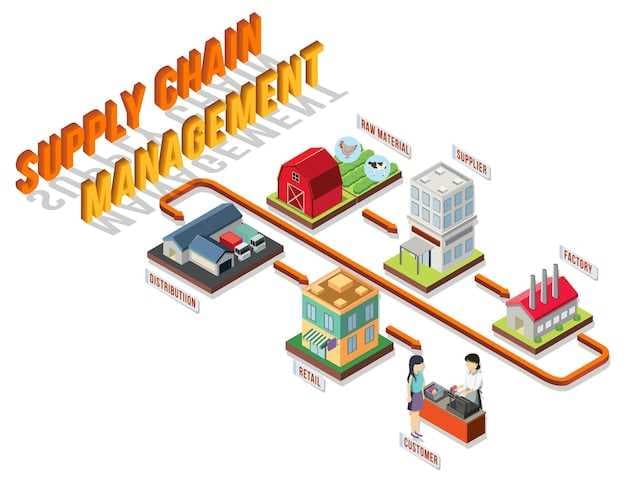

Begin with a concrete action: diversify suppliers and anchor the main set of alternative sources for critical materials. Build a 12-week buffer and a value-driven blueprint that ties procurement decisions to resilience, cost, and speed. Noting that disruptions can push exposures into the billion-dollar range, broaden the range of trusted partners and create clear recovery triggers, because the reason for redundancy is to keep production moving when a single link fails.
Geopolitics can affect deliveries: a blockage at Suez can cause longer transit times, and regional conflicts can affect container schedules, raising energy costs. To mitigate this, map alternate ports, diversify carriers, and build regional sourcing networks that shorten cycles and reduce dependence on any single route. Noting that such shifts may require rapid adaptation, engage with government agencies to anticipate sanctions and policy shifts that could disrupt critical flows, including unexpected disruptions.
Analytics-led transformation of procurement processes enables quick, data-driven decisions. Create a single source of truth for suppliers and materials, with transparent lead times and capacity metrics. Run quarterly stress tests against a range of demand scenarios to identify bottlenecks and prioritize mitigation actions quickly. Build redundancy into the system by reserving capacity with key suppliers, and align finance, operations, and procurement to keep a steady value stream.
Design a resilient transportation model across the main logistics lanes: use multiple modes, optimize container utilization, and push for energy-efficient routes and electric options where possible. Track energy costs and port dwell times to adjust routing in real time, keeping lead times within the target range even during disruptions.
Strengthen direct supplier development and cross-functional collaboration to turn risk insights into action. Build a compact program that funds joint product improvements and increases capacity for critical items. Maintain clear, measurable milestones and a cadence of reviews to keep the blueprint focused on value delivery rather than complexity.
Sector-specific actions for value-driven resilience
Actively diversify your supplier base to fortify operations and reduce losses. For each key item, create two to three alternative source options, including a local, lund-based supplier to shorten ground lead times and an abroad partner to hedge geopolitical risk. Establish policies and decision-making criteria for supplier selection, spanning capacity, cost, quality, financial resilience, and exposure. Build a central risk dashboard to monitor vulnerability indicators and trigger worst-case playbooks. Shift planning cycles to february reviews to refresh safety stock and supplier commitments. Direct talks with suppliers to secure contingency terms and reduce exposure. Track cost impact and keep it within a defined tolerance to avoid tipping total cost.
Automotive, electronics, and consumer goods sectors need to shift toward multi-sourcing and modular design to reduce vulnerability. Fortify operations by deploying modular solutions and standardized interfaces that allow quick substitutions. Source from multiple regions to avoid single-site disruption; include nearshore options around the globe and abroad to reduce transit times. Maintain criteria for supplier redundancy and a direct escalation path for shortages. Given current volatility, create a risk score that is updated weekly.
Food and beverage and agriprocessing chains must address perishability with diversified cold-chain providers. Use dual sourcing for key ingredients, with a local distribution partner to reduce ground delays. Set policies around inventory turnover and safety stock levels; plan around february cycles. Implement end-to-end traceability from source to store to reduce vulnerability and losses.
Healthcare and pharma must guarantee delivery of critical medicines and PPE. Keep a 60-day buffer for priority items in a regional hub. Align regulatory and quality policies with suppliers; perform on-site audits at key sites, including lund-based suppliers. Create digital order interfaces to streamline procurement and direct communication.
Logistics and distribution require multi-carrier routing and redundant warehousing. Develop a ground-based contingency plan with alternate carriers and on-ground stock at regional hubs. Run scenario tests for worst-case weather, port closures, or cyber disruptions. Use february cycles to adjust routing and inventory policies.
Governance across sectors should align around shared value objectives and transparent reporting. This century demands fast, data-driven actions. Establish a lightweight cross-sector committee to review vulnerability scores and approve shifts in sourcing. Document lessons learned after each disruption, and update policies accordingly.
Healthcare: Align demand forecasting with clinical cycles and build buffer capacity
Align demand forecasting to clinical cycles and build buffer capacity for high-impact medications. Objectives should focus on reducing stockouts, optimizing resources, and supporting uninterrupted patient care. Link forecast inputs to the calendar of clinical procedures–immunizations, surgeries, infusion schedules–and to reported usage patterns. Set service levels: 95% for critical items, 90% for non-critical items. Create a rolling 12-week forecast with a 4-week buffer window, updated weekly.
Actions include mapping multiple data streams: on-hand inventory, supplier lead times, fulfillment cycles, and transport conditions. There is a clear link between forecast accuracy and patient outcomes. Establish buffer tiers by item criticality: A items 2–4 weeks, B items 1–2 weeks. Near-shoring for critical items reduces emissions and transit time; evaluate alternative formulations to preserve continuity. Engage a vendor pool with defined service levels and clear cash terms to limit single-source risk. Implement weekly alerts on deviations and trigger buffer replenishment when thresholds are crossed.
Resource planning assigns cross-functional groups–pharmacy, procurement, finance–to forecast governance and allocates dedicated resources for ongoing management. Define decision rights and cash flow controls to support rapid replenishment during disruptions. Think in scenarios: baseline, disruption, and surge to ensure plans cover multiple possible futures and align with organizational interest. Regularly review capacity implications across facilities to avoid overstock in low-demand periods.
Technology integration links ERP, LIMS, and EHR signals to forecasting and procurement workflows. Found correlations between clinical-cycle intensity and drug usage; adjust safety stocks accordingly for each product family. Include clinicians in the planning loop to improve accuracy and inclusion, ensuring that prescriptions and administration realities shape buffers. Reported gains come from tighter coordination between demand signals and supply execution, reducing waste and stabilizing funding through better cash management.
Partnerships across ecosystems require collaboration with suppliers, distributors, and even sectors like agriculture to secure packaging inputs and raw materials. Align incentives with near-shoring and diversified sourcing to maintain continuity, while tracking emissions and sustainability metrics. In addition, conduct event-based reviews–quarterly assessments of forecast accuracy, stockouts, and buffer performance–to drive continuous improvement and maintain resilience across multiple facilities and product groups.
Manufacturing: Diversify suppliers and enable nearshoring for critical components

Diversify suppliers and enable nearshoring for critical components now to reduce crisis exposure and stabilize order fulfillment across networks. Target at least three regional suppliers for each critical component to avoid a single point of failure, strengthening security and supporting our values of reliability, fairness, and accountability.
Execute a compact preparation and decisions process: map all critical components, quantify lead times, and identify bottlenecks. For each item, add at least one nearshore supplier within a two-time-zone radius and set up a container-based transport plan to speed replenishment. Address currency risk, quality data, and capacity limits to withstand volatility against region-specific shocks.
Implement the plan with clear milestones and ongoing discussion with suppliers. Track increased resilience by comparing lead times, on-time delivery, and material availability quarterly. Expect cost tradeoffs: nearshoring may raise unit costs but cut transport time and reduce exposure to disruption. Model likely disruption scenarios and set trigger-based replenishment. Use technology such as supplier portals, real-time dashboards, and container tracking to scale visibility across the network and prevent shocks. Continuously adjust sourcing mix based on risk scores and demand signals from machine data and IoT-enabled equipment.
Establish short, enforceable contracts with nearshore partners, focusing on security, compliance, and performance metrics. Use dedicated safety stock and staged deliveries to address demand volatility. Run monthly crisis simulations to validate decisions and ensure continuity in delivering to retail channels and other customers. Use multi-source strategies to avoid single points of failure and to scale across plant lines and individual machines. Because nearshore partners share time zones and language, problem-solving accelerates and response times tighten during disruption.
This approach makes the business more resilient and responsive, delivering gains in service levels and profitability. It creates increased preparation for disruption, with a clear discussion cadence between procurement, production, and logistics. A 90-day action plan with owner assignments and governance delivers measurable improvements: reduce average lead time by 20-40%, cut transport lead by 30-50%, and expand supplier coverage to at least two additional sources per component. Implement tracking and container-level visibility to support scaling decisions and ensure delivery against customer orders, including retail demand, while protecting personal trust through transparent performance data.
Retail and e-commerce: Strengthen last-mile networks with flexible routing and cross-docking
Deploy a three-layer last-mile network that links urban micro-hubs, regional cross-dock centers, and in-store pickup points. This structure can cut delivery times by 20-40% in dense markets and sustain service during surge periods. Use a dynamic routing engine that reroutes orders every 10-20 minutes based on live traffic, weather, parcel priority, and carrier capacity. Take a forward step to align capacity with demand and reduce downtime.
Governance sets clear data-sharing rules, roles, and decision rights across retailers, shippers, and tech partners. Establish a cross-functional governance board with a monthly cadence to review performance, address concerns, and approve capital allocations for the next quarter. Think forward about opportunity and ensure decisions reflect values and long-term resilience.
Strategies to implement now:
- Flexible routing and prioritization: use routing that adapts to demand signals, carrier capacity, and time windows. Target achieving a 15–20 percentage point lift in on-time deliveries within 90 days in the most critical corridors.
- Cross-docking workflows: inbound shipments are sorted by outbound destination and loaded directly onto outbound trucks; dwell time in urban hubs stays under 4 hours to preserve material integrity and speed.
- Urban micro-hubs: position 15–25 thousand square foot facilities in key south-city cores to reduce last-mile time by 20–35% for top SKUs; rotate stock based on seasonal demand and promotional campaigns.
- Inventory configuration: push the most shipped items closer to customers; maintain safety stock to absorb pandemic-related demand spikes while avoiding capital tied to slow-moving items.
- Data and environments: deploy a common data model across partners and ensure data quality; use environmental sensors for load monitoring and assess biodiversity-friendly site practices and neighborhood impacts.
- Measurement framework: track time-to-dispatch, time-to-delivery, cross-dock throughput, and time within each handoff; report progress weekly and incorporate material-handling costs into the business case.
Operational steps and timeline:
- 0–60 days: establish governance, finalize data-sharing agreements, and run a pilot routing rule set in two cities.
- 60–120 days: deploy urban hubs, connect cross-dock centers, and integrate with carrier apps and warehouse management systems.
- 120–180 days: scale to additional regions, refine priority rules, and measure impact against a defined baseline.
South region case and outcomes:
- Pilot outcomes described as a 28% reduction in average last-mile time and a 22% rise in on-time shipments; most shipments moved through cross-dock rather than store floors, enabling faster delivery without extra capex.
- Partners have reported improved capacity resilience and lower congestion during peak periods, addressing concerns about driver availability and facility throughput.
Consideration of values and environment:
- Commitment to biodiversity and neighborhood well-being: route planning avoids sensitive areas and minimizes noise during late hours; optimize load factors to reduce emissions and fuel use.
- Engage members across the network: store teams, drivers, and carriers participate in feedback loops; ensure alignment with governance and sustainability goals above short-term gains.
Energy and utilities: Protect critical assets with redundancy and rapid outage playbooks
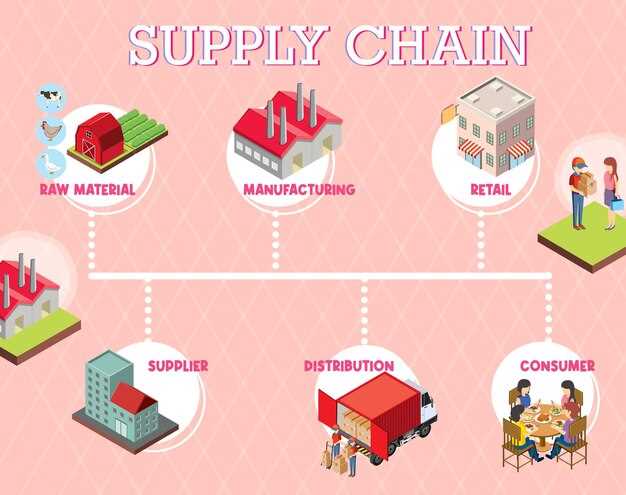
Deploy a layered redundancy plan for critical energy and utility assets, ensuring power, water, and communications stay intact during outages.
Build a clear asset map and install backup generation, on-site storage, and alternate communication pathways so restoration can begin within hours and end with minimal service disruption.
Develop rapid outage playbooks that cover detection, isolation, automatic switchovers, and restoration steps. Run quarterly drills with cross-functional teams to validate procedures and adjust inventories accordingly.
Maintain a lightweight, role-based approach: assign owners, define fast decision points, and establish a fixed escalation path. Use dashboards that track spare parts, fuel levels, and critical stocks to minimize delays in recovery.
Data-driven recovery relies on precise telemetry from substations, meters, and control nodes. Align planning, operations, and procurement to keep assets resilient while controlling costs, and maintain a growing library of scenarios with post-incident reviews to capture lessons learned.
| Asset type | Redundancy approach | Target restore time | Key actions |
|---|---|---|---|
| Power supplies | Backup generators and UPS | 2-4 hours | Automatic switchover, pre-staged fuel |
| Water and pump networks | Backup pumps and valves | 1-3 hours | Remote control, isolation procedures |
| Communications links | Dual paths; wireless as fallback | 0.5-1 hour | Failover routing, routine tests |
| Control centers | Hot standby with mirrored data | 2-3 hours | Redundant displays, cross-trained teams |
Technology and semiconductors: Map bottlenecks and enable multi-sourcing for key materials
Implement a live bottleneck map and enable multi-sourcing for key materials to stabilize supply and costs rapidly.
Build a matrix of materials, suppliers, and regions, with weekly updates and clear decisions thresholds. This matrix clarifies lead times, capacities, and quality, so teams across engineering, procurement, and manufacturing can act quickly. Track the amounts of material on hand and on order to prevent stockouts and to anticipate constraint events ahead; align plans with production calendars using tilmes to synchronize timelines.
Adopt a three-tier sourcing model that blends traditional domestic suppliers with new entrants. Forge relationships with members across regions to ensure resilience and transparency. Identify alternatives at each material to keep production moving during disruptions. This transformation supports continued improvement and increased flexibility, while addressing concern from leadership about exposure to shocks in the world markets.
- Map bottlenecks for silicon, copper, rare earths, and packaging materials using the matrix; quantify risks and design a plan to secure at least two alternatives per material.
- Enable multi-sourcing by securing viable options in domestic and international locations; diversify suppliers to reduce reliance on single sources and to expand resilience.
- Strengthen domestic capabilities where feasible and pursue near-shoring to shorten lead times and improve visibility.
- Invest in robotics for automated testing, sorting, and handling to increase throughput and reduce variability in crucial steps.
- Establish a three-tier supplier framework: core (traditional, domestic), contingency (alternatives), and reserve (backup) to ensure continuity during shocks.
- Set annual risk budgets and track amounts spent vs. saved, with a dashboard that flags changes in lead times, costs, and supplier health.
Technology and data enable rapid decisions. Use analytics and scenario planning to adapt to constrained markets, while maintaining quality. Build an extended ecosystem with cross-functional teams–R&D, sourcing, manufacturing, and logistics–and cultivate relationships across worlds to ensure a steady flow of inputs for fabs and assembly lines, safeguarding jobs and regional economies.
Monitor metrics such as lead-time reductions, increased number of viable alternatives, and reductions in losses during disruptions. Maintain a clear risk matrix, align actions with the annual plan, and push ahead with a transformation that keeps the world, and the world’s semiconductor ecosystems, resilient against shocks.