




Subscribe now to receive three concise updates tomorrow on procurement, order processing, and transportation, so you can act before the market shifts.
Farm-to-shelf visibility helps decide how to minimize waste; a leading grocery operator ties procurement data to ETA schedules, delivering reductions in waste and costs while keeping the customer experience strong in stores and online.
Here are three practical steps, using three tools to implement swiftly: supplier scorecards for transparent supplier performance, order processing automation to shorten cycle times, and route optimization to trim transportation distance. Take your pick of data points and apply them daily to keep the customer experience smooth.
Track three metrics daily: on-time deliveries, order accuracy, and product freshness. Build a single dashboard that consolidates inputs across supplier networks, distribution centers, and stores, so teams act with clear attention and speed.
Tomorrow's notes help managers reallocate inventory, renegotiate terms with suppliers, and optimize stock levels at key points. With this approach, teams keep the customer satisfied and achieve measurable reductions in cost and waste.
Grocery Industry News and Strategy Plan
Recommendation: Launch a 6-month insourcing pilot for staple foods in the north coast and street-front locations to reduce added costs and boost reliability. This initiative centers on inside distribution hubs, renewable energy use, and tighter control over quality, with clear targets for margin improvement and on-time delivery.
Command a cross-functional team to move from pilots to scale. Start with 10 stores and expand to 40, including some urban cores and coastal routes, with the wall-display strategy integrated into the plan. Build supplier onboarding and quality checks into daily routines, and align inventory forecasting with promotional calendars to prevent stockouts and waste.
Financials show that insourcing can cut landed costs by 4-8% in the first year while lifting gross margin 2-5% in high-potential categories. The information from scorecards indicates on-time delivery improving from the mid-80s to mid-90s, which reduces emergency orders and accelerates customer satisfaction. These gains compound at scale, and you should measure them by added margin per SKU and by category. Use whatever information you gather to adjust quickly and keep the program tightly aligned with store operations. Some teams track these metrics weekly to stay ahead of fluctuations.
To stay competitive, watch players like giantmartins and kellanova push private-label growth and category optimization. Insourcing supports this by giving you more control over foods, including fresh and frozen lines, and by enabling value-adds at the street and inside store levels. Focus on soil origins and traceability for fresh products, and integrate supplier data with in-house ERP to turn whatever information you collect into actionable decisions. The plan should include renewable electricity at DCs, efficient routing, and a coast-to-coast supply map that minimizes wall-to-shelf latency for the customer. They also push for a lion's share of private-label growth through faster product introductions and closer category management at the store level.
Next steps: finalize the insourcing scope, set guardrails on cost and quality, appoint a project sponsor, and prepare a quarterly review cadence. Ensure the companys teams in north and coast regions are aligned on vendor contracts, SKU rationalization, and private-label opportunities. Whatever the outcome, keep the customer front and center and iterate swiftly based on real data.
Scope 3 Emissions Hotspots: List top 5 supplier categories and target reductions
Adopt a 5-hotspot Scope 3 plan now: partner with suppliers, set explicit reductions for each category, and align with customer expectations for health and carbon transparency. Use 2023 as baseline year and aim for 2030 targets; implement a joint innovation fund and supplier intelligence dashboards to track progress and adjust contracts.
according to aholds president, decarbonization is a growth driver for grocery retailers that want to meet customer demand for healthier, lower-carbon products. Below, the five hotspots are ranked by potential impact and provide concrete targets and actions.
-
Farm and agriculture suppliers (farm, including fruits, vegetables, dairy, meat, and baker indices)
- Why it's a hotspot: farming and ranching emissions sit inside the largest share of purchased goods and services, affecting product carbon intensity from field to shelf.
- Target: reduce upstream farm emissions by 30% by year 2030 versus a 2023 baseline.
- Actions: establish partnership agreements with regenerative farming programs, invest in precision agriculture, optimize fertilizer and manure management, pilot soil-carbon projects, and include baker operations as part of supplier programs; support small farms and street-market suppliers with technical coaching.
- Measurement: track CO2e per ton of product from farm to shelf, monitor fertilizer use efficiency, and report progress quarterly using intelligence dashboards to surface hot spots inside the farm network.
- Impact and cost: upfront investments unlock long-term cost stability and product quality gains, with health benefits for consumers and supply resilience across year cycles.
-
Packaging and materials suppliers
- Why it's a hotspot: packaging drives cross-cutting emissions, waste, and recyclability challenges across product lines.
- Target: 25% reduction by year 2030 through recycled content, lighter-weight designs, and smarter end-of-life with retailers and municipalities.
- Actions: shift to recycled plastics and paper, design for recyclability, increase refillable formats, and co-fund packaging innovation with suppliers; collaborate with grocery teams to pilot in-store trials and optimize packaging at the point of purchase.
- Measurement: CO2e per packaging unit, share of packaging with high recycled content, and recyclability rates measured at customer touchpoints; use supplier scorecards and intelligence tools to track progress.
- Impact and cost: packaging improvements reduce waste handling costs and improve product health signals; some savings flow down to the bottom line as volumes scale.
-
Upstream transportation and distribution
- Why it's a hotspot: freight, cold chain, and warehousing emissions scale with volume and distance, making logistics a primary lever for Scope 3 reductions.
- Target: 20% reduction by year 2030 through route optimization, modal shifts where feasible, and enhanced cold-chain efficiency.
- Actions: deploy load optimization, adopt cleaner fleets where available, integrate AI-powered routing intelligence, and coordinate with peers to co-load and reduce empty miles; invest in regional consolidation hubs.
- Measurement: CO2e per pallet/mile, energy intensity per shipment, and share of shipments moved via lower-emission modes; monitor via logistics intelligence dashboards.
- Impact and cost: initial tech and fleet investments yield fuel savings and reliability–benefiting both retailers and suppliers while improving urban air quality inside city corridors.
-
Fuel- and energy-related activities of suppliers
- Why it's a hotspot: energy use in supplier facilities drives a meaningful portion of upstream emissions across processing, packaging, and distribution.
- Target: 15% reduction by year 2030 through efficiency measures and on-site renewables.
- Actions: require energy audits, deploy on-site solar or biogas where feasible, procure green electricity, and push supplier commitments to decarbonize heat and power across operations.
- Measurement: supplier energy intensity (kWh per unit of output), share of renewable energy in supplier mix, and progress toward decarbonization milestones; track with dashboards and periodic audits.
- Impact and cost: energy savings cut operating costs and improve store health standards; collaborative procurement lowers price risk and strengthens long-term resilience.
-
Capital goods and equipment suppliers
- Why it's a hotspot: refrigeration, shelving, automation, and POS tech carry embodied carbon across their lifecycles and ongoing maintenance needs.
- Target: 15% reduction by year 2030 through efficiency improvements and longer asset lifetimes.
- Actions: favor energy-efficient equipment with high performance ratings, extend replacement cycles where feasible, and embed decarbonization milestones into procurement deals; pursue retrofits in existing stores and warehouses.
- Measurement: embodied carbon per unit of equipment, maintenance waste, and uptime improvements that reduce energy use; track with asset-level intelligence data.
- Impact and cost: upfront capex may rise, but total cost of ownership decreases as equipment runs cooler and longer, enabling reinvestment in health and carbon-positive innovations at scale.
Omnichannel Blueprint: Align fulfillment channels with shopper journeys and assign owners
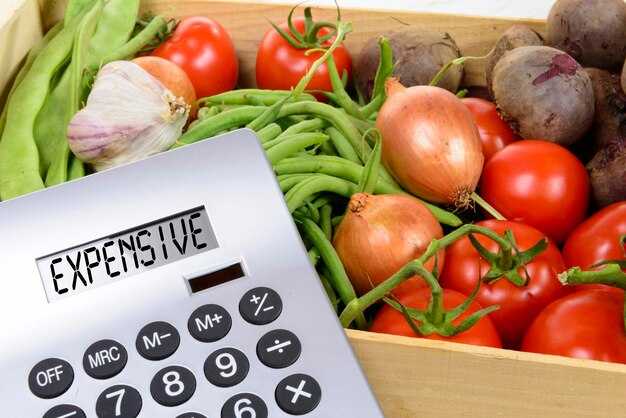
Assign a dedicated owner for each fulfillment pair and tie it to a shopper segment: e-commerce orders, in-store pickup, curbside, and home delivery. The owner will publish a 90-day plan with milestones and SLAs, and they will coordinate cross-channel handoffs to keep operations aligned across the companys functions and other teams.
Map touchpoints to channels by geography and item category. For high-velocity staples, route to store pickup in the north region, while renewable items with longer shelf life go to ship-to-home to reduce waste. Street-level pickup options can be offered in dense cities, with banners signaling availability. They should define where orders originate (online, mobile app) and who owns each step, built from information across POS, OMS, and ERP systems to reduce friction and shorten decision time.
Align data and systems: standardize order capture, inventory, and last-mile status across ERP, WMS, OMS, and TMS. This reduces complex handoffs and time to ship; after implementing automated status feeds, shipped updates occur within minutes rather than hours. In some pilots, transportation costs declined by 6% month over month due to smarter routing, while stockouts dropped by 8% as the coast network came online. The nature of the data has been the backbone of these changes, and we expect further reductions as the data model matures.
Ownership and metrics table below clarifies responsibilities and targets. Update monthly to reflect changes in supplier lead times, promotions, or weather disruptions. Use banners and in-app notices to keep customers informed about availability, reducing returns and waste of ingredients. This approach has a health-positive impact by improving product freshness and service consistency for the shopper experience.
Table summarizes current assignments and targets, with ongoing reviews to ensure the plan remains aligned with time-sensitive demand and operational realities.
| Channel | Assigned Owner | KPI | SLA | Systems Involved | Current Status |
|---|---|---|---|---|---|
| E-commerce storefront | Alex Rivera | On-time fulfillment rate | 95% within 24 hours | OMS, ERP, WMS | Running in 12 pilot warehouses |
| Store Pickup | Priya Nair | Pickup completion within 4 hours | 95% of orders | OMS, POS, WMS | Live in 40 stores north region |
| Ship-to-Home | Chen Li | Delivery on time | 95% by day 2 | OMS, TMS, Carrier APIs | Rolling out |
| Curbside Pickup | Jamal Green | Time-to-ready | 2 hours | OMS, Mobile app | Planned in 15 stores |
Implement a month-by-month cadence with quarterly audits to validate progress, adjust owners, and fund automation enhancements that support the omnichannel blueprint.
AI in Distribution: Identify 3 rapid gains and 2 risks from current pilots
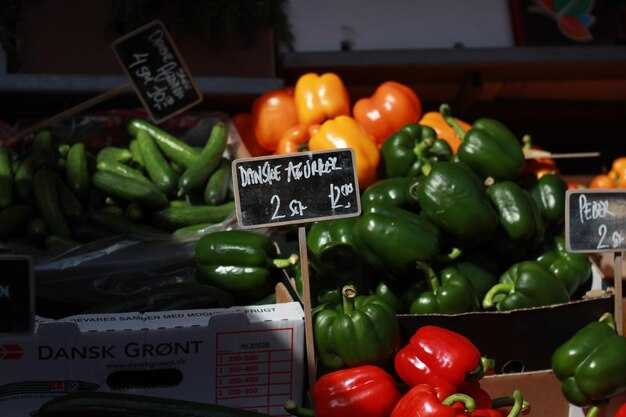
Adopt three concrete actions now: AI-guided pick paths, dynamic storage slotting, and loyalty-driven experiences for self-distribution networks.
Three rapid gains
- Gain 1: Faster, more accurate picks. AI-guided routing reduces inside warehouse travel, boosting throughput in self-distribution networks by 25-35% and lowering mis-picks in frozen and fresh zones. The tools connect with cosgrove sites and east facilities, aligning operations with real-time data and paper records when needed.
- Gain 2: Lower cost and better storage. Models optimize slotting, storage density, and batch picking. Perishables such as potatoes and other foods see less waste; cost per case drops as unnecessary movements are stopped during peak periods.
- Gain 3: Enhanced loyalty and experiences. Collaborations with brands enable personalized picks and bundles via loyalty programs. Customers receive timely recommendations after checkout, boosting repeat orders during Thanksgiving and other peak events.
Two risks
- Risk 1: Data quality and drift. Seasonal spikes during holidays can skew forecasts, causing mis-picks or mis-sorted items in the east region or inside warehouses. Mitigate with cleaner data feeds, guardrails, and regular model validation to stop negative impacts on pick rates and storage use during peak windows.
- Risk 2: Integration, cost, and governance. Connecting new AI tools to existing operations raises cost and complexity, with potential vendor lock-in. Build a phased rollout, assign owners, and use aholds on data feeds to minimize disruption.
Thanksgiving Readiness: Build a real-time demand forecast and inventory plan
Implement a real-time demand forecast fed by POS and online orders, and pair it with a 14-day inventory plan. Connect the forecast to your system that tracks customers, promotions, and back-stock; refresh information hourly to keep operations aligned before peak hours.
Define eight data signals to drive accuracy: historical sales by department, day-of-week patterns, promotions, weather outlook, harvest calendars, supplier lead times, in-store traffic, and fulfillment delays. Align replenishment with facilities planning and contracts with giantmartins and bartlett farmers to secure fresh produce and shelf-stable goods.
Launch an executive dashboard that diligently tracks forecast accuracy, on-hand levels, and upcoming promotions; aiming for a 98% fill rate on core Thanksgiving items. Use the insights to manage promotions, adjust orders, and ensure upgrades to the replenishment system.
Define a 14- to 21-day rolling plan to keep safety stock in eight categories: turkey, dairy, produce, bakery, canned goods, beverages, desserts, and stuffing mixes. Assign owners and set time-bound checkpoints so next-week orders align with carrier windows and store staffing.
For the east region, if demand is down while still strong in other zones, the team would reallocate freight, adjust allocations, and offer targeted promotions.
Keep the information flowing: before peak days, run a two-hour pre-shipment check on critical SKUs and refresh forecasts with the latest information from farmers and facilities.
Leadership Agenda: Translate JJ Fleeman’s priorities into a 6-month US operations roadmap
Launch a six-month operations roadmap that centers on transportation efficiency, grocers and growers alignment, and software upgrades to deliver measurable gains by Month 6.
Emma leads the rollout as project manager, with JJ Fleeman’s priorities translated into concrete milestones, a single data intelligence source for partners, and a monthly review cadence to keep the timeline tight. They will maintain accountability, share updates in plain language, and keep the team focused on high-impact actions.
Month 1: Baseline everything. Audit routes, inventory, and contracts; define KPIs for on-time delivery, cost per mile, and order accuracy; establish the core team and assign Emma as owner; finalize the scope for upgrades to software and related systems; lock vendor terms and set up a central dashboard for progress tracking.
Month 2: Run a targeted transportation pilot in three markets to test routing, load optimization, and carrier performance; implement warehouse upgrades in two facilities; begin renewable energy pilots where feasible; start sharing standardized intelligence with grocers and growers to validate data-driven decisions.
Month 3: Expand pilots to additional markets and volumes; deploy upgraded software across distribution centers; launch a partner portal to strengthen collaboration with grocers and growers; align readiness for Thanksgiving through demand planning, inventory buffers, and proactive replenishment signals.
Month 4: Stabilize operations by locking in repeatable processes; unify data across the intelligence platform for better visibility; complete core upgrades to order management software; deepen collaboration with partners while keeping the project scope under control and stopping scope creep early.
Month 5: Optimize back-office workflows, tighten the timeline, and refine the budget; test new features in staging environments before full release; advance transportation planning capabilities and ensure the team can scale to additional markets without delay.
Month 6: Deliver measurable results: on-time delivery improves by a target of 8%, order accuracy rises 4%, and freight cost per unit drops 6%; present a comprehensive six-month performance report and a plan for the next phase with partners, growers, grocers, and Emma continuing to lead the operations cadence.