
This article is available in several public languages. Choose the version you need.
Rekommendation: påskynda förhandlingarna omedelbart; undvik tullhöjningar som fördjupar fram och tillbaka.
Beijing och Washington står inför ett naturligt vägskäl; tullar höjer insatskostnaderna för tillverkning, stör leveranskedjor på plats och ändrar upphandling. Tjänstemän från båda sidor varnar för att förhandlingar är viktiga; signaler fram och tillbaka kan inte ignoreras. Internationella företag övervakar plattformsförändringar, inklusive konsumentappar som TikTok, vilket speglar snabba reaktioner.
I mars påverkade tullåtgärder viktiga importsektorer; tillverkningsmarginalerna pressas; leverantörsrisken ökar; gränsöverskridande logistik stramas åt. Data på platsnivå visar att upphandlingscyklerna förlängs; ledtiderna för delar från flera regioner ökar; detta påverkar produktionsplanerna. Tjänstemän varnar för att en fortsatt tullpolitik inte kan absorberas utan konsekvenser för prissättning, sysselsättning och anläggningars konkurrenskraft.
Policyval: prioritera riktade tullar på tydliga varor; bevara försörjningskedjor för väsentlig tillverkning. Schemalägg regelbundna förhandlingar; publicera framstegsloggar på en webbplats; behåll ett strikt ramverk för gränser; undvik plötsliga policyförändringar.
Slutsats: fram och tillbaka är oundvikligt; bevara förtroendet med transparent data; ingen upptrappning ännu. Internationellt samarbete kommer att forma tillverkningsresiliens; konsumenter kommer att känna resultaten snabbt; tullar bör vara snävt riktade; om inte, framträder en annan signal som riskerar bredare ekonomiska friktioner på en internationell plattform.
Praktiska infallsvinklar för företag som navigerar i spänningarna kring USA-Kina-tariffarna
Börjar med ett konkret steg: flytta inköpsverksamheten mot USA-baserade leverantörer; minska kostnadsvolatiliteten; börja placera säkerhetslager för kritiska delar som används av fordonstillverkare, elektronik- och fordonssegmenten.
- Kartläggning av leverantörsexponering: identifiera hög exponering per produktgrupp; biltillverkare; elektronik; bildelar; klassificera per leverantör, land, tulltaxa; prioritera källor baserade i Amerika; inköpschef leder genomförandet; begränsningar för tullrisker uppnås.
- Kostnadshantering: klausuler för tarifföverföring; prissäkringar; analytiker inklusive choe-estimat höjd risk; skydda marginaler via prismekanismer; kostnader kan uppgå till miljarder; redo att justera produktmixen över ekonomier.
- Lageroptimering: sikta på 60–90 dagars leveransomfattning för kritiska delar som används av bil- och elektronikindustrin; bygg upp beredskapslager; minska ledtider; spåra antalet täckningsdagar; mät effekten på kostnaderna.
- Geografisk diversifiering: flytta en betydande del av utbudet mot Amerika, Europa; diversifiera till andra ekonomier som Indien, Mexiko; övervaka marknader för volatilitet; bibehåll ett globalt fotavtryck för att minska exponeringen över länder, andra.
- Dataanalys: bygg instrumentpaneler med hjälp av Google Cloud, veckorapporter från analyschefen, utnyttja realtidstariffkartläggning, inkludera choe, analytikers insikter, säkerställ fortsatt synlighet över marknader, global försörjningskedja.
- Partnerskapsavtal: förhandla med leverantörer; fastställ tydligt uttalande om prisjusteringar; genomför gemensamma kostnadsreduceringsprogram; sträva efter att minska riskerna i hela leveranskedjan.
- Svarstid: Förstahandsfördelen gör beredskap avgörande; spåra ledtider i dagar; justera produktionsscheman; kalibrera med partner för snabb övergång.
Vilka tullsystem och produktlinjer utgör den största risken (HS-koder att övervaka)?
Rekommendation: Prioritera MFN-tullar, åtgärder enligt avsnitt 301 och eventuell eskalering kopplad till bilaterala samtal. Bygg en dynamisk bevakningslista kopplad till riskpaneler för upphandling; säkra genom diversifiering av leverantörer, nearshoring-alternativ och lagerbuffertar. Ställ in tröskelvärdesvarningar för plötsliga tulländringar, omvända tullkvoter eller nya antidumpningsutredningar.
- Tulltaxeregler att övervaka
- MFN-baslinjeplikter över sektorer med fortsatt exponering
- Ensidiga tullar enligt Section 301 relaterade till spänningar med Kina
- Tullar enligt avsnitt 232 på stål, aluminium; potentiell utvidgning eller ny produkttäckning
- Antidumpnings- och utjämningsåtgärder för att justera konkurrensbalansen
- Skyddsåtgärder som utlöser tillfälliga tullar inom specifika branscher
- Eskalerande tullavgifter på insatsvaror jämfört med slutprodukter
- Tariffkvoter eller säsongsanpassningar som flyttar importkostnader
- Produktlinjer att hålla koll på (HS-koder)
- Fordon och komponenter: HS 8703 (motorfordon) och HS 8708 (delar och tillbehör)
- Elektriska maskiner, IC:er: HS 8542 (elektroniska integrerade kretsar)
- Automationshårdvara: HS 8471 (automatiska databehandlingsmaskiner)
- Maskiner för tillverkning och bearbetning: HS 8464, HS 8501
- Telekomutrustning och hemelektronik: HS 8517, HS 8525–8527
- Plaster och kemikalier som används längre upp i värdekedjan: HS 3907, HS 3909
- Signaler som signalerar eskaleringsrisk
- Senaste samtalen skapar momentum bland ledande nationer; tjänstemän varnar för potentiell mur runt försörjningskedjor.
- Mitt ett brus av offentlig diskurs, senatsåtgärder och medietäckning om chinatopix eller tiktok-diskursen
- Förändringar i stämningen noterades från kommentarer om Wang; bilaterala svar från Kina-allierade förhandlare
- Gränsöverskridande samtal med canada indikerar att handelsvägar utvecklas eller att prissättningen förändras inom logistik.
- Priserna sjönk på flera ursprungsmarknader när importtullarna skärptes; företagen svarade med prisjusteringar
- Mildrande åtgärder för att minska risken för exponering
- Lagerhållning av buffertlager för högriskgrupper enligt HS-nummer; diversifiera leverantörer över regioner
- Kostnadsövervältringsanalyser; transparent prissättning med kunder inom varaktiga varor och fordon
- Nearshoring eller regional sourcing för att förkorta leveranskedjor
- Aktiv bevakning av officiella uttalanden, senatsinformationer och samtal på internationell nivå
Hur du kartlägger din leveranskedja för enskilda felpunkter och beredskapsalternativ

Identifiera högeffektiva artiklar först. Kartlägg nivå 1-leverantörer, interna processer, logistikvägar för att lokalisera enstaka felpunkter. Bygg en baslinje med två leverantörer per artikel; lägg till alternativa rutter, nearshoring-alternativ.
Fram och tillbaka datainsamling i leverantörsnätverk. Prioritera USA-baserade alternativ när det är möjligt; tidigare införda tullar måste inkluderas i beräknade riskpoäng. Ökade farhågor från personer som påverkar leveransval; sträva efter att minska ökningen av exponering, aktier i riskzonen, de som täcks av buffertar.
Geografikarta avslöjar känsliga punkter: anläggningar på gatunivå, hamnknutpunkter, regionala lager. Länkar delar med handelsflöden; liknande exponering på europeiska, amerikanska marknader. Om policyförändringar sker kan undantagsförfaranden gälla för kritiska artiklar, vilket underlättar nödinköp. Konkreta alternativ inkluderar närshoring till indiska eller EU-baserade leverantörer; upprättande av reservlinjer med fotontillverkare; samarbete med regionala EU-nätverk. Amerika tillkännager nya åtgärder; europeiska partner tillkännager liknande steg; ensidiga svar ökar; senatens debatter fokuserar på kostnader.
Kör scenariotester: 30 dagars leveransavbrott; 60 dagars leverantörsinsolvens; 90 dagars transportflaskhalsar. Beräkna för varje scenario kostnadsdelta, återhämtningstid, andel av totala utgifterna som påverkas. Behöver tvärfunktionellt team inklusive inköp, ekonomi, drift, juridik. Använd instrumentpaneler som flaggar tidigare införda begränsningar när de dyker upp i leveranskedjan. Övervaka mätvärden som priser, ledtider, kvalitetsfel, upphämtningskapacitet på gatulager. Skydda mot pristoppar genom att valutasäkra och säkra leverantörer.
Granska amerikanska tullar som påverkar varor från Europa; överväg undantag för kritiska komponenter. Spåra andelar av inköp per region; om Amerika svänger mot inhemsk produktion, justera riskprofil. Förbered alternativa leverantörer från indiska och europeiska marknader; Photong har rötter i Asien; säkerställ efterlevnad av handelsregler och kompensationsskyldigheter.
Återigen, upprätthåll en levande karta med kvartalsvisa uppdateringar, integrera nya leverantörer, hamnar, distributionscentraler för att minska exponeringen för enskilda punkter. Behöver anpassa riskpoängen efter varje uppdatering; säkerställ ledningssamordning mellan inköp, drift, ekonomi.
Kostnadspåverkansmodeller: övervältring, prisjusteringar och marginalskydd
Använd en trestegsmodell för kostnadseffekter: övervältring, prisjusteringar, marginalskydd.
Vidarefakturering av kanalavgiftsförändringar, skatter och valutaförändringar till konsumentpriser under månaden.
Prisjusteringar kräver detaljerad insyn i hela försörjningskedjan; möjliggör snabba svar på fördröjda kostnader, bevara konsumenternas tillgång.
Marginalskydd buffrar tillverkarens vinster genom att fastställa tröskelvärden för kostnadschocker; riskkontroller förlitar sig på dialog, pakt signalering, valutaterminer.
Månad efter månad smäller politiska skiften mot industrisektorer; miljarder i exponering följer export, textil-, stål-, jordbrukslinjer; laster ökar, nedsidesrisker kvarstår, marginaler rasade; fotoprover från britanien, östmarknader visar signalering från jinping-politik; fackliga påtryckningar driver upp lönerna, redo leverantörer beställde kapacitet.
Skrev interna PM som beskriver marginaler under genomgångsscenarioner, vilket bekräftar effektiva riskkontroller.
Implementeringssteg: bygg rullande modeller för att simulera genomslags-känslighet under olika avtalsscenarier; bibehåll marginalbuffertar över produktfamiljer; spåra resultat per månad, skatteförändringar, störningar i leveranskedjan. Förlita dig på realtidsdata.
Strategier för leverantörsdiversifiering och närshoring för att minska risker
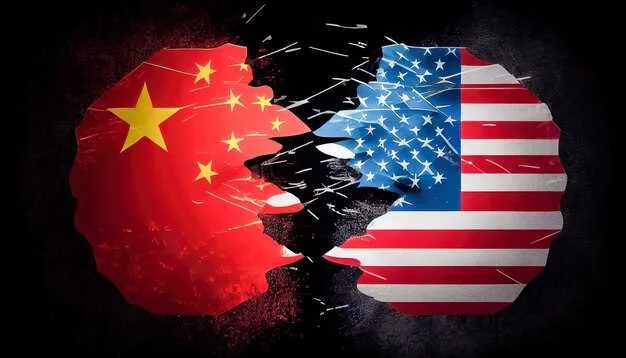
Rekommendation: Förflytta 20–30 % av icke-kärnanskaffning mot regionala leverantörer på nordamerikanska närliggande marknader, vilket etablerar snabba påfyllningscykler, högre synlighet över nivåer. Detta ger motståndskraft vid störningar, sänker transittider, minskar långdistans exponering, stärker åtgärder för leverantörsrisk.
Åtgärder att implementera: kartlägg kritiska artiklar till regionala fotavtryck; kvalificera leverantörer via sandlådeprogram; fastställ upptrappningshastigheter; upprätthåll dubbla källor för strategiska kategorier; spåra prestanda på en delad plattform. Sannolikt minskar exponeringen för tullsmällar, paus, policyförändringar; ger jämnare lager, snabbare reaktionstider. Lovande tidiga signaler uppträder när fotavtryck breddas över hela världen. Titta noga på leverantörers finansieringsmått, kapacitetsökning, kvalitetspoäng. Policyförändringar kom mitt i en bräcklig återhämtning.
Varumix illustrerar värde: metaller som yttrium; andra metaller; jordbruksinsatser som sorghum; jordbruksförnödenheter; gödningskomponenter. Under svepande globala skiften rasade aktier, gled, återhämtade sig sedan ojämnt. Rapporter från chinatopix visar vad som driver exporten; Kinavolymerna förblir meningsfulla; laster skiftar över hela världen. Wang-länkade leverantörer ger tangrisksignaler; Wang noterar dem, vilket möjliggör riskskydd. Stöd för mindre anläggningar; tangpåverkan från Wang-länkade leverantörer; plattform spårar laster; skydd för dem. Senaste data konvergerar; leta efter en stigande trend inom nearshoring, med laster som rör sig snabbare och färre störningar.
Viktiga signaler att spåra i politiken: tulltillkännagivanden, exportkontroller och efterlevnadstrender
Börja med en daglig bevakningslista över tre policykanaler: tulltaxeändringar, exportkontroller, trender inom efterlevnad.
Utse tydliga ägare för varje kanal; spåra officiella drag genom ministeruttalanden; övervaka kommissionsrapporter; flagga ensidiga åtgärder.
Leta efter friktionssignaler i Kina-politiken; återspeglas genom skattejusteringar; förbjudna transporter; importerade varor.
Kinas friktion trappas upp via tiktokrestriktioner; chinatopix-bevakning ger mer färg; åtgärder över gränser.
shandong inför nya importkontroller; aprilaviseringar återspeglar risker i leveranskedjan för jordbruk.
när instrumentpanelerna uppdaterats; reklamkampanjer utomlands ökar medvetenheten. ministerns chef beskriver förändringar; förhandlingarna fortsätter.
åtgärder för provisioner; instruktioner till regelefterlevnadschefer om att justera scheman; uppdaterade listor över förbjudna personer.
Förhandlingar fortsätter; ensidiga åtgärder fortsätter; håll utkik efter hämndtariffer; affärsrisken kvarstår.
| Signal | Vad ska man titta på | Impact |
|---|---|---|
| Tariffmeddelanden | Nya tullar på importerade varor; beskattade varor framträder; Kinas svar övervakas | Prisförändringar; omkalibrering av leveranskedjan; aktier under press |
| Exportkontroller | Licensändringar; komponentförbud; anteckningar om chinatopix; omdirigerade leveranser | Omledda försörjningslinjer; ökade produktionskostnader; gränsöverskridande förseningar |
| Verkställighetstrender | Kommissionsåtgärder; ministerdirektiv; ensidiga åtgärder; vedergällningstullar; risk för människohandel flaggad | Regelbörda; press på leverantörer; aktievolatilitet |
| Market signals | reklamkampanjer; aktiekursernas rörelser; svar från länder i syd; importerade kostnader; påverkan på jordbrukets leveranskedja | Marginalförändringar; kapitalallokeringar; riskpremier |