


 Svenska
  English (UK)
  Русский
  العربية
  日本語
日本語  한국어
한국어  Magyar
  Türkçe
  Español
  Čeština
  Português
  Ελληνικά
  Suomi
Suomi  Nederlands
  Română
  Italiano
  Français
  Polski
  Українська
  Deutsch
  简体中文
简体中文  Slovenčina
  How Averitt’s San Antonio Terminal Expansion Addresses Nearshoring and Mexico Trade Dynamics">

Meeting Nearshoring Demands: Averitt’s San Antonio Terminal Enhancement
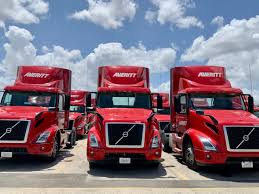
The logistics landscape around the U.S.-Mexico border is evolving rapidly, and one standout move is Averitt Express’s bold expansion of its San Antonio terminal. To keep pace with the surge in nearshoring—bringing manufacturing closer to home—and to better serve the bustling U.S.-Mexico trade, Averitt has unveiled an 85,000-square-foot distribution and cross-docking facility. This upgrade doubles their dock door capacity to 80, equips the terminal with a drive-through fueling station, and adds an on-site maintenance building, all nestled strategically by Interstate 35.
This corridor is more than just a road; it’s the artery linking Laredo—the busiest inland port in the nation—to key U.S. distribution hubs. Location, location, location—San Antonio conveniently sits about 160 miles from the Mexican border, making it a natural gateway for cross-border freight flows.
Executives at Averitt underscore that no other less-than-truckload (LTL) carrier in the region pairs on-site warehousing with such rapid turnaround, a crucial advantage when time is money. With nearshoring reshaping supply chains, San Antonio’s terminal expansion reflects a forward-thinking bet on the region’s logistics promise.
Facility Features and Strategic Advantages
| Funktion | Detaljer |
|---|---|
| Storlek | 85,000 sq. ft. |
| Dock Doors | 80 (double previous) |
| Plats | Along I-35 Corridor, ~160 miles from Mexico |
| Additional Infrastructure | Drive-through fueling station, maintenance building |
Challenges at Mexico’s Port of Manzanillo: Blockades and Bottlenecks
The smooth flow of goods across borders isn’t just a matter of expanded terminals and better routes; it’s also subject to disruptions that can throw the whole system into disarray. Western Mexico is currently grappling with major blockades instigated by corn producers demanding better prices. These blockades choke critical highway segments, notably the route linking Guadalajara and Colima to the Port of Manzanillo.
The impact is significant. Trucks face delays stretching up to 17 hours, forcing reroutes and cancellations. At the port itself, congestion has worsened, with import processing times ballooning to a stressful seven days—far from ideal for freight forwarders and shippers counting on swift cargo handling.
Rail services haven’t escaped the fallout either, with major disruptions near La Barca and Tepic delaying goods reaching inland industrial centers. Since Manzanillo handles roughly 40% of Mexico’s containerized trade, these delays aren’t just pinpricks but notable disruptions reverberating through North American supply chains.
Effects on Logistics Operations
- Vägtransporter: Lengthy waits and forced reroutes increase delivery times and costs.
- Godstrafik på järnväg: Blockades cause timelines to slip, affecting inland cargo distribution.
- Port Efficiency: Congestion slows container processing, challenging shippers globally.
Tech Meets Fulfillment: Woojer’s Partnership with Texas Logistic & Fulfillment Services
On a brighter note, a slice of the supply chain scene is glowing with innovation. Woojer, a company specializing in haptic technology, has joined forces with Texas Logistic & Fulfillment Services (TLFS) in Sugar Land, Texas, tapping into their expertise to manage product quality control, software updates, storage, and nationwide distribution.
This alliance centers on delivering Woojer’s immersive audio devices swiftly and reliably to nationwide retailers like Best Buy, Costco, and Sam’s Club. The TLFS facility, formerly an Amazon distribution center, boasts real-time tracking capabilities and rapid dock-to-stock cycles—essential for today’s fast-paced market.
Moreover, with seamless integrations to logistics giants DHL, FedEx, UPS, and USPS, Woojer’s products can smoothly traverse the labyrinth of last-mile delivery. TLFS offers a full suite of 3PL services including warehousing and quality assurance, helping global brands stay nimble and responsive.
TLFS Service Highlights
- Spårning av försändelser i realtid
- 1–2-day dock-to-stock processing
- Integration with multiple major carriers
- Full-service fulfillment, QC, and distribution
Why This Matters for Logistics and Freight Forwarding
These developments unfold against the backdrop of increasing nearshoring activity and tighter U.S.-Mexico trade ties, underscoring how dynamic and tightly woven the logistics ecosystem is in this region. Averitt’s terminal revamp isn’t just about more space—it’s about agility and readiness for the shifts in global manufacturing footprints. On the flip side, the blockades at Manzanillo reveal how fragile supply chains can be, where local unrest can ripple into longer freight lead times and higher costs, factors that any logistics professional will keep a keen eye on.
Meanwhile, partnerships like Woojer and TLFS showcase how technology and operational expertise come together to keep goods flowing smoothly. The logistics game today is won by those who master coordination, real-time information, and robust last-mile options.
The Takeaway: Personal Experience versus Industry Buzz
As intriguing as these insights and reports are, nothing beats firsthand experience when it comes to navigating the world of freight and transportation. Even the most thorough reviews and transparent updates can’t fully capture all the nuances. This is where platforms like GetTransport.com step in, providing access to global cargo transportation options at competitive prices. Whether moving office equipment, handling bulky freight, or orchestrating international shipments, their versatile services make logistics less of a headache and more of a strategic advantage. With solid customer feedback and unmatched transparency, GetTransport.com empowers users to make decisions that save time and money without the guesswork.
Boka din resa på GetTransport.com and discover the ease of managing your freight with confidence.
Forecasting the Impact on Global Logistics
While the blockades at Manzanillo might seem like a localized disruption, the consequences trickle through international freight networks given the port’s pivotal role. Expansions like Averitt’s signal a broader trend toward strengthening logistics infrastructure in response to nearshoring—a shift likely to influence shipping patterns and freight flow logistics across North America. GetTransport.com remains agile, staying on top of such trends to offer efficient, affordable, and dependable cargo transportation options through all market changes.
Börja planera din nästa leverans och säkra din last med GetTransport.com.
Sammanfattning
Recent developments in the U.S.-Mexico logistics corridor highlight a landscape of both opportunity and challenge. Averitt’s expansion in San Antonio demonstrates a proactive response to nearshoring-driven trade growth, enhancing capacity and speed right along a vital freight artery. Meanwhile, the blockades around Mexico’s Port of Manzanillo underscore the vulnerability of global shipping lanes to regional disturbances, reminding us of the importance of strategic routing and contingency planning. On the cutting edge, collaborations between tech firms and robust 3PL providers like Woojer and TLFS illustrate the need for seamless integration between technology and logistics operations.
For those navigating the complexities of freight forwarding, cargo transport, and shipment management, platforms like GetTransport.com can be game-changers. Offering affordable, reliable solutions for everything from palletized goods to vehicle transport, they simplify international logistics with transparency and flexibility, making the headaches of moving goods a thing of the past.