


 Svenska
  English (UK)
  Русский
  العربية
  日本語
日本語  한국어
한국어  Magyar
  Türkçe
  Español
  Čeština
  Português
  Ελληνικά
  Suomi
Suomi  Nederlands
  Română
  Italiano
  Français
  Polski
  Українська
  Deutsch
  简体中文
简体中文  Slovenčina
 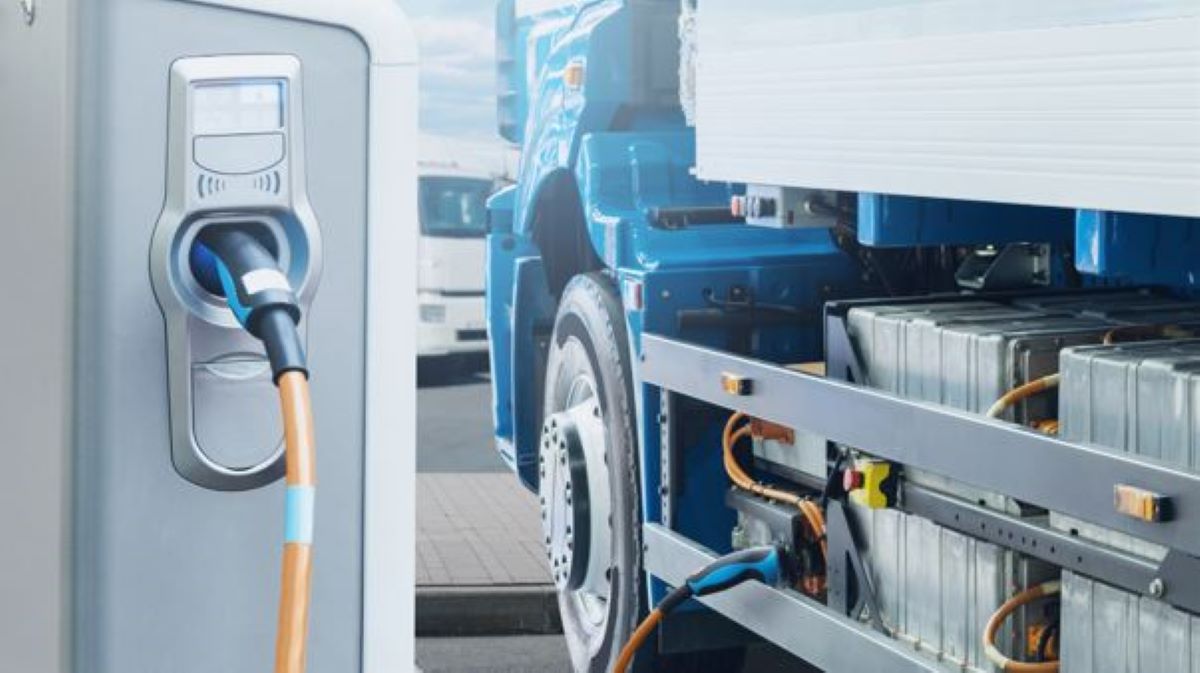 European Commission Greenlights €1.6 Billion Support for Electric Truck Charging Network in Germany">

Backing the Shift to Electric Heavy-Duty Vehicles on German Highways
The European Commission has authorized a substantial €1.6 billion state aid package supporting the development of rapid charging stations for electric heavy-duty vehicles (e-HDV) along Germany’s motorways. This funding aims to boost public access to fast chargers at service area rest stops without existing amenities, helping accelerate the rollout of electric trucks and buses.
Details of Germany’s Charging Infrastructure Program
Operating under guidelines compliant with EU state aid rules, the program envisions up to 1,410 charging points across over 120 rest areas on German highways managed by Die Autobahn GmbH des Bundes. The aid includes direct grants and recurring subsidies covering construction and operational costs for up to 12 years, ensuring both infrastructure quality and service longevity.
Operators chosen through competitive bidding will manage the charging points, offering multiple pricing options such as pay-as-you-go, contract plans, and energy provider transfer rates. This fosters pricing competition and broadens access, while a charging network fee will be implemented to recoup infrastructure costs, adjusted biennially to reflect market trends.
Why This Investment Is a Game-Changer
- Exposure for Electric Trucks: The plan directly addresses a significant hurdle—limited charging infrastructure—that has restrained e-HDV market growth.
- Market Stimulation: By making fast charging widely accessible, it creates tangible incentives for fleets to transition away from diesel.
- Mål för hållbarhet: This initiative aligns with the European Green Deal and the “Fit for 55” package to drastically cut greenhouse gas emissions.
Europe-Wide Impact and Policy Alignment
The Commission evaluated this aid invitation based on the Treaty on the Functioning of the European Union, concluding that it is necessary for scaling up fast-charging infrastructure, provides sufficient incentives, and safeguards fair competition within the EU market.
This German project ties into a broader vision to establish an integrated trans-European network for electric vehicle charging, fostering cohesion in cross-border freight transport’s sustainability.
The Environmental Rationale Behind the Initiative
Heavy-duty vehicles are a major emitter of greenhouse gases, responsible for nearly a quarter of transport emissions in Germany as of 2024. With the country’s ambitious targets to reduce emissions by 65% compared to 1990 levels by 2030—and to achieve carbon neutrality by 2045—the electrification of trucks is pivotal.
Despite projections for significant growth in the electric heavy vehicle market by 2030, they currently represent a mere 0.37% of Germany’s heavy-duty fleet. A dense, dependable charging network is crucial to encourage widescale adoption, especially on high-traffic transit corridors where charging needs are intense and specialized equipment is required.
Challenges Specific to Heavy-Duty Electric Vehicles
| Aspekt | Particulars for Heavy-Duty EVs |
|---|---|
| Battery Size | Large capacity batteries require ultra-fast chargers with high power outputs. |
| Laddningstid | Needs to be minimal to align with demanding transport schedules. |
| Infrastructure Placement | Must be strategically located along major freight corridors and rest zones. |
| Operational Reliability | Stations must support continuous usage with minimal downtime. |
Vad detta innebär för logistik och godstransport
For logistics operators, the development of a reliable charging network reduces range anxiety for e-trucks, enhances route planning flexibility, and can decrease costs related to fuel and emissions penalties. In addition, with infrastructure built along key transit routes, international freight transport will benefit directly, fostering smoother cross-border operations with electric fleets.
A Word on Competition and Market Fairness
Concerns raised by some market participants about potential competition issues were examined thoroughly by the Commission. It concluded the measure strikes a balance, encouraging investment and deployment while preserving fair market dynamics. Pricing models and subsidization mechanisms have been designed to avoid distortions and promote a healthy charging ecosystem.
Looking Ahead: The Future of Electric Truck Charging Network in Europe
The approved German plan marks a crucial step in a continent-wide effort to support freight electrification. As infrastructure builds out, logistics companies can anticipate more predictable and sustainable operations. This will also facilitate innovation in freight transport, enabling the deployment of cleaner, quieter, and more efficient vehicles.
In Summary: Key Takeaways
- Substantial Investment: €1.6 billion support for rapid charging stations targeting heavy electric vehicles.
- Focus on Highway Rest Areas: Targeting more than 120 rest areas to create a dense network.
- Multipronged Pricing Approach: Encouraging competition and accessibility.
- Strategic Importance: Helping Germany—and Europe—progress towards climate goals.
- Påverkan på logistiken: Facilitates cost-efficient, reliable, and sustainable cargo transport.
Your Next Step in Freight Transport Efficiency
While public policies and infrastructure investments pave the way for a cleaner future, no online review or secondhand report can substitute for firsthand experience. GetTransport.com offers global, affordable cargo transportation solutions that empower you to navigate the evolving logistics landscape with confidence. Whether moving office equipment, delivering bulky goods, or hauling vehicles, the platform’s wide-ranging options help you find the best fit for your needs without breaking the bank.
Discover how GetTransport.com’s transparent pricing and extensive service network can optimize your freight operations. Book your Ride GetTransport.com and make your transport budget go the extra mile.
Forecasting the Impact on Global Logistics
Though this German investment might seem localized, its ripple effects in sustainability-focused freight transport will resonate across Europe and beyond. Dense, fast-charging corridors for electric trucks are crucial building blocks for international logistics chains to reduce emissions without sacrificing efficiency.
Recognizing the importance of staying on the cutting edge of both technology and infrastructure, GetTransport.com keeps pace with such developments—offering clients reliable, modern transport solutions. Start planning your next delivery and secure your cargo with GetTransport.com.
Slutliga tankar
Germany’s €1.6 billion initiative to install rapid charging stations for electric heavy-duty vehicles on its highways exemplifies the intersection of policy, infrastructure, and logistics innovation. This ambitious project not only supports environmental targets but also directly enhances the operational feasibility of electric freight transport, which is vital for modern supply chains.
By establishing a dense, competitive network of charging points, it addresses core challenges such as range anxiety and charging time, crucial for the scalability of e-HDV fleets. Logistics providers stand to gain from improved route reliability and reduced emissions, aligning operational goals with broader sustainability demands.
Platforms like GetTransport.com are well-positioned to leverage these infrastructural strides, offering global freight, haulage, and bulky goods transport at reasonable prices with unparalleled convenience. With smart logistics solutions available at your fingertips, the transition to greener freight is not just a lofty goal but an actionable reality.