


 Svenska
  English (UK)
  Русский
  العربية
  日本語
日本語  한국어
한국어  Magyar
  Türkçe
  Español
  Čeština
  Português
  Ελληνικά
  Suomi
Suomi  Nederlands
  Română
  Italiano
  Français
  Polski
  Українська
  Deutsch
  简体中文
简体中文  Slovenčina
 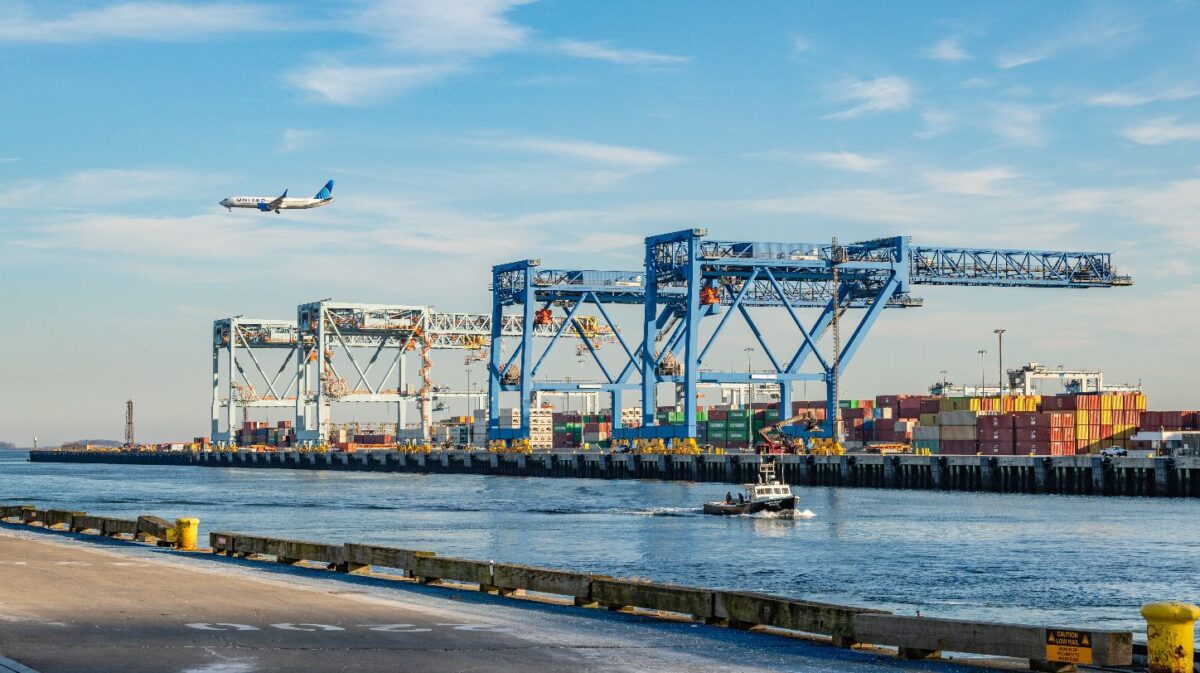 Hur slutet på USA:s undantag för minimala tullar omkonfigurerar importtullar och logistik">

Understanding the End of the US De Minimis Tariff Exemption
As of 29 August 2025, the United States officially lifted the longstanding de minimis tariff exemption, meaning that all imported goods valued under $800 are now subject to full customs duties and fees. This exemption previously allowed low-value shipments to enter the US free of import taxes, easing the burden on consumers and businesses alike. The term “de minimis” hails from Latin, meaning “the law does not concern itself with trifles”—a nod to the law’s historic tolerance for small-scale imports without duty.
The Genesis and Evolution of De Minimis
The exemption was originally introduced to streamline customs administration and reduce costs by sparing low-value shipments from complex paperwork and fees. It began in 1938 with a meager $1 threshold, gradually increasing to the current $800 limit in 2016. Yet this leniency has recently been revoked, dramatically altering import regulations overnight.
Reasons Behind the Policy Shift
The executive decision to eliminate the exemption centers on several national concerns. Citing the need to curb illicit imports like counterfeit goods and dangerous substances—fentanyl, among the stated issues—the US government deemed it necessary to reimpose duties on all imports regardless of value. Experts also emphasize the fight against tariff evasion as a core motive.
Key Policy Changes
| Aspekt | Before 29 Aug 2025 | After 29 Aug 2025 |
|---|---|---|
| Goods under $800 | Exempt from duties | Subject to full customs duties and fees |
| Customs paperwork | Minimal for low-value items | Krävs för alla försändelser |
| National Security Concerns | Less addressed via import controls | Key driver for tighter enforcement |
Impact on Consumers and Businesses
The repeal has a ripple effect reaching both consumers and businesses—especially those dealing with low-value, cross-border transactions. Economists from Yale forecast that American families could see an increase in annual expenses of up to $136 due to the new tariffs on smaller purchases from overseas.
Socioeconomic Disparities in Impact
Low-income and minority communities may bear a disproportionate share of these increased costs. Statistical data indicates that 73% of shipments destined for lower-income U.S. zip codes fall under $5,000 in value, whereas wealthier zip codes account for only 52%. This uneven distribution hints that the tariff reinstatement will weigh heavier on those purchasing more affordable foreign goods.
Effects on E-Commerce and Retail Competition
The shakeup also sends shockwaves through the e-commerce landscape, where platforms like Temu and Shein, known for budget-friendly imports, face reduced competitive advantage. Analysts predict this could ease pressure on giants like Amazon, reshaping the competitive terrain.
New Challenges for International Sellers
Retailers outside the US are also adjusting to the rules. For example, UK exporters now face:
- A 10% tariff on non-postal shipments.
- Postal deliveries subject to ad valorem duty or flat fees ranging from $80 to $200 per item until February 2026, after which only ad valorem duties remain.
Sellers must carefully manage customs declarations and tariff payments to avoid costly delays. Carrier fees, such as handling charges introduced by Royal Mail, further complicate logistics and raise overall costs.
Industry Responses: How Parcel Companies Are Coping
Parcel operators express concerns over the disruption. One UK parcel company highlighted the risk of parcels being delayed or returned, threatening the revenue of millions of small and medium-sized enterprises (SMEs). To mitigate this, innovative customs clearance methods have been introduced, including:
- Retail-paid duty models where the retailer absorbs duty costs, avoiding surprises for customers.
- Customer-prepaid duty models that involve collecting duties upfront from consumers before shipment reaches the US.
The Logistics Angle: What This Means for Freight and Supply Chains
The new tariff landscape is set to recalibrate logistikverksamhet globally. Shipments that once sailed through duty-free channels now require more thorough customs processing, increasing transit times and administrative overhead. This creates a domino effect across shipping, forwarding, dispatch, haulage, and delivery networks.
Key Logistics Concerns
- Administrative delays: More shipments will need detailed customs paperwork.
- Increased costs: Higher tariffs raise overall freight expenses.
- Supply chain adjustments: Businesses must rethink sourcing, inventory, and distribution strategies to manage increased duties and fees.
Upcoming Industry Events Boosting Supply Chain Innovations
Recognition and networking opportunities, like the Supply Chain Excellence Awards USA 2025 and the IntraLogisteX USA conference in Miami, provide platforms for logistics professionals to strategize on agility and efficiency amidst these changes.
Att Ge Sinne är: Personliga Erfarenheter Spelar Roll
Även om expertrecensioner och ekonomiska prognoser ger en gedigen översikt, slår inget personlig erfarenhet när det gäller att navigera i dessa föränderliga importregler och logistiska utmaningar. Genom att använda plattformar som GetTransport.com kan användare få tillgång till en transparent och prisvärd marknadsplats för global godstransport, som täcker allt från flytt av kontor till försändelser av skrymmande möbler.
GetTransport.com utmärker sig genom att erbjuda ett brett utbud av frakt- och flytttjänster, vilket förenklar komplex logistik samtidigt som det hjälper till att hålla kostnaderna nere. Dess lösningar anpassas till de krav som ställs av tulländringar och säkerställer att försändelser följer föreskrifterna utan att spräcka budgeten. Boka din resa med GetTransport.com och upplev enkel transport.
Forecasting the Future: Impact on Global Logistics
Även om slutet på det minsta tullundantaget främst påverkar import till USA, känner man efterdyningarna längs globala leveranskedjor. Ökad tullkontroll leder oundvikligen till ytterligare lager av komplexitet för internationell frakt och kurirservice. Även om denna utveckling kanske inte förändrar den globala logistiken i en enorm utsträckning, understryker den vikten av att vara informerad och anpassningsbar.
GetTransport.com fortsätter att vara engagerat i att hålla jämsteg med sådana branschförändringar och erbjuder pålitliga, kostnadseffektiva alternativ för godstransporter över hela världen. Börja planera din nästa leverans och säkra din last med GetTransport.com.
Sammanfattning
Upgörandet av USA:s minimiavgiftstillägg markerar en avgörande händelse, vilket avslutar en årtionden lång praxis med tullfria importvaror av lågt värde under $800. Denna förändring syftar till att stärka den nationella säkerheten och bekämpa olaglig handel, men det ökar också kostnaderna för konsumenterna, särskilt de med lägre inkomster, och tillför komplexitet åt företag som hanterar internationella försändelser.
Detaljhandlare måste nu hantera nya tullar och administrativa avgifter, vilket kräver skarpare uppmärksamhet på tullöverensstämmelse. För logistik innebär det mer detaljerad försändelsehantering, vilket potentiellt kan påverka leveranstider och kostnader. Evenemang som Supply Chain Excellence Awards och IntraLogisteX USA belyser branschens ansträngningar att anpassa sig och innovera under dessa föränderliga förhållanden.
Att balansera dessa utmaningar är lättare med plattformar som GetTransport.com, som effektiviserar godstransporter, lastning och leveranstjänster över globala rutter. Genom att erbjuda transparent prissättning och ett brett spektrum av logistiklösningar – inklusive flyttning, omflyttning och transport av skrymmande gods – möter GetTransport.com de praktiska behov som uppstår till följd av dessa tulländringar och bortom.