


 Svenska
  English (UK)
  Русский
  العربية
  日本語
日本語  한국어
한국어  Magyar
  Türkçe
  Español
  Čeština
  Português
  Ελληνικά
  Suomi
Suomi  Nederlands
  Română
  Italiano
  Français
  Polski
  Українська
  Deutsch
  简体中文
简体中文  Slovenčina
 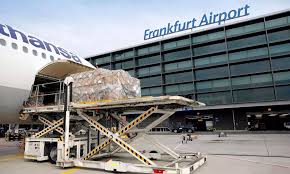 Frankfurt Airports vision: Öka kapaciteten för flygfrakt och digital integration för logistisk tillväxt">

Adapting to the Increasing Demands of European Air Cargo
Europe’s air cargo sector is navigating a whirlwind of changes as rising e-commerce activity, evolving supply chains, and tougher environmental standards reshape the landscape. Frankfurt Airport, a heavyweight among Europe’s cargo hubs, offers a compelling example of how airports are gearing up for the future of logistics and freight transport.
Forecasting Strong Growth and the Need for Integrated Capacity
Projections suggest that airfreight volumes at Frankfurt Airport could jump by as much as 50% by 2040. This surge doesn’t just mean slapping up new warehouses or adding runways. Instead, it calls for a holistic revamp of how the airport works hand-in-hand with freight forwarders, cargo handlers, airlines, and ground transport operators. Physical expansions are crucial, but equally important is fostering digital resilience and streamlined communication within the cargo ecosystem.
Physical Expansion: Building Room for Growth
Frankfurt is extending its operations both airside och landside. The airport’s existing airside capacity is already strong, so the spotlight turns to landside developments, focused on creating more space for freight forwarders and cargo handling businesses.
This kind of deliberate, long-term capacity planning offers airlines and logistics players much-needed confidence that the airport will be a steady base for growth, not just a flash in the pan.
| Area | Development Focus | Fördelar |
|---|---|---|
| Airside | Existing capacity ready for more cargo flights | Immediate handling of increased freight volumes |
| Landside | Expanded facilities for freight forwarders and handlers | Improved operational flow and room for business growth |
Digital Infrastructure: The Invisible Backbone
The rise of digital platforms in air cargo is no accident—it’s a necessity. Frankfurt Airport has teamed up with technology provider Dakosy to develop a cutting-edge digital infrastructure aimed at reducing waste, increasing visibility, and smoothing operations across one of Europe’s largest airports. This digital integration helps knit together the many moving parts of cargo logistics, making the entire process more transparent and efficient.
Collaboration: The Name of the Game
Frankfurt’s cargo success isn’t just about the airport operator; it’s about its robust cargo community. This community involves freight forwarders, cargo handlers, trucking firms, and specialized service providers like those managing cool-temperature logistics. The pandemic period highlighted how this model provides resilience and fosters growth, proving that working together wins the day in logistics.
Road Transport and Multimodal Futures
In the cargo game, road transport plays a leading role. At Frankfurt, about one million tonnes of air cargo are trucked to other airports annually, illustrating how vital trucking is to keep goods moving seamlessly.
Looking ahead, there’s serious talk about rail integration. The airport has earmarked space for a multimodal hub, aiming to bring trains into the mix if technology catches up. While bringing aircraft and rail together isn’t always straightforward, having the flexibility to integrate multiple transport modes aligns perfectly with modern logistics’ emphasis on efficiency and sustainability.
Europe’s Unique Cargo Communities
Unlike many other parts of the world, European airfreight strongly features organized cargo communities. These alliances, from Frankfurt to Brussels and Amsterdam, create a collaborative environment even among competitors, prioritizing the shared benefit of smoother cargo flows and stronger resilience. Such cooperation is deeply rooted in German culture and is seen as vital to managing growth alongside tightening regulations and sustainability goals.
Regulatory and Sustainability Challenges
While growth opportunities are plentiful, regulatory hurdles remain. Germany’s stringent application of EU policies sometimes puts operators at a disadvantage, making close partnership with customs and governmental bodies essential. Sustainability, meanwhile, extends beyond just carbon emissions—cargo also impacts areas like temperature-controlled transport and waste management.
The ambition is to foster a marketplace where new ideas and services can thrive, allowing logistics businesses to grow sustainably without losing sight of environmental responsibilities.
Summary: Steering Cargo Logistics Toward a Resilient Future
Frankfurt Airport’s proactive approach in expanding capacity, enhancing digital infrastructure, and fostering community collaboration sets a benchmark for European air cargo hubs. Whether it’s accommodating increased freight volumes or integrating new transport modes, the airport is laying the groundwork for the future of logistics—a future where flexibility, transparency, and cooperation are non-negotiable.
Why Personal Experience Matters—and How GetTransport.com Fits In
Of course, no review or feedback can quite replace firsthand experience when it comes to logistics providers and transport solutions. With platforms like GetTransport.com, shippers worldwide gain access to a wide array of transportation options for cargo shipments, home or office relocations, and even heavy or bulky items like vehicles and furniture. The ability to book globally at competitive prices ensures informed decisions without the sting of unexpected costs or delays.
Transparency and convenience are at the heart of GetTransport.com’s service model, making it a practical ally for anyone needing reliable freight and shipment management. Whether you’re moving a pallet of goods or coordinating international hauling, this platform streamlines logistics complexities with ease. Boka din godstransport idag! GetTransport.com
Looking Ahead: What This Means for Global Logistics
While Frankfurt Airport’s expansion may primarily resonate within Europe, the ripple effects of improved infrastructure and digitalization touch global freight and forwarding networks. Better handling capacity paired with sophisticated digital tools enhances predictability and flexibility—two traits that any logistics professional will tell you are worth their weight in gold.
Though the direct impact may seem localized, keeping an eye on such developments ensures logistics providers and shippers alike stay ahead of the curve. As the industry continues to evolve, platforms like GetTransport.com are keenly tuned to these shifts, offering reliable and affordable transport solutions that keep pace with the changing world. Start planning your next delivery and secure your cargo with GetTransport.com.
Slutliga tankar
Growth in air cargo volumes, especially at pivotal hubs like Frankfurt Airport, demands a blend of physical expansion and digital innovation. Collaboration across carriers, forwarders, and ground transport remains critical. Regulatory challenges and sustainability ambitions frame the environment in which this growth happens, making flexibility and transparency vital. Platforms such as GetTransport.com provide a seamless bridge connecting businesses and individuals with dependable, cost-effective freight solutions—whether for international shipment, local haulage, or specialized bulky cargo. In sum, the path forward for air cargo logistics lies through integrated capacity, digital infrastructure, and community cooperation, all geared toward reliable, sustainable global transport.