


 Svenska
  English (UK)
  Русский
  العربية
  日本語
日本語  한국어
한국어  Magyar
  Türkçe
  Español
  Čeština
  Português
  Ελληνικά
  Suomi
Suomi  Nederlands
  Română
  Italiano
  Français
  Polski
  Українська
  Deutsch
  简体中文
简体中文  Slovenčina
  Balancing Human Skills and AI Technology: Keys to Successful AI Adoption in Transportation">

The Human Factor in AI Integration
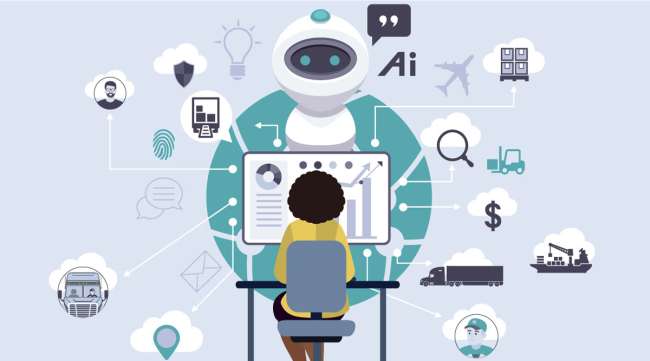
Artificial intelligence (AI) is swiftly becoming a game changer across transportation operations. However, success in deploying AI depends just as much on people as on the technology itself. Engaging employees, equipping teams with relevant skills, and fostering a supportive culture are essential ingredients in making AI work in the real world.
Change Management: The Cornerstone of Success
Transportation leaders emphasize that change management forms the backbone of any AI rollout. For instance, freight carriers have found that involving staff early on and continuously gathering feedback helps align AI applications with business goals. The focus isn’t necessarily on creating AI experts but on building practical skills enabling workers to use AI effectively and responsibly every day.
Skill Development and Data Literacy
The rise of AI creates new demands for data fluency. Teams must understand how to interpret data, design prompts, and grasp the basics of AI models to leverage these tools properly. Training efforts also cover quality assurance, governance, and security to ensure AI solutions are trustworthy and integrated seamlessly into existing workflows.
AI as a Team Member, Not a Replacement
One way to think about AI is like onboarding a new, tireless team member who still requires training on company-specific practices. This perspective helps reduce fears about job losses, as AI primarily takes over mundane and repetitive tasks, easing worker stress and potentially increasing employee retention.
| Benefits of AI in the Workplace | Examples |
|---|---|
| Task Automation | Offloading repetitive or high-stress tasks |
| Improved Work Environment | Reducing burnout and boosting morale |
| Customer Relationship Deepening | Employees have more time for personalized interaction |
Retaining experienced workers longer means better customer engagement, a win-win for logistics firms looking for reliability and quality in their services.
Integrating AI Without Overhauling Teams
The most effective AI implementations are those that blend naturally into how people already work, automating pain points one step at a time rather than seeking to revolutionize entire operations all at once. This steady approach allows companies to learn and adapt without overwhelming their teams.
Partnership Between AI and Human Insight
Despite AI’s abilities to process and summarize information, it falls short of generating novel ideas or replacing human judgment. Keeping humans in the loop avoids blindly automating existing inefficient processes and encourages fresh thinking through expert collaboration.
Personal interaction remains vital, especially in relationship-driven sectors like logistics. Workers still add value through direct communication, with AI serving as a tool to inform decisions rather than substitute connections.
Strategic Leadership Is Key
Management must carefully plan AI adoption, taking employee concerns seriously while emphasizing how AI complements rather than competes with human expertise. Clear communication about the benefits for workers — such as reducing repetitive tasks and enabling skill growth — fosters trust and smoother transitions.
Practical Steps for Successful AI Rollouts
- Start Small: Target one pain point and automate intensively before expanding.
- Involve Teams: Engage employees and solicit their feedback continuously.
- Training Focus: Build practical AI-related skills tailored to day-to-day roles.
- Cultural Shift: Promote an AI-first mindset where technology supports human effort.
- Maintain Oversight: Use human supervision to monitor AI decisions and outputs.
Table: Common AI Implementation Challenges and Solutions
| Utmaning | Lösning |
|---|---|
| Employee Resistance | Transparent communication and involvement |
| Brister i kompetens | Focused training programs and ongoing support |
| Over-automation | Phased, targeted approach to automation |
| Loss of Human Oversight | Maintain human review of AI outputs |
The Intersection With Logistics
In the world of transportation and freight forwarding, the human and AI collaboration model is especially relevant. Whether managing dispatch, haulage, or warehousing, AI can streamline processes like route optimization, shipment tracking, and inventory management. Yet, human expertise remains indispensable for problem-solving, client relationships, and strategic adjustments.
Platforms offering global cargo transport solutions, such as GetTransport.com, exemplify this balance by combining advanced technology with human-centered service. They provide cost-effective, reliable shipping options for diverse needs—from household moves and furniture transportation to vehicle delivery and bulky freight haulage—reinforcing the idea that technology works best when paired with knowledgeable people.
The Value of Real Experience in AI Deployments
Reading reviews or assessing feedback from others can only go so far in understanding how AI will impact specific operations. Actual hands-on experience reveals nuances that no report can fully capture. On GetTransport.com, users can book cargo transportation globally at competitive prices, empowering informed decisions without unnecessary risks or costs.
This transparency, combined with extensive service options, offers a level of convenience and affordability that aligns well with modern logistics demands, illustrating how AI and human expertise together improve the shipping and moving landscape.
Boka din resa hos GetTransport.com
Forecasting AI’s Impact on Global Logistics
While AI advancements may not drastically shake global logistics overnight, they represent an ongoing evolution that companies must monitor closely. Staying informed and proactive ensures businesses align with shifting industry standards and customer expectations. GetTransport.com embraces this dynamic, maintaining pace with technological and operational developments to keep cargo transport smooth and cost-effective.
Börja planera din nästa leverans och säkra din last med GetTransport.com.
Slutsats
Successfully implementing AI in transportation hinges on balancing technology with the human touch. Training teams, embracing change management, and integrating AI thoughtfully into existing workflows foster an environment where AI complements expertise instead of replacing it. This approach not only streamlines freight and shipment operations but also enhances job satisfaction and customer relationships.
By leveraging platforms like GetTransport.com—championing affordable, reliable, and versatile transportation solutions—logistics professionals can harness AI-enabled efficiencies while preserving the essential human element that drives the industry forward.