


 Svenska
  English (UK)
  Русский
  العربية
  日本語
日本語  한국어
한국어  Magyar
  Türkçe
  Español
  Čeština
  Português
  Ελληνικά
  Suomi
Suomi  Nederlands
  Română
  Italiano
  Français
  Polski
  Українська
  Deutsch
  简体中文
简体中文  Slovenčina
  What Changes Are Coming to IATA’s Live Animal Transport Rules in 2026 and Their Logistics Implications">

Stricter Oversight for Live Animal Transport in 2026
Starting from 2026, the International Air Transport Association (IATA) will roll out tightened regulations for the transport of live animals, focusing especially on closing persistent compliance gaps and clarifying container usage for wild and exotic species. These updates are set to raise the bar on the shipping standards for live animals worldwide, which is a big deal for anyone involved in this niche of air freight.
CR1 Containers Under the Microscope
One of the biggest headaches in live animal logistics has long been the misuse of CR1 containers. These specialized containers, designed primarily for wild and exotic species, are often not used correctly. The main issue? Animals frequently end up in containers that don’t fit their specific needs, leading to welfare risks and non-compliance. Authorities have observed a mismatch between the container specifications and the species transported, causing operational hiccups and, frankly, avoidable stress for the animals.
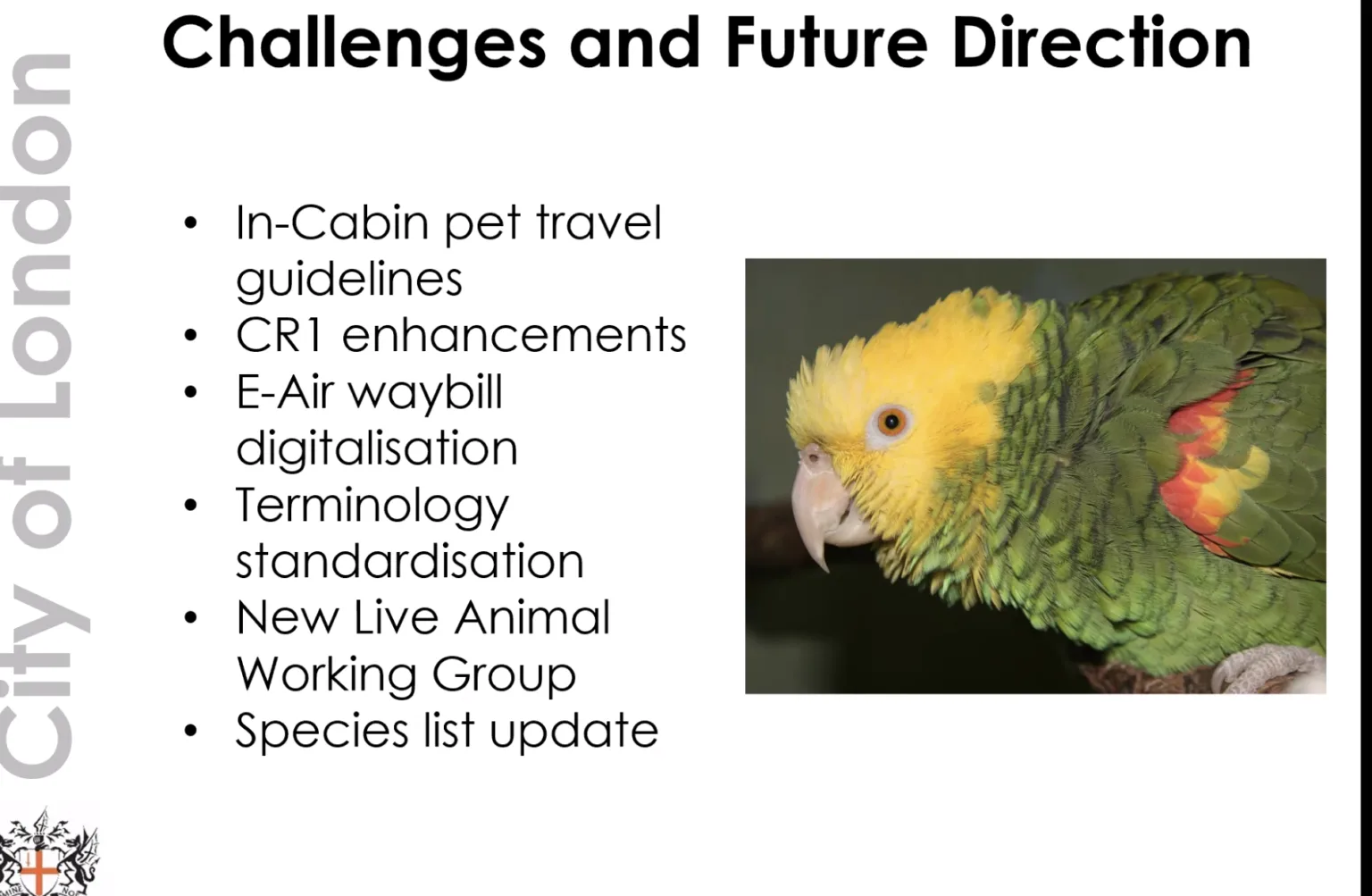
To tackle this, IATA’s upcoming 52nd edition of the Live Animals Regulations (LAR) comes with clearer visual guides and symbols. These additions aim to highlight when rigid plastic containers are suitable and to spell out species-specific container requirements in no uncertain terms. Simply put, no more square pegs in round holes.
Key Updates to Expect in 2026
The new rules cover several important areas, including:
- Enhanced guidelines specifically for CR1 containers, ensuring the right fit for each species.
- Detailed requirements on stocking densities and ventilation for vulnerable live cargo such as day-old chicks.
- Set standards for the dimensions and handling of brachycephalic breeds, acknowledging their unique respiratory needs.
- Introduction of new rules governing the transport of seafood for human consumption, reflecting the growing sector of live aquatic freight.
These updates are not just regulatory box-ticking; they reflect real-world challenges seen at borders and during air freight operations. The move intends to bring people’s perceptions in line with reality—making sure what handlers think they’re doing matches what’s actually happening on the tarmac.
Digitalisation on the Horizon
While live animal shipments have traditionally depended on paper documentation, conversations around digitizing compliance processes are gaining traction. Efforts are ongoing to integrate electronic air waybill systems and refine digital tracking, aiming to reduce paperwork clutter and boost transparency in shipment handling.
Additionally, the newly founded Live Animals Working Group within IATA is diligently working on refining species lists, updating terminology, and strengthening compliance standards for future iterations of the regulations.
Varför Dessa Förändringar Spelar Roll för Logistik
Live animal transportation isn’t just about a cage on a plane—it’s a complex dance involving welfare standards, international regulations, and logistics precision. The tightening of these rules means freight forwarders, airlines, and ground handlers will need to up their game with stricter container checks, better documentation, and heightened awareness of species-specific needs.
| Aspekt | Previous Practice | 2026 Update |
|---|---|---|
| CR1 Containers | General use with ambiguous species fit | Strict species-specific compliance and new visual guides |
| Stocking Density | Varied, sometimes overcrowded | Specific limits for day-old chicks with ventilation standards |
| Brachycephalic Breeds | No formal size constraints | Defined size and care requirements to reduce stress |
| Seafood Transport | Less regulated, inconsistent methods | New dedicated rules to ensure safe transport for consumption |
Implications for Supply Chains and Freight Forwarding
For logistics providers and freight forwarders, staying on the right side of these regulations is non-negotiable. Any slip-up could mean fines, shipment delays, or worse—damage to the animals and reputation alike. Beyond compliance, this pushes the entire ecosystem towards smoother, more reliable handling of live cargo. It’s a win for animal welfare and operational efficiency alike, which is music to a logistics manager’s ears.
The Collaborative Nature of Regulation Evolution
These regulatory tweaks haven’t come out of thin air. They spring from ongoing collaboration among operators, authorities, animal care experts, and consultants like Tristan Bradfield, who played a big role in shaping the CEIV Live Animals Logistics program. It’s a reminder that logistics standards evolve dynamically, influenced by ground realities and stakeholder feedback.
Making It Work with GetTransport.com
Transporting animals or any delicate cargo through global routes is never a walk in the park. Platforms like GetTransport.com offer versatile, affordable solutions for a broad range of transport needs—whether you’re moving bulky furniture, vehicles, or live cargo that demands extra care. The ability to arrange shipments worldwide with clear, transparent options helps reduce headaches in logistics planning, and the platform’s reach makes it a dependable partner for international freight and relocation demands.
Final Thoughts: Why Personal Experience Trumps All
All the rules and regulations, star-studded reviews, and expert advice out there can’t substitute for firsthand experience. On GetTransport.com, you tap into the best prices and a vast selection of transport services tailored to your needs. This means you get convenience, affordability, and transparency all rolled into one smooth experience—allowing you to make informed decisions without burning a hole in your pocket or ending up with disappointment.
Boka din resa med GetTransport.com and navigate your freight and logistics challenges like a pro.
The Road Ahead: Logistics and Live Animal Transport Regulations
While these 2026 updates may not shake the global logistics industry to its core, they certainly sharpen the focus on live animal transport—a critical, specialized segment of air freight. For platforms and services like GetTransport.com, keeping pace with shifting regulations means better preparedness and improved service quality for clients worldwide. This progressive approach aligns perfectly with the aim to streamline cargo, shipment compliance, and delivery solutions in an increasingly regulated world.
Sammanfattning
The IATA’s 2026 Live Animals Regulations bring much-needed clarity and control to the logistics of transporting live animals. Key changes include enhanced container standards, specific rules for brachycephalic breeds, detailed density and ventilation specs for day-old chicks, and new seafood transport regulations. These updates represent a shift from a loosely applied reference guide toward rigorous, globally enforced compliance standards, reflecting real-world challenges and ongoing stakeholder collaboration.
For freight, shipment, and logistics professionals, these developments signal a call to action: improve operational practices, embrace digital compliance, and prioritize animal welfare in international forwarding. Integrated platforms like GetTransport.com can help navigate these complexities with affordable, global transport options for everything from bulky cargo to specialized shipments. Ultimately, this evolution in regulation not only benefits the animals but enhances reliability and transparency within the worldwide logistics network.