


 Svenska
  English (UK)
  Русский
  العربية
  日本語
日本語  한국어
한국어  Magyar
  Türkçe
  Español
  Čeština
  Português
  Ελληνικά
  Suomi
Suomi  Nederlands
  Română
  Italiano
  Français
  Polski
  Українська
  Deutsch
  简体中文
简体中文  Slovenčina
 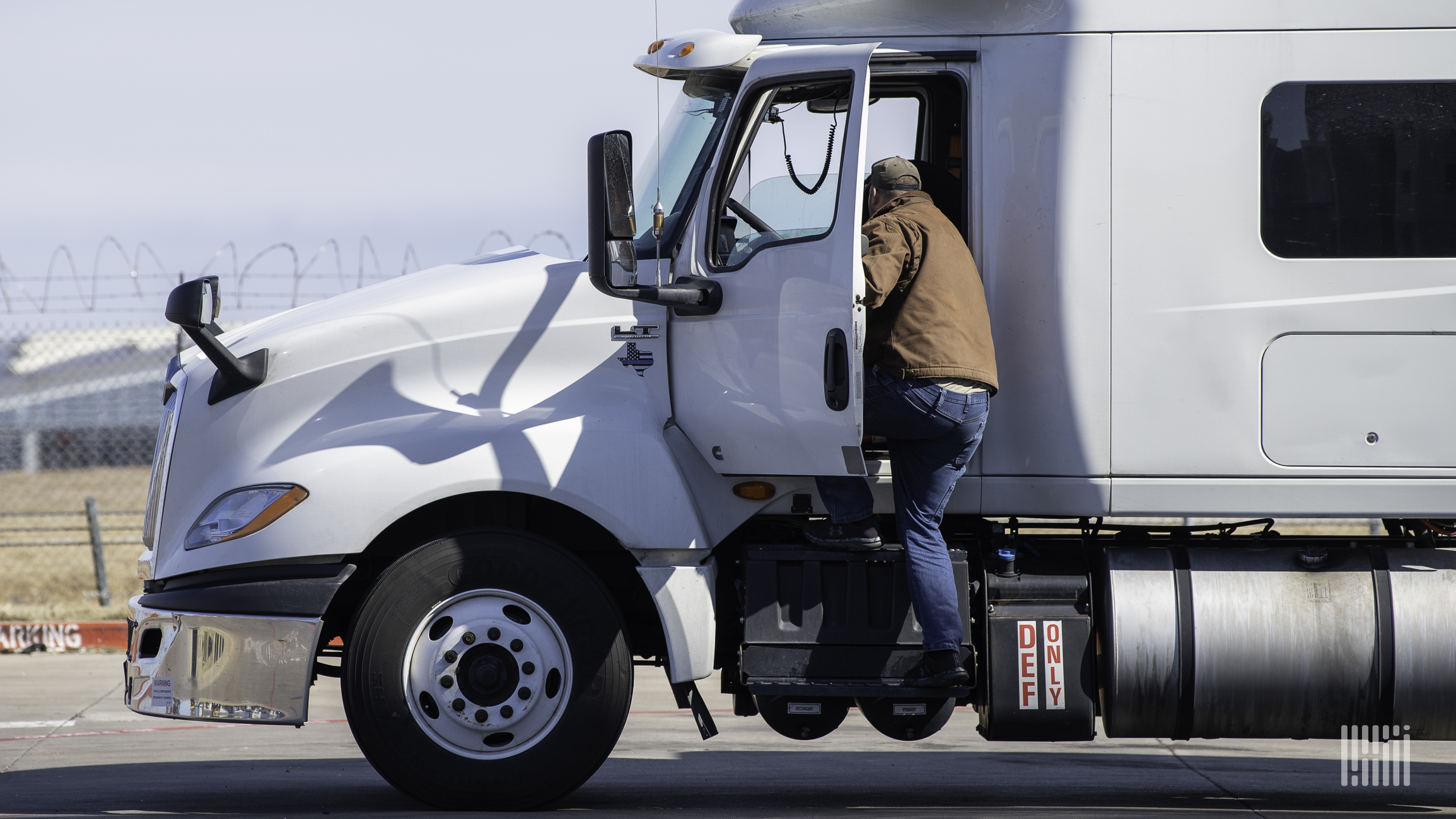 Kaliforniens körkortskontroller för yrkesförare får bredare inverkan på fraktverksamheten och transportörers ansvar">

Rising National Enforcement on California’s CDL Licenses
The recent cancellation of over 17,000 non-domiciled commercial driver’s licenses (CDLs) in California has sent ripples far beyond the Golden State’s borders. This development is poised to reshape how motor carriers nationwide approach carrier liability och freight capacity. Industry experts are urging carriers to keep a close eye on the evolving regulatory landscape as this enforcement is no mere local skirmish—it hints at heightened federal scrutiny across various states.
The Context: What Triggered the Crackdown?
At the heart of this controversy lies conflicting views between California’s administration and the U.S. Department of Transportation (DOT) about the legality of the issued CDLs. California claims it lawfully distributed these licenses but was forced to revoke them to comply with new federal non-domiciled CDL policies introduced in September. Meanwhile, the DOT insists California’s actions violated original federal rules, underpinning the emergency regulations aimed at tightening CDL licensing controls.
Impact on Motor Carriers: What Should They Watch Out For?
This regulatory tussle is more than political back-and-forth; it’s a serious warning for motor carriers. Liability exposure grows when hiring drivers with non-domiciled CDLs, especially if these licenses might be revoked retroactively. The plug being pulled on thousands of drivers directly affects freight capacity, notably in markets like California where these licenses constitute a significant percentage of the driver pool.
Why This Is a National Issue
The root of the problem isn’t just California—it’s the patchwork system of CDL licensing spread across fifty states, each with its own political and operational quirks. This fragmentation complicates federal oversight efforts and increases the chance of non-compliance slipping through the cracks. Experts expect other states with surges in non-domiciled CDLs, such as Illinois and Washington, to face similar crackdowns. This paints a broader picture of an industry-wide shake-up.
Freight Capacity Disruptions and Economic Implications
The CDL revocations won’t just ruffle feathers for the carriers—they strike at the core of freight movement capacity. In California alone, these license cancellations account for more than 9% of the for-hire carrier market. This reduction in driver availability could tighten freight capacity, leading to increased shipping rates and potential delays, unless challenged legally or alternative solutions are rapidly found.
Table: Potential Impacts of CDL License Revocations on Freight Logistics
| Aspekt | Potential Effect |
|---|---|
| Förartillgänglighet | Notable decrease in qualified drivers leading to capacity shortages |
| Freight Rates | Likely upward pressure due to tighter supply of carriers |
| Carrier Liability | Increased risk exposure if hiring non-compliant drivers |
| Operativa justeringar | Need for carriers to reassess hiring and compliance strategies |
| Legal Challenges | Potential for litigation affecting shipment scheduling and contracts |
Branschens svar och framtidsutsikter
With DOT enforcement expected to roll out in other regions, motor carriers nationwide are on notice. This wave of scrutiny could lead to a tightening of regulations all along the freight supply chain, forcing companies to invest more in compliance verification and driver monitoring. It’s not just the carriers who feel the pinch—shippers could experience fluctuations in freight reliability and cost.
Linking Enforcement Changes to Logistics Strategies
From a logistics perspective, these developments spotlight just how vulnerable freight networks are to regulatory shifts. Companies involved in cargo transport, whether they’re moving parcels, pallets, or bulky goods, must factor in these risks when planning deliveries and distribution routes. Strategic logistics management now means blending regulatory awareness with operational flexibility to safeguard shipments against sudden disruptions.
GetTransport.com’s Role in Facilitating Reliable Freight Movement
Amid this shifting landscape, platforms like GetTransport.com stand out by offering affordable, flexible transportation solutions globally. Whether relocating offices, shipping large items, or managing vehicle transport, GetTransport.com connects businesses and individuals with reliable movers and carriers. This versatility is crucial when market uncertainties challenge traditional freight pathways.
Why Personal Experience Outweighs Reviews in Navigating These Changes
While industry commentary and expert reviews provide valuable insight, nothing beats gaining firsthand knowledge of how regulations affect your logistics operations. On GetTransport.com, customers can tap into a wide selection of carriers offering competitive rates worldwide, helping avoid unexpected fees or service disappointments. This transparency and convenience empower users to make well-informed decisions tailored to their specific shipment needs.
Book your ride now and discover how GetTransport.com simplifies complex freight challenges. GetTransport.com
Looking Ahead: The Logistics Impact of CDL Enforcement
Although the CDL license crackdown may not send seismic waves through the entire global logistics network, it reflects a trend toward stricter oversight that every freight operator should monitor closely. For companies moving goods across states, the message is clear: stay compliant or risk facing serious disruptions and liability claims. As GetTransport.com aligns with this need, the platform remains committed to supporting customers in navigating a rapidly evolving transport environment.
Summary: Navigating CDL Enforcement and Protecting Freight Capacity
The California crackdown on non-domiciled CDLs signals a broader enforcement trend that will have direct consequences on carrier liability and freight capacity. With thousands of drivers losing their licenses, the freight industry faces tighter driver pools and potential cost pressures. This challenge underscores the importance of adaptive logistics strategies that prioritize compliance and operational resilience. Platforms like GetTransport.com bring vital support by offering reliable and cost-effective shipping options, helping freight managers, movers, and shippers keep their goods moving smoothly and on schedule in this era of heightened regulatory vigilance.