


 Svenska
  English (UK)
  Русский
  العربية
  日本語
日本語  한국어
한국어  Magyar
  Türkçe
  Español
  Čeština
  Português
  Ελληνικά
  Suomi
Suomi  Nederlands
  Română
  Italiano
  Français
  Polski
  Українська
  Deutsch
  简体中文
简体中文  Slovenčina
 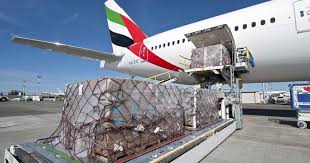 Inverkan av begränsat lastrumsutrymme i passagerarflygplan på den inhemska flygfraktens volatilitet">

The Tight Link Between Passenger Fleet Availability and Domestic Cargo Capacity
Domestic air cargo is riding a rollercoaster these days, largely because belly capacity—the space for freight in passenger aircraft—is squeezed tighter than ever. This matter is especially pronounced with IndiGo, a dominant player in the Indian domestic air market. Any hiccup in their passenger fleet operations ripples directly through the cargo segment, causing unexpected volatility that can last well into the future.
When IndiGo faces challenges like aircraft groundings or delays in inducting new planes, even a slight dip in their available passenger flights can cause significant glitches in cargo availability. That’s because Indian domestic cargo is not only tied closely to passenger flights but also lacks sufficient backup from dedicated freighter aircraft. The belly space on passenger planes acts as the primary channel for moving goods swiftly across the country.
Why Passenger-Dependent Cargo Is Vulnerable
The domestic air cargo market’s structure leans heavily on passenger flights as carriers of freight. Dedicated cargo planes just don’t have the numbers or reach, especially for busy main routes or sectors needing timely delivery. Other domestic carriers lack the belly-hold capacity to take up the slack when IndiGo’s operations shrink, creating a bottleneck with fewer options for shippers.
The Domino Effect on Cargo Movement and Logistics
This imbalance fuels volatility in cargo flow. What does that mean in everyday terms? Well, cargo movement becomes erratic, networks require spontaneous, last-minute rearrangements, and overall service reliability takes a hit. Cargo agents and freight forwarders have to grapple with fluctuating costs, squeezed cut-off times, and uncertainties about whether shipments will get onto flights as planned.
How These Challenges Play Out in Logistics and Supply Chains
Imagine relying on timely air cargo deliveries for your business — whether that’s moving critical components to a factory or shipping emergency medical supplies. When belly capacity is limited, these vital shipments might face delays or rerouting, complicating supply chain management at every turn. This unpredictability can drive costs up and force logistics planners to stay on their toes, scrambling to adjust routes and timing.
Table: Key Impacts of Limited Belly Capacity on Domestic Cargo Logistics
| Aspekt | Beskrivning | Effekt på logistik |
|---|---|---|
| Capacity Constraints | Reduced available space in passenger aircraft for cargo | Limits volume of freight that can be moved quickly by air |
| Service Volatility | Fluctuating availability of belly space | Requires frequent route adjustments and ad-hoc planning |
| Cost Pressure | Scarce cargo space leads to higher freight charges | Increases operating expenses for shippers and carriers |
| Timing Challenges | Tighter cut-off times for cargo acceptance | Reduces flexibility in shipment scheduling |
| Reliability Issues | Inconsistent cargo lift opportunities | Affects trust in air transport, pushing demand for alternatives |
Strategies to Stabilize Domestic Air Cargo Capacity
Addressing this challenge requires a multi-pronged approach. Firstly, expanding dedicated freighter operations can provide much-needed relief, especially for time-sensitive and heavy-volume routes. Investing in new freighter aircraft induction or converting existing planes offers an alternative supply line to cargo-hungry markets.
Secondly, industry-wide long-term capacity planning is crucial. Airlines and policymakers need to coordinate to forecast demand and fleet availability realistically — avoiding last-minute surprises that disrupt cargo flows. Lastly, supportive policies from government bodies can pave the way for smoother infrastructure development and incentivize investments in airfreight capabilities.
List: Potential Measures to Mitigate Belly Capacity Volatility
- Ramp up dedicated cargo aircraft deployment on key domestic routes
- Improve maintenance and induction schedules to minimize aircraft downtime
- Enhance data sharing for accurate cargo capacity forecasting
- Develop incentives and regulations favoring balanced passenger-cargo operations
- Promote multimodal logistics options to reduce sole reliance on air freight
The Invisible Hand of Passenger Airlines in Cargo Logistics
Passenger airlines in India, especially large carriers like IndiGo, carry more than just passengers. Their belly space is a lifeline for trucking time-sensitive shipments and smaller parcel deliveries across the country. When these airlines operate without hiccups, cargo moves smoothly; when they falter, the ripple effect on cargo visibility and timelines can cause major headaches.
Looking beyond India, this dynamic echoes globally, where air cargo economics often hinge on the backbone provided by passenger flights. It’s a dance of balancing slot availability, operational efficiency, and cargo demand—a juggling act logistics providers must master worldwide.
Bringing It All Together: What Shippers and Logistics Players Should Keep in Mind
For shippers and freight forwarders navigating this volatile terrain, the takeaway is clear: adaptability is key. Shipping plans should accommodate the potential shakiness in cargo belly availability. Strategic use of partnerships, and diversifying modes of transport—supplementing air with road, rail, and sea logistics—can ease pressure points.
Kom Framåt med GetTransport.com
Platforms like GetTransport.com are stepping up to solve these challenges by offering flexible, affordable, and global cargo transportation solutions—perfect for navigating the unpredictable nature of domestic and international air cargo markets. Whether you’re planning a house move, transporting large items like vehicles, or managing cargo deliveries, GetTransport.com connects you with reliable options at the best prices worldwide—taking the guesswork out of logistics and making your shipment experience smoother than ever.
Why Firsthand Experience Beats Reviews Every Time
When it comes down to it, no glowing review can replace the clarity you gain from your own experience. The fluctuations in cargo belly capacity remind us to expect the unexpected in logistics. Thanks to platforms like GetTransport.com, you can order your cargo transport confidently, backed by transparency, convenience, and competitive pricing. With options spanning bulky freight to parcels and everything in between, it’s never been easier to find reliable shipment solutions tailored to your needs. Book now and get the best offers at GetTransport.com.
Looking Ahead: What This Means for the Logistics Landscape
While the ripple effects of limited belly capacity may not shake global logistics markets at the core, they certainly highlight the fragility embedded in air cargo ecosystems that lean heavily on passenger flights. Staying alert to such trends is vital for players at every level—from airlines to logistics providers—and underscores the importance of flexible, multi-channel supply strategies.
At GetTransport.com, keeping pace with these evolving dynamics is part of the mission—to provide shippers worldwide with seamless, cost-effective, and adaptable cargo transport options that weather the ups and downs of the industry. Start planning your next delivery and secure your cargo with GetTransport.com.
Slutsats
Limited belly capacity on passenger aircraft significantly contributes to volatility in domestic air cargo movement, particularly evident in markets dominated by carriers such as IndiGo. The shortage of dedicated freighter aircraft intensifies these capacity constraints, impacting service reliability, cost, and operational planning. For logistics and shippers, navigating this landscape means embracing flexibility, long-term strategies, and leveraging platforms like GetTransport.com that provide a wide realm of cargo transport solutions—from small parcels to bulky shipments—ensuring your delivery needs are met efficiently and affordably, both domestically and internationally.