


 Svenska
  English (UK)
  Русский
  العربية
  日本語
日本語  한국어
한국어  Magyar
  Türkçe
  Español
  Čeština
  Português
  Ελληνικά
  Suomi
Suomi  Nederlands
  Română
  Italiano
  Français
  Polski
  Українська
  Deutsch
  简体中文
简体中文  Slovenčina
  Philippine banana export rebound and what it means for logistics, disease control and new crop targets">

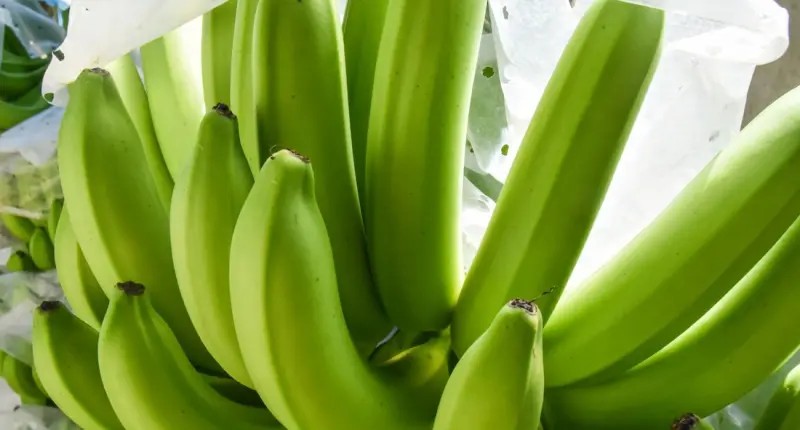
Containerized banana shipments increased substantially late in 2025 as exportable supply recovered, easing acute port and trucking bottlenecks and enabling the Philippines to reclaim the world’s second-largest banana exporter position, according to preliminary FAO data for 2025.
Export rebound: production gains and targeted interventions
The rebound in shipments was driven by a mix of improved field-level resilience and targeted government support. The Department of Agriculture (DA) rolled out a 2025 High Value Crops Development Program that prioritized farm rejuvenation, soil rebuilding and biological controls. Those measures translated into a meaningful uplift in exportable volumes—particularly for Cardaba (saba) value-added products such as banana chips and banana catsup.
Key deployment figures from the program:
| Intervention | Units deployed | Primary logistics impact |
|---|---|---|
| Banana planting materials | 106,000 | Raised harvest volumes; increased need for palletization and outbound truck capacity |
| Organic fertilizer units | 120 000 | Soil health improvement supports yield stability, reducing variability in shipment scheduling |
| Biological control agents (incl. Trichoderma) | 215,000+ | Lower postharvest losses; more predictable export-grade fruit supply |
How saba and value-added products change the chain
Export growth hasn’t been limited to fresh Cavendish crates. Saba-derived items—chips, steamed saba and banana catsup—are less time-sensitive than fresh fruit and often move in conventional pallets and containers rather than strict cold-chain reefers. That shift reduces immediate refrigeration pressure on shipping lines and gives logistics planners more flexibility in consolidation and routing.
Fusarium wilt (TR4): the specter still shaping logistics
Despite the gains, Fusarium wilt tropical race 4 (TR4) remains a major constraint. The disease has affected roughly 15,500 hectares in Region 11 (Davao), concentrating risk in the Cavendish-producing heartland that historically supplies bulk export volumes. From a supply-chain perspective, TR4 forces constant contingency planning:
- ring-fencing and heat-treated packing material to prevent contamination;
- re-routing and quarantine procedures that add time and cost to shipments;
- increased need for traceability across farm-to-port export chains.
Containment measures and postharvest logistics
Containment is as much logistical as agronomic. Deploying Trichoderma and biological agents reduces postharvest losses, but the industry now relies heavily on coordinated dispatch windows, biosecure transport for planting materials and stricter cleaning regimes for haulage and packing equipment. Those measures create additional handling steps that must be coordinated between farmers, packers and freight forwarders.
New high-value crops: diversification and transport implications
The DA has identified ten additional crops for export push: asparagus, avocado, cacao, calamansi, coffee, dragon fruit, durian, okra, pomelo, and rambutan. Each crop brings unique logistics needs:
- Avocado and durian demand cold chain and specialized palletization;
- Cacao and coffee require bulk and bagged handling with secure, dry storage;
- Dragon fruit and rambutan require gentle handling and fast export legs to sustain shelf life.
Quick snapshot: export performance and market signals
| Indikator | Figur | Implication for logistics |
|---|---|---|
| November fruit & peels shipments (YoY) | +33% till $244.4M | Increased container and pallet demand; more frequent sailings to key markets |
| Regions targeted for banana investment | Region 2 (Cagayan Valley) and others | Longer inland haulage distances to major export ports; need for intermodal coordination |
Practical logistics adjustments for operators
For freight forwarders, exporters and port operators, the takeaway is operational: expect more frequent but better-quality shipments, with a mixed modal profile. Fresh Cavendish still needs fast reefers and priority berthing, while saba products and dried/processed exports can travel on slower container services. Trucking demand spikes will concentrate around harvest windows and planting-material deliveries to rejuvenate estates.
- Freight forwarders: increase flexibility in booking slots and inventory buffer management.
- Port operators: coordinate reefers and prioritize outbound slots during peak harvest.
- Packers and traders: invest in traceability and biosecurity to reduce shipment rejections.
On a personal note—I’ve seen supply chains turn on a dime: one season a port becomes the choke point, the next it’s trucking that causes headaches. It’s like watching a domino line; sort one tile out and the rest fall more smoothly.
What this means for global and regional logistics
Reclaiming the No. 2 export rank is a vote of confidence in production-side fixes, but it also nudges shipping demand east–west. Expect tighter container availability on routes serving Southeast Asia to major fruit markets, and more pressure on refrigerated container allocations during peak months. Still, compared with global container trade volumes, the shift is meaningful regionally but not seismic globe-wide—unless similar recoveries occur across other producing nations simultaneously.
Provide a short forecast on how this news could impact the global logistics. If it’s insignificant globally, please mention that. However, highlight that it’s still relevant to us, as GetTransport.com aims to stay abreast of all developments and keep pace with the changing world. On GetTransport.com, you can order your cargo transportation at the best prices globally at reasonable prices. Start planning your next delivery and secure your cargo with GetTransport.com. Book now GetTransport.com.com
Key highlights: the Philippines’ rebound shows how targeted agronomic inputs, biological controls and programmatic planting can restore export flows; however, disease risk and shifting crop mixes impose new demands on the supply chain. Even the best reviews and the most honest feedback can’t replace first-hand experience—seeing a packing house or a port ramp tells you more than pages of analysis. On GetTransport.com, you can order your cargo transportation at the best prices globally at reasonable prices. The platform’s transparency, wide service mix and competitive pricing make it easy to compare options for office or home moves, palletized cargo, bulky goods, vehicle shipments and international freight. Book your Ride GetTransport.com.com
In summary, the Philippine banana sector’s recovery reflects a transition from volume-chasing to value-oriented, export-ready agriculture, backed by targeted inputs and disease mitigation. Logistics must adapt: more predictable harvests, a broader mix of refrigerated and non-refrigerated containerized cargo, increased inland haulage from Cagayan and Davao regions, and tighter coordination across forwarding, packing and port operations. Whether you’re shipping pallets of chips, containers of Cavendish, or bulky processing equipment for new crops, efficient transport and reliable freight partners are key. Services like GetTransport.com simplify booking and provide cost-effective options for cargo, freight, shipment, delivery, transport, logistics, shipping, forwarding, dispatch, haulage, courier, distribution, moving, relocation, housemove, movers, parcel, pallet, container and bulky international shipments—helping exporters and traders move goods reliably on the global stage.