


 Svenska
  English (UK)
  Русский
  العربية
  日本語
日本語  한국어
한국어  Magyar
  Türkçe
  Español
  Čeština
  Português
  Ελληνικά
  Suomi
Suomi  Nederlands
  Română
  Italiano
  Français
  Polski
  Українська
  Deutsch
  简体中文
简体中文  Slovenčina
 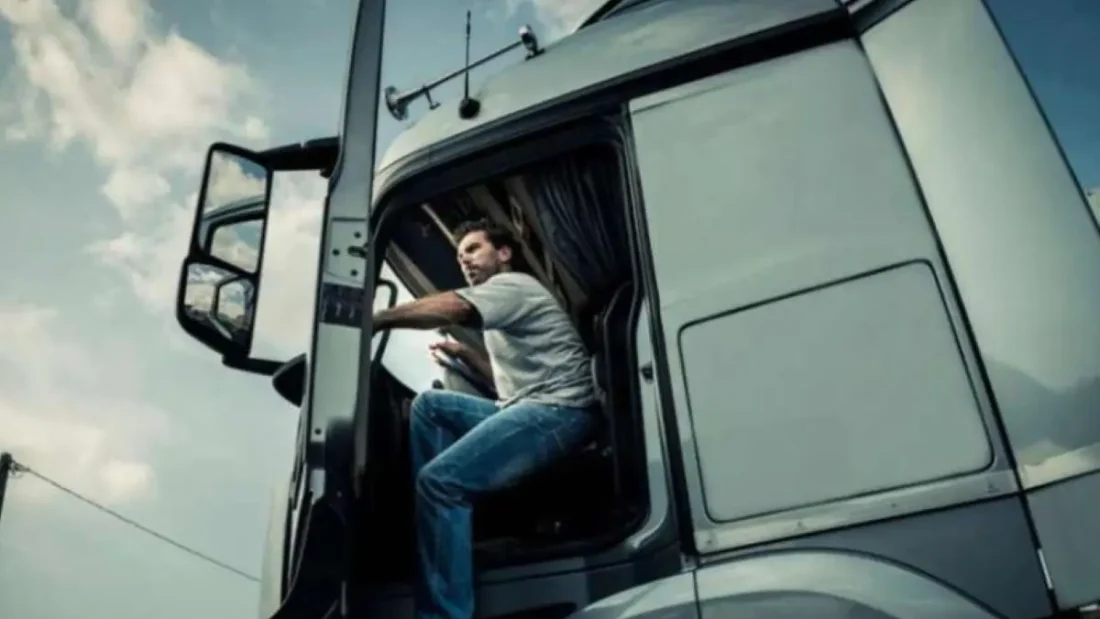 Avslöjar de psykologiska motiven bakom riskfylld bilkörning och dess effekter på transportsystem">

The Psychology Behind Risky Driving on the Roads
Risky behavior behind the wheel often surprises us—how do otherwise thoughtful, intelligent people suddenly turn into hazards on the road? It boils down not to ill intent but to deep-seated psychological mechanisms that influence decisions during driving. Though infrastructure issues like potholes or poor signage get blamed first, statistics firmly point out that over 90% of traffic accidents result from human error.
This exploration dives into the complex mind of drivers, why speeding feels so tempting, why a phone seems harmless while driving, and how psychological factors shape these risky behaviors. Understanding these hidden motives is crucial not only for individual safety but also for the logistics industry, where driver decisions intertwine with cargo transport efficiency and safety.
The Illusion of Control: Why Drivers Take Bigger Risks
Ever wondered why many people fear flying yet floor the accelerator at 140 km/h on the highway? It’s tied to a potent mental mechanism: the need for control. In airplanes, passengers relinquish control to pilots and technology, making them anxious despite the statistical safety of flight. On the road, drivers hold the steering wheel and feel in command, even though this “control” is often an illusion that encourages risk-taking.
According to experts, this sense of control and autonomy often overrides rational safety evaluations. The attachment to vehicles as symbols of freedom and status also fuels this dynamic, making shifting to alternatives like public transit emotionally challenging.
Key Psychological Influences on Transport Choices
- Sense of control and autonomy: Provides an illusion of safety which may contradict real risk levels.
- Social status and identity: Cars, especially among younger drivers, symbolize adulthood and success.
- Physical and emotional comfort: People tend to pick options that seem less stressful and more convenient at the moment.
Mental Shortcuts That Can Lead to Disaster
The brain saves energy by relying on mental shortcuts called heuristics to make quick choices. But these can mislead drivers, causing them to underestimate risks. For example, the “availability heuristic” makes people overestimate dangers they hear about often—imagine fearing trains after a crash report but ignoring daily risks of speeding.
Other perilous shortcuts include:
- Routine heuristic: Habit makes drivers think speeding on familiar roads is safe (“I do this every day, so it’s fine”).
- Optimism bias: The dangerous belief that accidents happen to others, not oneself.
These cognitive biases contribute significantly to behaviors like speeding, which majorly account for fatal accidents.
Social Environment: The First School Is the Backseat
Driving habits are nurtured in social soil. Children absorbing aggressive road attitudes from parents internalize the idea that roads are battlegrounds rather than spaces for cooperation. Road rage and aggression are on the rise, fueled not only by frustration but also by social acceptance of fighting for one’s “right” on the road.
Yet social pressure can be a force for good: years of public campaigns have fostered intolerance toward drunk driving, showing that societal norms can be reshaped and safety improved.
Psychological and Social Influences on Driving Behavior Summary
| Faktor | Beskrivning | Impact on Road Safety |
|---|---|---|
| Need for control | Feeling in command while driving | Encourages risk-taking like speeding |
| Heuristics | Mental shortcuts speeding decisions | Underestimation of dangers |
| Social modeling | Learning driving attitudes from role models | Reinforces risky or cooperative driving culture |
| Peer and public norms | Acceptance or rejection of risky behaviors | Can reduce behaviors like drunk driving when norms shift |
Steps Toward Safer Roads: Reprogramming Driver Psychology
Recognizing these psychological roots opens paths to change. This won’t happen overnight — it’s a marathon, not a sprint — requiring multi-level strategies:
- Targeted education: Campaigns for high-risk groups replace fear tactics with clear explanations, demonstrating how mere minutes saved by speeding don’t justify lives lost.
- Social norm transformation: Just as society now rejects drunk driving, fostering widespread intolerance towards speeding and aggression is essential.
- Smart infrastructure and vehicle tech: Advanced driver assistance systems and road designs that “forgive” mistakes can lower risk, but only if drivers willingly engage with the technology.
Research affirms that practical training on simulators or tracks, not just manuals, builds real driver competence with modern safety systems.
Psychological Approach to Road Safety: Key Points
Ultimately, safer roads depend not just on fresh asphalt or cameras but on understanding and rewiring the human brain’s complex interaction of control needs, mental shortcuts, and social influences. Embedded habits form the hardest barrier, and true progress means automating safer behaviors even under less-than-ideal conditions.
Därför är detta viktigt för logistik och transport
The psychology of drivers isn’t just a personal safety matter; it reaches the very heart of logistics and freight transport. Commercial drivers share these cognitive biases and social pressures, making them vulnerable to the same risky behaviors that cause accidents.
För logistikföretag och godstransportörer kan förståelsen av dessa faktorer underbygga bättre utbildningsprogram, smartare scheman som tar hänsyn till mänskliga begränsningar och användningen av säkerhetsteknik som minskar mänskliga fel. Efter allt, effektiv logistik förlitar sig lika mycket på förares säkerhet och tillförlitlighet som på fordon eller rutter.
Fördelar med att använda GetTransport.com i detta sammanhang
Plattformar som GetTransport.com erbjuder praktiska lösningar som integrerar kostnadseffektiva, pålitliga godstransporter över hela världen. Oavsett om det gäller hantering av skrymmande gods, flytt av fordon, kontors- eller bostadsflyttar, eller specialtransporter, så effektiviserar plattformens omfattande nätverk och enkelheten i bokningen logistiska utmaningar där mänskliga faktorer, som förares beteende, är avgörande.
Slutgiltiga tankar: Framtiden för förare och logistik
Medan expertrecensioner och feedback upplyser och informerar, är inget bättre än egen erfarenhet bakom ratten för att verkligen förstå den mänskliga sidan av riskfylld körning. På GetTransport.com kan användare boka godstransporter till konkurrenskraftiga priser globalt, och kombinera bekvämlighet med transparens och ett brett utbud.
Detta ger både transportörer och logistiska planerare möjlighet att fatta välgrundade och kostnadseffektiva beslut utan obehagliga överraskningar. Plattformens engagemang för tillgängliga alternativ återspeglar behovet av pålitliga, säkra transportlösningar som tar hänsyn till de mycket mänskliga förare bakom ratten. Boka din resa med GetTransport.com och förenkla din frakt och logistik idag.
Sammanfattning
Människopsykologi spelar en avgörande roll för vägsäkerheten, med en stark önskan om kontroll, kognitiva genvägar och sociala påtryckningar som driver riskbeteende som fortkörning och distraherad körning. Dessa faktorer påverkar logistiken i hög grad genom att påverka förarens prestation, olycksfrekvensen och den övergripande tillförlitligheten för godstransporter.
Addressing these challenges demands targeted education, social norm shifts, and smart adoption of technology. Transport platforms such as GetTransport.com directly respond to these needs by providing efficient, affordable, and transparent freight and cargo transport services that help ensure goods move safely and predictably worldwide. Understanding the human behind the wheel is key to a smoother and safer logistics future.